




Top-rated drywall pros.

Get matched with top drywall pros in Bayfield, CO

Enter your zip and get matched with up to 5 pros

Need a pro for your drywall service project in Bayfield, CO?

Select your specific project to find the pro for you.

TRUSTED BY BAYFIELD, CO HOMEOWNERS

  • Average homeowner rating star icon4.9
    Average homeowner rating
  • Verified reviews icon11
    Verified drywall services reviews

Find Drywall pros in Bayfield

Avatar for Hunt's Home Improvements LLC
Hunt's Home Improvements LLC
5.0(
28
)
Drywall - InstallDrywall - RepairDrywall - Repair - For Business

Serving Bayfield, CO and surrounding areas

Approved

In business since 2021

Free estimates

Warranties offered

"Colt is courteous and a good communicator. He is confident that he can make things work and he is capable enough to do so! He's a good guy to have in your home. I'll definitely hire him again!"
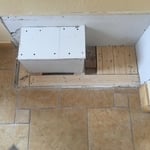
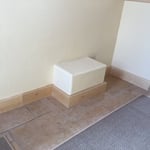
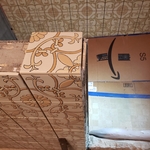
Red Rock Tile Tie-In
Tile Tie-in
Tile accent piece
Red Rock Tile Tie-In
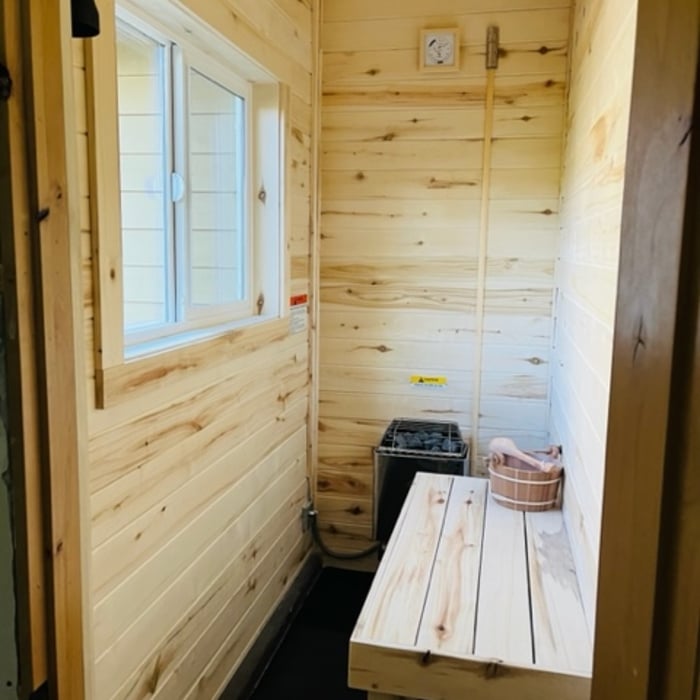
Sauna Build

+1

Response time5 hrs
Response rate95%
2 neighbors recently requested a quote
John The Handyman
4.8(
10
)
Drywall - Repair

Serving Bayfield, CO and surrounding areas

Approved

In business since 2019

Small jobs welcome

Credit card accepted

"John is very friendly and helpful! He taught me what he was doing, and hung the shelf up exactly as I wanted. He called me immediately, and came over promptly within a couple of hours for my small job -- something I had been thinking about for weeks. I'm so glad to have it done and that Angi's list connected us! Definitely would recommend him to a friend."
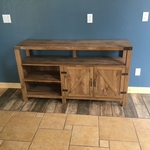
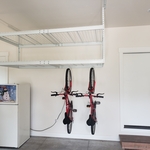
hanging storage unit
Cat bed
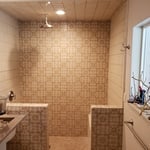
shower
shower
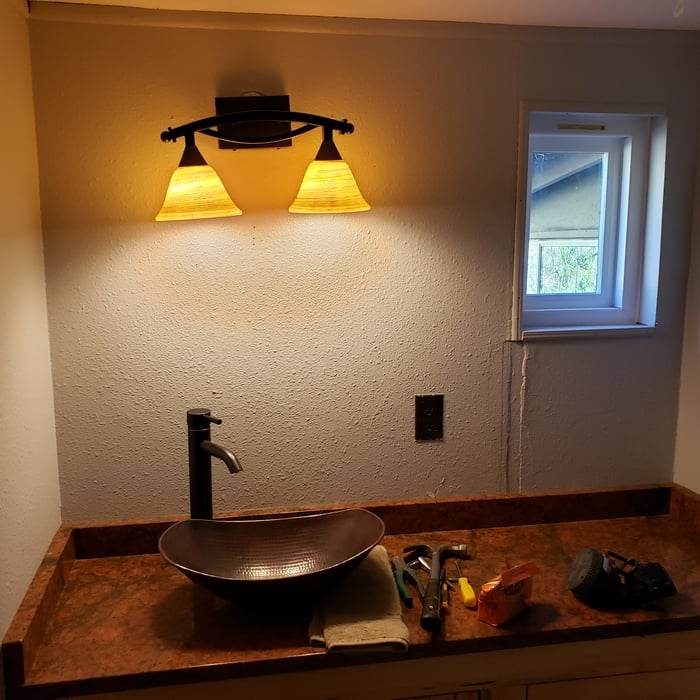
bath room sink and backsplash

+8

Response time1 day
Recommended by83%of homeowners
Avatar for Statewide Roofing And Drywall
Statewide Roofing And Drywall
5.0(
9
)
Drywall - InstallDrywall - Install - For BusinessDrywall - Repair+1 more

Serving Bayfield, CO and surrounding areas

In business since 2003

Free estimates

Emergency services offered

"Norm and his team were one of the most excellent roofing/business experience I have encountered in a long time. Work and the personable attitude made such a difference! He restored my faith in the roofing business in Albuquerque ! I will definitely call on him again, great guy!"
Additional Photos
Additional Photos
Additional Photos
Additional Photos
Additional Photos

+15

Recommended by100%of homeowners
...
Showing 1-10 of 51
Drywall questions, answered by experts

Plaster is denser, harder, and more porous than drywall, so it absorbs moisture differently. This means you’ll often need more prep work, such as thorough sanding, patching, and priming with a high-quality bonding primer. Additionally, you may need more coats of paint to achieve even coverage. While the process takes more time, it helps ensure a durable and professional-looking result.

The short answer is yes, a sagging plaster ceiling is dangerous. Sagging plaster on a wall is something you should fix immediately, but it isn’t a major concern. If the same type of sagging occurs on a ceiling, however, you could be in danger of your ceiling falling in large chunks. When plaster sags, it loses its strength and ability to hold itself up. The bonds that hold it together are strong, though, so if a sagging area falls, it will take large pieces down with it.

All plaster walls will crack over time due to normal house settling and expansion and contraction from temperature and moisture changes. Small, thin hairline cracks are generally not serious and are mostly a cosmetic issue. However, larger or more significant cracks can indicate structural problems.

Here's how to tell the difference:

  • Cosmetic Cracks: Cracks that are 0.5 cm (0.2 inches) or thinner are typically cosmetic.

  • Structural Cracks: Cracks wider than 0.5 cm, excessive or deep cracks, multiple cracks in the same area, or cracks that span around corners can signify a structural or foundation issue. Cracks along the joints where walls meet the ceiling also warrant attention.

For cracks wider than 0.5 cm, structural repair is needed. If a crack is 2.5 cm (1 inch) or wider, or if you notice any signs of a structural problem, it is best to contact a plaster repair professional to assess the damage.

Whether you can reuse a drywall anchor depends on its type, material, and how it is removed. Plastic anchors, such as expansion or self-drilling types, are generally considered single-use because they are designed to expand and are likely to break or become deformed upon removal. Metal anchors, like toggle bolts, are more durable and can often be reused if they are not damaged during extraction. However, with toggle bolts, the toggle mechanism can fall inside the wall when the bolt is removed, making it difficult to retrieve. If an anchor is damaged or must be cut for removal, it cannot be reused regardless of its material.

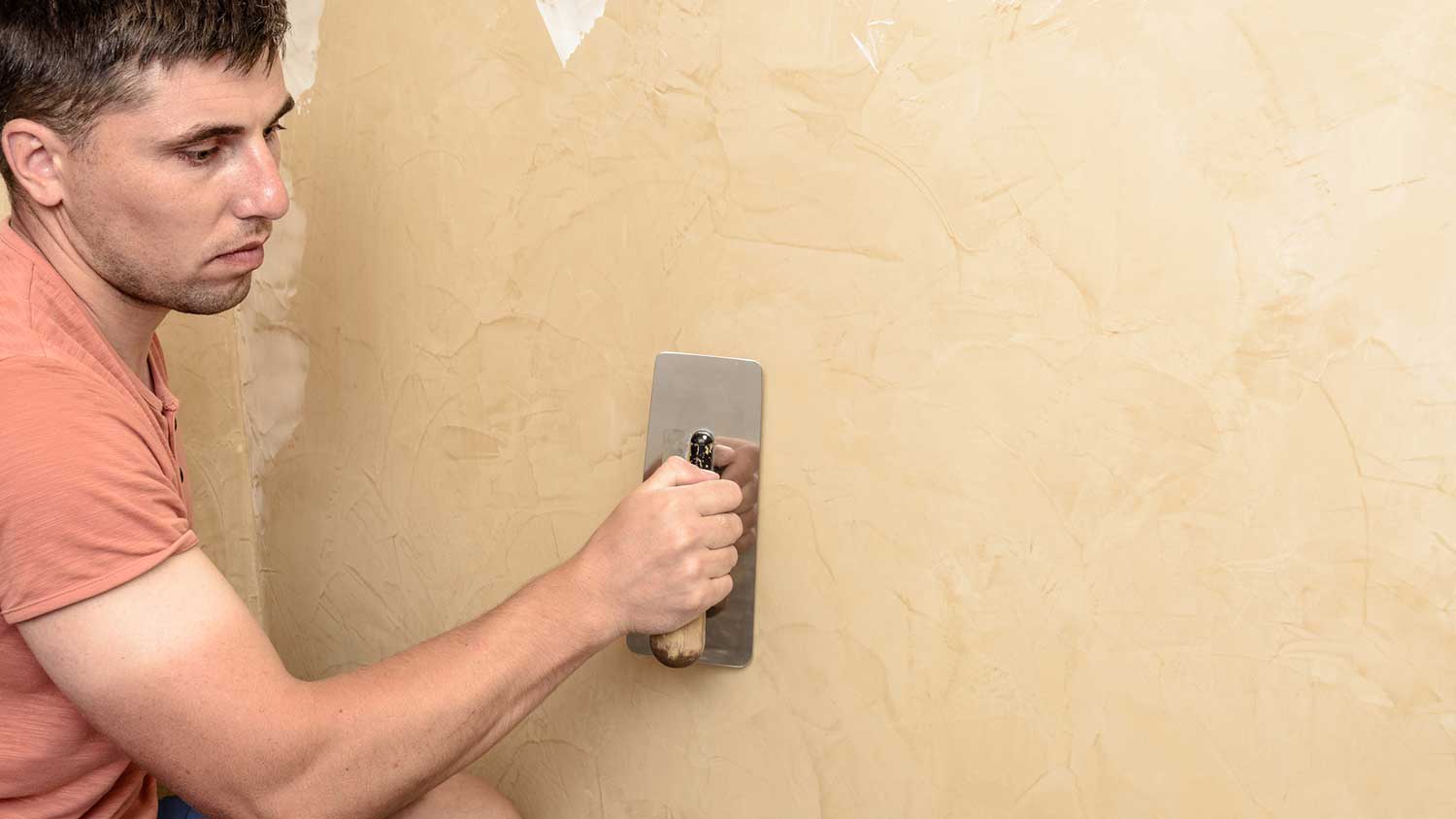
Plastering and skimming are two different techniques for finishing walls. Plastering involves applying a thick layer of a plaster mixture—typically containing gypsum, lime, cement, sand, and water—to create a new surface. This process often requires multiple coats and is used for repairing significant damage or creating decorative textures. Skimming, on the other hand, is a technique that involves applying a thin layer of drywall compound or joint compound over an existing surface to smooth it out, covering minor imperfections, small cracks, or uneven textures for a polished look. Plastering is generally more costly and labor-intensive than skimming. Although some people use the terms interchangeably, they refer to different processes and materials.

The Bayfield, CO homeowners’ guide to drywall services

From average costs to expert advice, get all the answers you need to get your job done.