




Top-rated energy efficiency auditors.

Get matched with top energy efficiency auditors in Basalt, CO

Enter your zip and get matched with up to 5 pros

Need a pro for your energy efficiency auditing project in Basalt, CO?

Select your specific project to find the pro for you.

Find Energy efficiency auditors in Basalt

Avatar for The 4 Peaks
The 4 Peaks
3.4(
15
)
Energy Audit - For BusinessHome Energy Audit

Serving Basalt, CO and surrounding areas

In business since 2014

Free estimates

Credit card accepted

"Michael Petzak did a Home Energy Assessment at our home today. He was prompt, friendly, knowledgeable, and professional. The assessment was very thorough. I look forward to receiving the report of the visit."
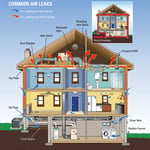
Common Air Leaks
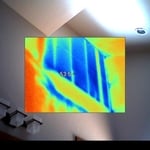
Infrared Camera View of Wall
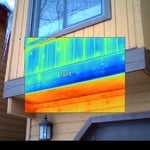
Infrared Camera View of Cantilever
Response time2 days
Recommended by75%of homeowners
Sunlight Solar Services
New to Angi
Home Energy Audit

Serving Basalt, CO and surrounding areas

In business since 2015

Free estimates

Credit card accepted

With years of experience serving the area, we are your solution for all your solar needs. We take great pride in our extreme professionalism, timeliness and superior customer service on every job. We make sure to develop a lasting relationship so that the next time service is needed there will be no question on who to call. Check out our 5 star reviews from happy customers! Call us today so we can discuss your needs and make a plan that fits your budget. Satisfaction guaranteed!

Energy Efficiency Auditing questions, answered by experts

You can increase your home’s load factor by replacing fuse boxes with a circuit breaker, hiring a licensed electrician to upgrade your electrical panel, upgrading wiring, or installing subpanels. An electrical inspection by an expert can help determine the state of your current electrical systems and how they can be improved.

A whole-house humidifier can positively impact energy consumption by improving heating efficiency. During colder months, humidified air feels warmer, which allows you to lower your thermostat without sacrificing comfort. This adjustment can lead to significant energy savings as your heating system works more efficiently. However, it's important to use the humidifier judiciously, as excessive humidity could potentially strain your cooling system in warmer months.

If your AC runs constantly, it could be due to a number of things, including a faulty thermostat, incorrect temperature settings, or broken equipment. Alternatively, you might have an airflow problem (for example, blocked vents or leaky ductwork). Either way, an HVAC pro can identify the specific problem and fix it for you.

While many states require all new construction to undergo blower door tests, it’s not a requirement for existing homes. But in both cases, a blower test helps confirm that the contractor has sealed the exterior, that the type of ductwork installed is functioning properly, and that your home is as efficient as possible.

To determine the right size generator for your house, you should calculate the total wattage of the appliances and devices you want to power during an outage. List all essential items, note their start-up wattages, and add them together.

Here are some typical wattage requirements for common appliances:

  • Refrigerator: 600 watts

  • Large dehumidifier: 700 watts

  • Large window air conditioner: 1,400 watts

  • Water heater: 3,000 to 4,500 watts

  • Electric furnace: 5,000 to 25,000 watts

A 7,500-watt generator might be sufficient for essentials like a refrigerator, freezer, well pump, and lighting circuits. However, for high-demand items like a water heater or furnace, a whole-home generator is a better choice. A portable generator may be enough if you only need to power a few critical items.

While home square footage can offer a rough estimate, it is not always a reliable indicator. For reference, here are some typical generator sizes based on square footage:

  • 1,000 sq ft: 6–9 kW

  • 1,500 sq ft: 7–10 kW

  • 2,000 sq ft: 10–14 kW

  • 2,500 sq ft: 12–16 kW

  • 3,000 sq ft: 16–20 kW+

For the most accurate sizing, consult a professional who can calculate your home's peak and average power consumption and recommend the optimal generator.

The Basalt, CO homeowners’ guide to energy efficiency auditing services

From average costs to expert advice, get all the answers you need to get your job done.