



Top-rated deck repair pros.

Get matched with top deck repair pros in Austin, CO

Enter your zip and get matched with up to 5 pros

Need a pro for your deck repair project in Austin, CO?

Select your specific project to find the pro for you.

Find Deck repair pros in Austin

Avatar for Jon Thomas Construction and Remodeling, LLC
Jon Thomas Construction and Remodeling, LLC
5.0(
3
)
Deck or Porch - RepairDeck or Porch - Repair - For Business

Serving Austin, CO and surrounding areas

Approved

In business since 2004

Small jobs welcome

Offers commercial services

"Jon and his team were extremely prompt, professional and wonderful to work with. We were always comfortable with them in our home and they went above and beyond to provide cleanliness and comfort during the entire process. From the design process to the finished product, it was the best experience I could have ever imagined. I really appreciate Jon’s honesty, integrity, and diversity of experience from practical to polished options. I’m over the moon about my remodel!"
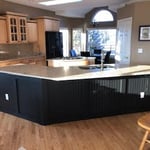
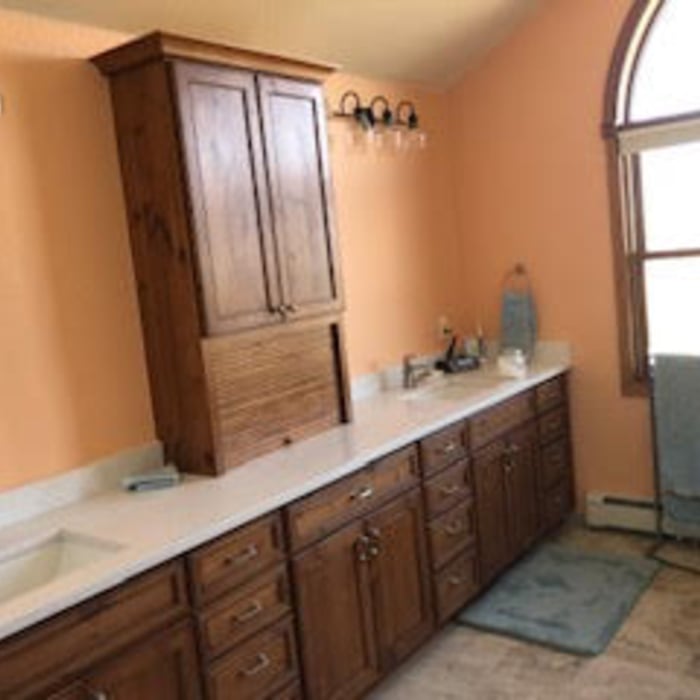
Kitchens
Kitchens
Kitchens
Kitchens
Bathrooms

+30

Response time1 day
2 neighbors recently requested a quote
Recommended by33%of homeowners
Advanced Properties, LLC
4.9(
39
)
Deck or Porch - RepairDeck or Porch - Repair - For Business

Serving Austin, CO and surrounding areas

In business since 2012

Free estimates

Small jobs welcome

"This service did a beautiful job on repairing water damaged sub floor and replacing all the vinyl plank flooring and baseboard in my laundry room. They were very professional in dealing with the black mold that had grown behind the baseboard, my home is safe again!!"
Response time2 days
2 neighbors recently requested a quote
Recommended by94%of homeowners
Showing 1-10 of 47
Deck Repair questions, answered by experts

The average cost to professionally clean or pressure wash a deck is around $150, with prices typically ranging from $100 to $600. Several factors influence the final price, including the deck's size, material, condition, and how long it has been since its last cleaning. For a smaller deck of about 300 square feet, you might pay around $100. For a larger deck of 1,000 square feet or more, the cost could be closer to $300 to $400. Decks that are very dirty or haven't been cleaned in years may require more time and special detergents, which will increase the price. The deck's material also plays a role. Wood decks often cost more to clean because they require a gentle power washing technique to avoid damage. Composite decks are typically less expensive to clean, and cleaning a metal deck may cost around $100.

Yes, you can draw your own deck plans in many cases. However, you must know your local building codes and be familiar with carpentry principles. Even then, it's always best to run your plans by a professional contractor with experience building decks, whether you choose to DIY some of the build or not.

It is possible to pressure wash your deck, but it’s usually best to leave the work to a professional for two main reasons. First, power washers are expensive, and you can avoid high upfront costs by hiring a deck washing pro instead. Second, you must be careful to use the correct setting to avoid damaging your deck material. You can only clean soft woods like pine with a wide spray and a low pressure; otherwise, the water will leave unpleasant marks on your deck. Hard woods, composite material, and metal can stand up to increasingly higher water pressures.
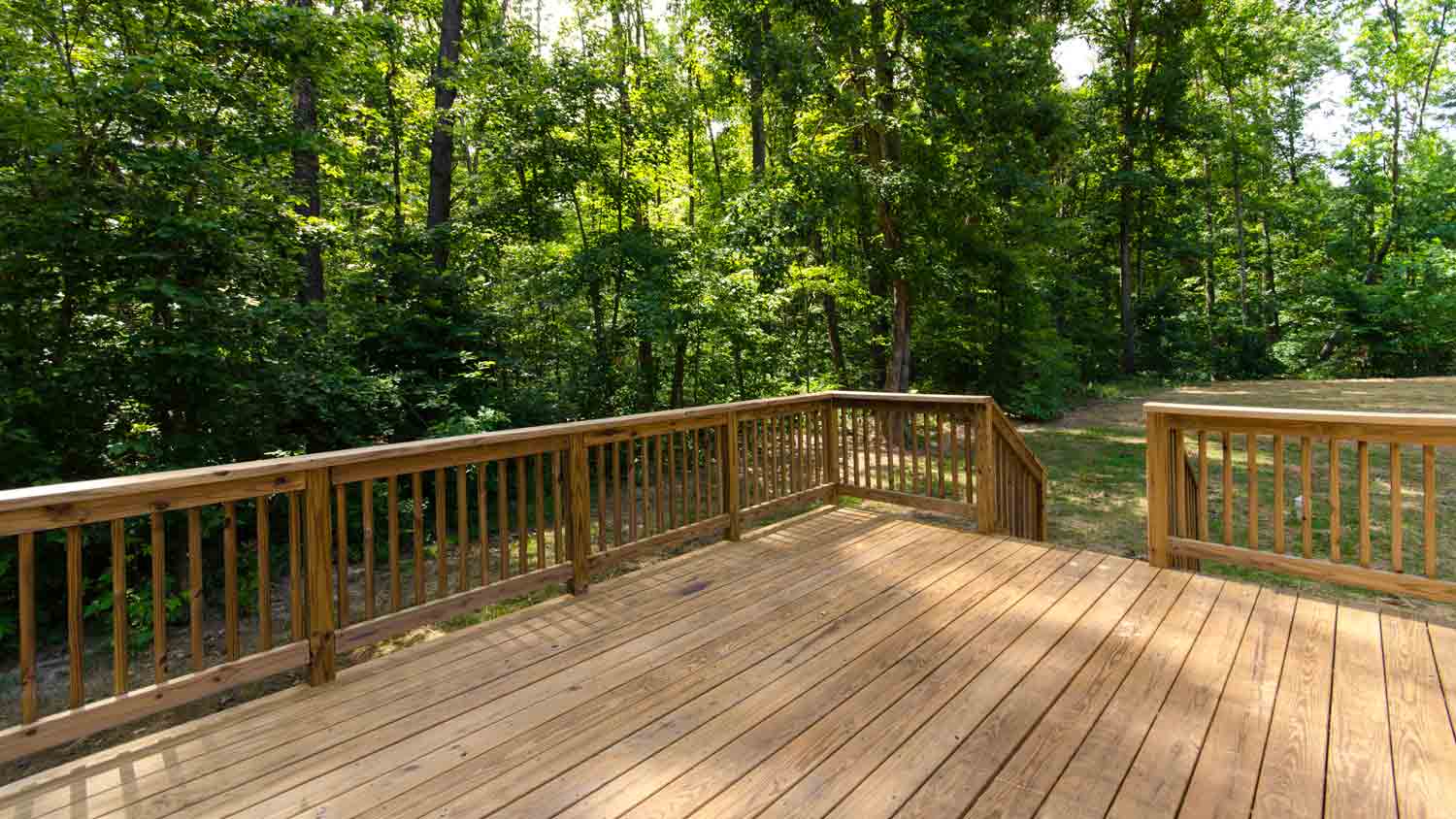
Most building codes require that spindles or balusters on deck and stair railings be spaced no more than four inches apart. This safety standard, often called the '4-inch sphere rule,' is designed to prevent small children or pets from slipping through the railing. A good way to visualize this is that a 4-inch sphere should not be able to pass between two spindles. For the same safety reason, the space between the bottom rail and the deck floor should also be no more than four inches. As a general guideline, professionals often install three balusters per foot of railing. However, since specific requirements can vary by location, it is crucial to check your local building codes to ensure compliance before starting your project.

Yes, deck pier blocks can be used as an alternative to traditional deck footings, especially for smaller or low-to-the-ground decks. Unlike poured concrete and buried post footings, deck blocks do not require digging or pouring. However, their use is dependent on local building codes. Some areas, particularly those prone to high winds, earthquakes, or hurricanes, may not permit the use of deck pier blocks. It is essential to consult your local building codes before choosing them for your deck project.

The Austin, CO homeowners’ guide to deck repair services

From average costs to expert advice, get all the answers you need to get your job done.