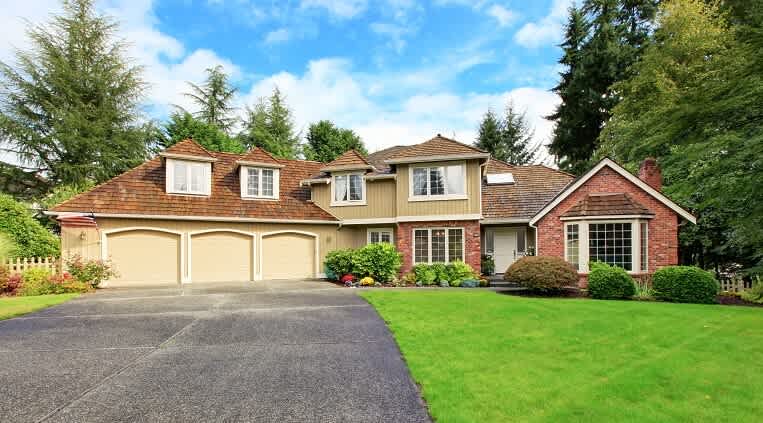
"We had Ocean Seven Builders redo our roof after a small leak turned into a bigger problem. Ron was the one we dealt with, and he just felt easy to talk to from the start. No pressure, no upselling, just explained what made sense. The crew showed up when they said they would and worked pretty steadily through the job. What I noticed most was how clean they kept things?no nails or trash left around. The roof looks great and we?ve had zero issues since."
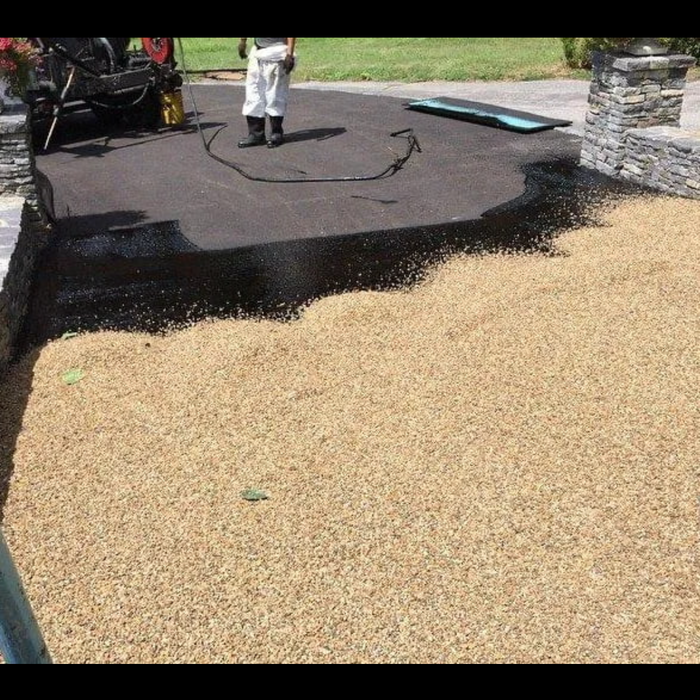
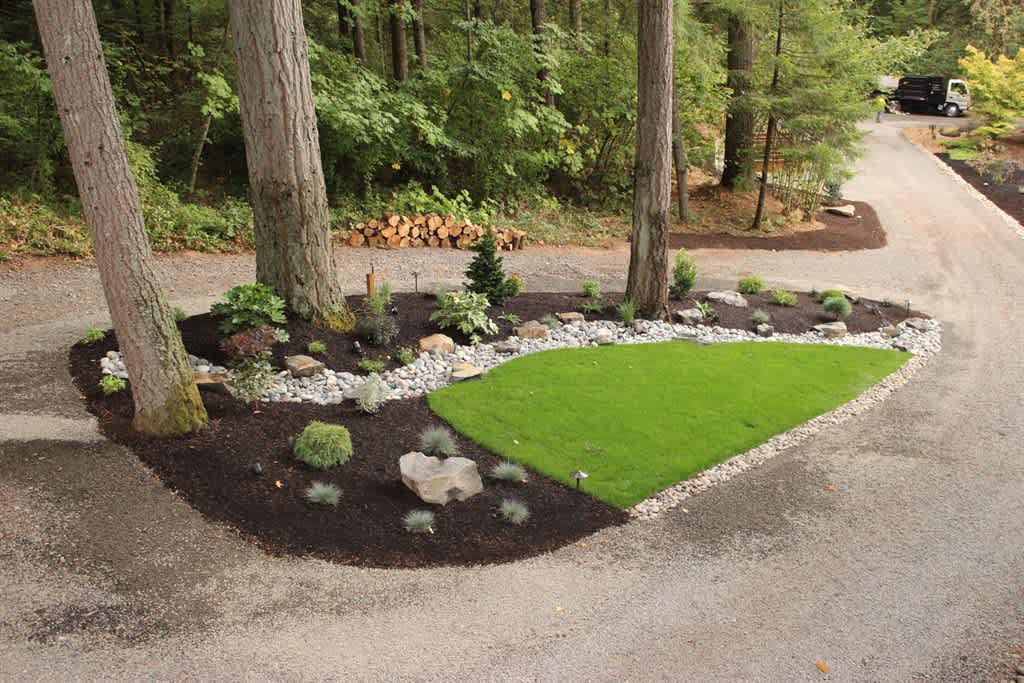
"Edward and his incredible team worked very hard to finished our driveway right away.
My husband and I are very pleased with the final results.
We thank Jim,Edward and his entire team for an incredible job done!
Consuelo"
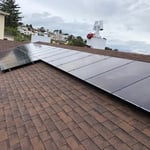
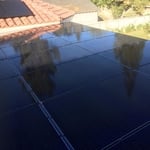
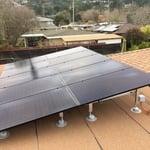
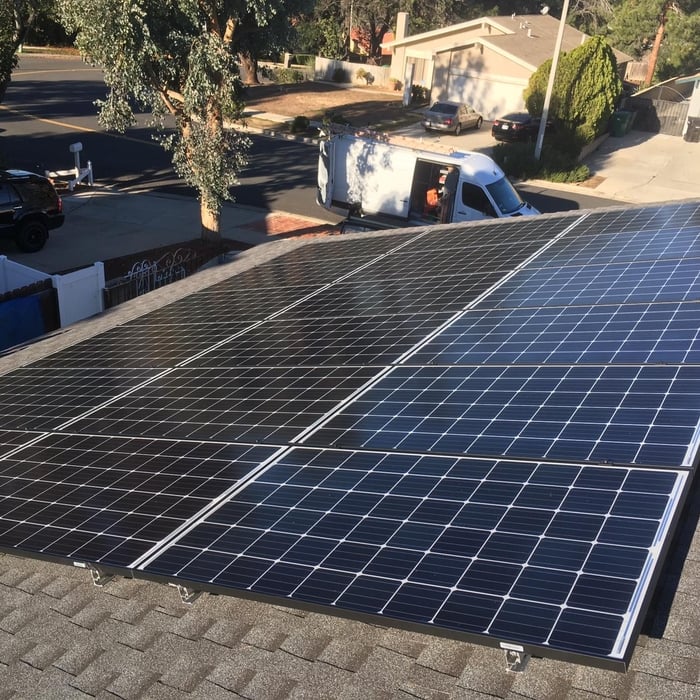
"Mega Power was great! I hired them to go solar on my house and the solar analyst that came out was very helpful from day one. He was not just simply a sales guy he gave me his personal cell phone that I was able to call anytime if I had questions or wanted updates about my project. My project was about 6 kW and consisted of 22 panels, each panel was 275 Watts. What I loved about these guys is that all the products they installed were American made products, warrantied for 25 years! Working with Jonathan (our sales guy) was another reason I chose to go with Mega Power. Every step of the way Jonathan was informative, and just professional from day 1. Price quotes with other companies were similar, so I simply chose the company that provided me the best service before signing anything."
Driveway Sealcoating questions, answered by experts
Common issues that require asphalt repair include cracking, potholes, surface crumbling, fading, uneven surfaces, weather-induced damage, and drainage problems. Regular maintenance is crucial for maintaining safety and aesthetics and can prevent more significant damage.
It is not recommended to seal brand-new asphalt immediately. You should wait at least three months after installation to allow the asphalt time to cure properly. Applying a seal coat too soon can trap the asphalt's oils and chemicals, preventing it from fully hardening. This can result in a weaker surface that is more susceptible to damage. After the three-month curing period, sealing the asphalt is beneficial as it can extend its lifespan by protecting it from water, UV rays, and other damaging elements.
Regular cleaning, sealing, and timely repair of cracks help maintain its condition.
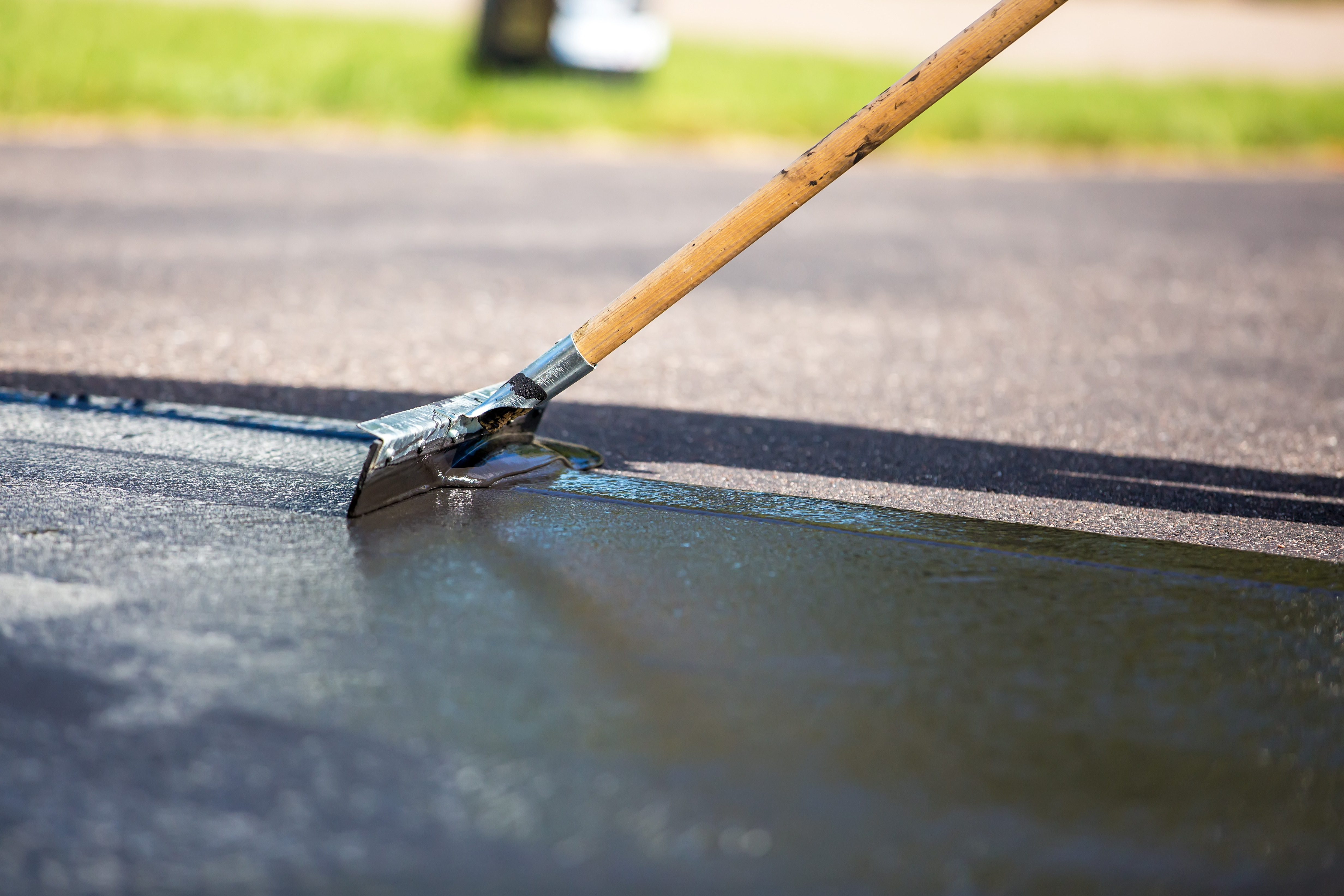
To maintain your asphalt driveway, add a new coat of sealant every three to five years. Pricing varies, but you will pay about $0.08 to $0.50 per square foot from start to finish. You can also choose to add a fill-and-seal layer that includes a layer of aggregate to fortify a damaged top layer of asphalt.
When asphalt cures, it typically changes from a very dark black hue to a lighter, more matte gray color. Cured asphalt also won’t be tacky or sticky to the touch or emit any odors from the asphalt mix. Additionally, the surface of fully cured asphalt won’t deform under any pressure.
The Walker, CA homeowners’ guide to driveway sealcoating
From average costs to expert advice, get all the answers you need to get your job done.
The cost of a tar and chip driveway falls between gravel and asphalt. Is this unique process the happy medium you've been looking for? Let's take a look.
Driveway extensions can provide valuable parking and recreation space and add to the value of your home on resale. Find out how much driveway extensions cost.
The average driveway coating takes between 30 minutes and eight hours to dry, but weather and sealant type can influence the dry time. Read on to learn more.