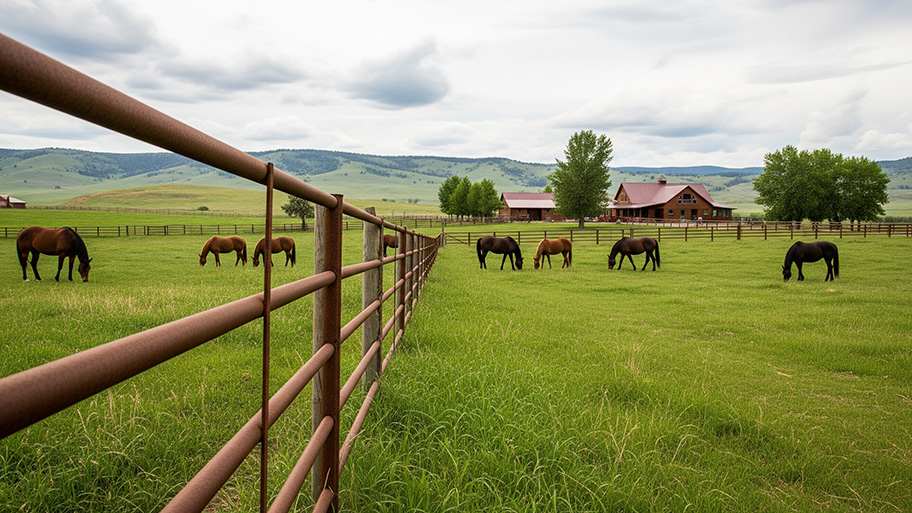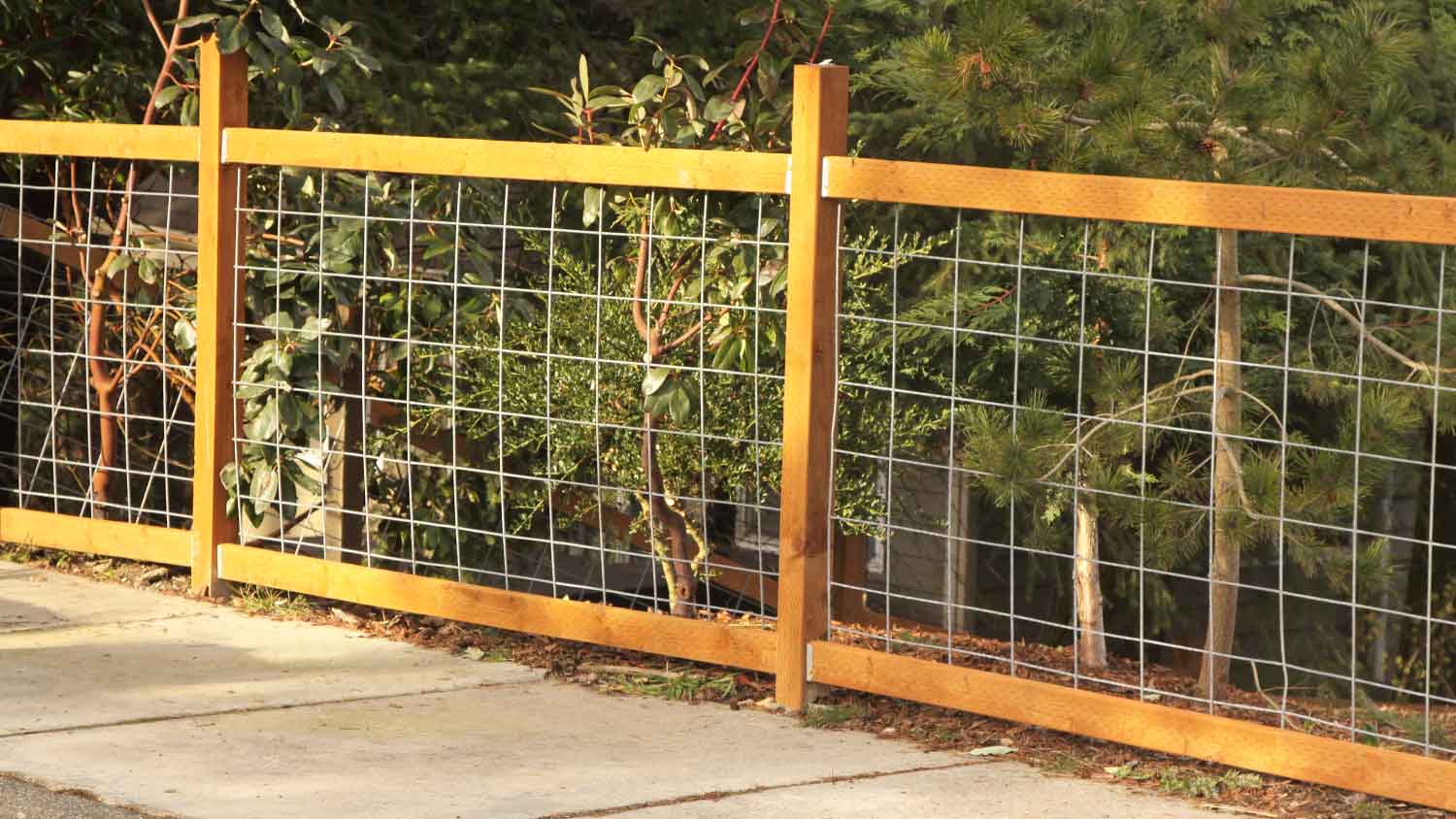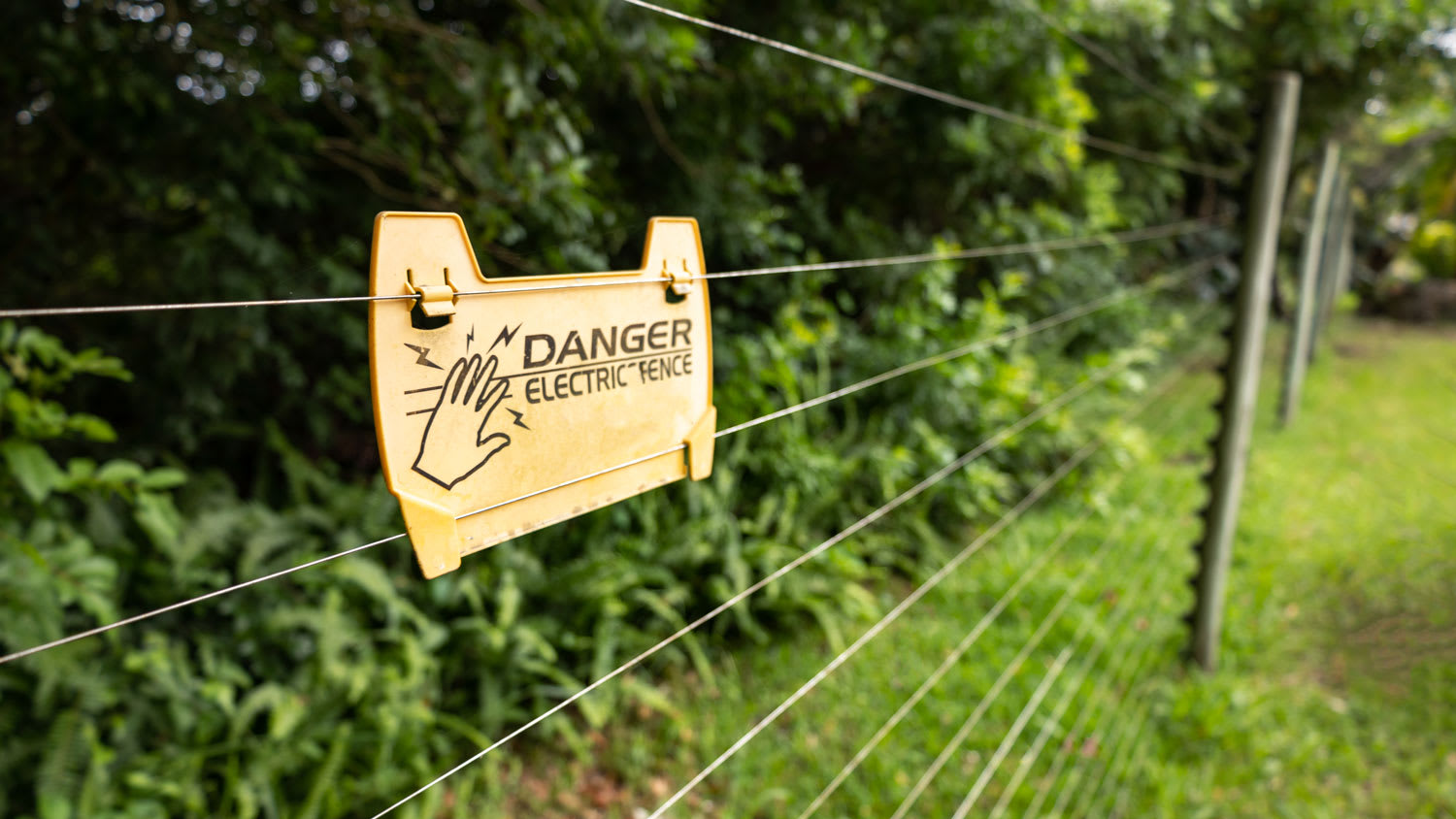




Top-rated animal fencing pros.

Best animal fencing pros near Romoland, CA

Enter your zip and get matched with up to 5 pros

Need a pro for your animal fencing service project in Romoland, CA?

Select your specific project to find the pro for you.

Top-Rated Animal fencing pros in Romoland - Updated Nov 2026

Avatar for Golden Link Fence LLC
Golden Link Fence LLC
5.0(
5
)
Electronic Pet Fence - InstallElectronic Pet Fence - Repair or Adjust

Serving Romoland, CA and surrounding areas

In business since 2009

Free estimates

Credit card accepted

"GLF provided us with highly professional service throughout the entire process, from the initial quote to the final execution by Jess and her crew. We were extremely impressed with their communication, attention to detail, and quality of workmanship. We highly recommend their services"
Remodeling - General Project
Fencing Project swimming pool fence
Swimming pool Fencing Project
Fencing - Driveway Gates Project
Backyard side gate

+21

Recommended by80%of homeowners
Showing 1-10 of 16
Animal Fencing FAQs, answered by experts

There are several ways to make your yard a less attractive habitat for moles. Protect your garden beds by installing a fence or other barrier about 2 to 3 feet deep around your garden.

Moles eat insects, so grub removal is another important way to prevent moles from destroying your yard.

Likewise, remove tree stumps, dead leaves, and other debris that attract insects to your lawn. Some plants will deter moles as well, including daffodils, marigolds, crown imperial, and alliums, like garlic or onions.

Yes, badgers can benefit the environments they live in. As they dig and feed, they carry and disperse seeds, which helps plants spread and grow. They also build tunnels that other species, like rabbits and foxes, can move into. However, these benefits may not be desirable on your property, and badger removal may be preferable.

Scented mouse deterrents, like peppermint oil, can be effective in the short term. The pungent smells may temporarily repel mice, but they lose effectiveness as the scent fades or mice get used to it. The main drawbacks are frequent reapplication and the fact that these deterrents don't address the root cause of the infestation, such as entry points or food sources. While they can be part of a broader strategy, scented deterrents alone are rarely enough to eliminate a mouse problem.

Bears are most active at dawn and dusk. They can be active at any point during the day, but the hours after sunset and before sunrise are their primary feeding times. As far as time of year goes, bears are generally active from April to November and hibernate throughout the winter and early spring. Bears are more likely to be aggressive in the spring right after hibernation but more likely to be seen in the fall because they are preparing for hibernation.

Armadillos are most active during cooler hours to avoid extreme temperatures, particularly the daytime heat in the warm climates where they live. This activity pattern helps them reduce the risk of overheating and dehydration. They are generally active from late at night to early morning, often between 2 a.m. and 5 a.m., but can also be seen around dawn and dusk. An exception to this is during mating season (June-July in the northern hemisphere, November-December in the southern hemisphere), when male armadillos may be more active than usual.

The Romoland, CA homeowners’ guide to animal fencing services

From average costs to expert advice, get all the answers you need to get your job done.