







Top-rated generator install pros.

Get matched with top generator install pros in Palo Cedro, CA

Enter your zip and get matched with up to 5 pros

Need a pro for your generator install project in Palo Cedro, CA?

Select your specific project to find the pro for you.

Find Generator install pros in Palo Cedro

Avatar for Garner Electric
Garner Electric
4.9(
23
)
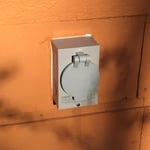
Portable Generator - Install

Serving Palo Cedro, CA and surrounding areas

Approved

In business since 2022

Free estimates

Emergency services offered

"Fast response. Came out on Sunday. Answered all my questions. I feel allot Safer now as my outlets was sparking and the other had burn marks. Great pri e and customer service. Highly recommend."
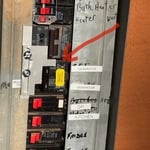
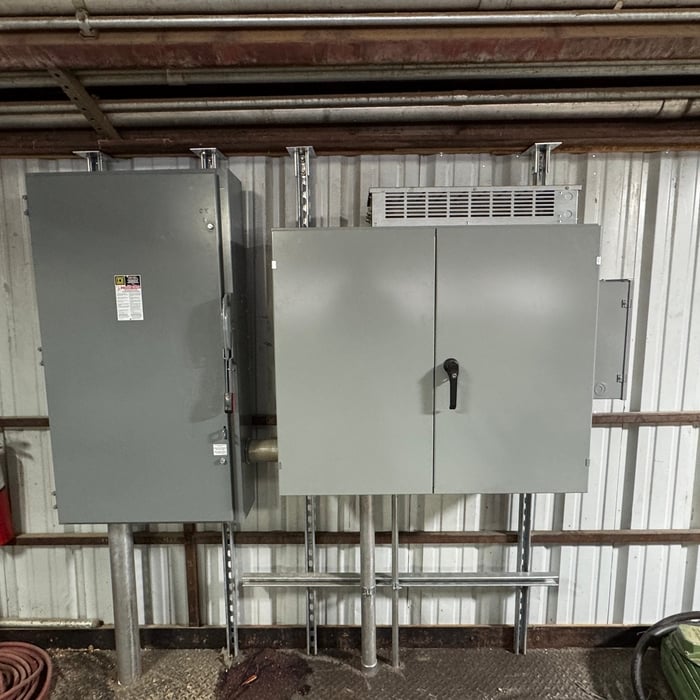
Previously existing panel
New panel installed
Final Completion of trim and paint
Response time12 hrs
Response rate92%
2 neighbors recently requested a quote
Avatar for GRAHAM ELECTRIC
GRAHAM ELECTRIC
5.0(
6
)
Fixed Generator - InstallFixed Generator - RepairGenerator - Install - For Business+2 more

Serving Palo Cedro, CA and surrounding areas

In business since 2024

Free estimates

Emergency services offered

"Our main electrical panel needed replaced. We Reached out to Jake Graham, he came pretty quickly to assess the situation, gave us a quote and scheduled the job. The price was fair and we were all fixed up before we know it..electrical is stressful for me. It's great to have someone that's knowledgeable and affordable. He shows up when he says he will be there, and stays until the job is complete. We will be using him for any future electrical needs without hesitation."
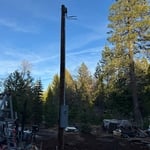
Service pole
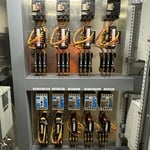
Disconnects
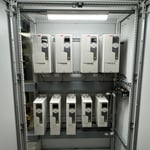
VFDs
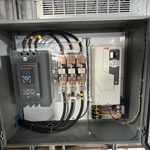
Motor starters
Finished Product

+1

Response time10 mins
Recommended by25%of homeowners

Showing 1-10 of 23
Generator Install questions, answered by experts

The average cost to install a home generator is $5,200, but total costs can range from $500 to $18,000 or more. The final price depends on several factors, including the generator's size, type, brand, fuel source, and the cost of labor and assembly. The generator's size is the most significant cost factor, as units that can power larger homes with higher energy demands cost more.

Cost breakdowns by generator type are typically as follows:

  • Portable or Emergency Backup Generators (1kW–7.5kW): $500–$2,000

  • Partial-Home Generators (9kW–20kW): $2,000–$6,500

  • Whole-House Generators (22kW–48kW): $5,000–$18,000

To ensure you get the right size unit for your needs without overpaying, consider hiring an electrician to calculate the electrical load of your essential appliances. It is also recommended to get at least three quotes from qualified installers to find the best fit for your budget.

Sizing a generator is a careful process that requires calculating the electrical load of your entire house. You have to take into account every device you want to use and their wattage requirements, plus the wattage needed to start them, and look for a generator that can safely run all that at around 80% capacity.

In more practical terms, a small home can run on a 10,000-watt generator (and if you only want to power a few key appliances, much less than that). A mid-sized home may need something between 15,000 and 22,000 watts. Larger homes require 25,000 watts or more. 

To determine the right size generator for your house, you should calculate the total wattage of the appliances and devices you want to power during an outage. List all essential items, note their start-up wattages, and add them together.

Here are some typical wattage requirements for common appliances:

  • Refrigerator: 600 watts

  • Large dehumidifier: 700 watts

  • Large window air conditioner: 1,400 watts

  • Water heater: 3,000 to 4,500 watts

  • Electric furnace: 5,000 to 25,000 watts

A 7,500-watt generator might be sufficient for essentials like a refrigerator, freezer, well pump, and lighting circuits. However, for high-demand items like a water heater or furnace, a whole-home generator is a better choice. A portable generator may be enough if you only need to power a few critical items.

While home square footage can offer a rough estimate, it is not always a reliable indicator. For reference, here are some typical generator sizes based on square footage:

  • 1,000 sq ft: 6–9 kW

  • 1,500 sq ft: 7–10 kW

  • 2,000 sq ft: 10–14 kW

  • 2,500 sq ft: 12–16 kW

  • 3,000 sq ft: 16–20 kW+

For the most accurate sizing, consult a professional who can calculate your home's peak and average power consumption and recommend the optimal generator.

Generally, you’ll want to keep between 60 and 70 feet between the generator and the transfer switch. There are a few reasons for this, including:

  • The distance reduces the noise coming from the generator into your home.

  • It increases efficiency because you won’t have a voltage drop from this short of a distance.

  • Prevents carbon monoxide poisoning: keep at least 15 feet between your generator and an open window. 

Generators are safe to use as long as they are installed and operated correctly according to the manufacturer's recommendations. The most critical safety tips are to never use a portable or fuel-powered generator inside an enclosed space due to the risk of lethal carbon monoxide poisoning; always operate it outdoors where fumes can dissipate away from your home. Additionally, never attempt to connect a generator to your home’s electrical panel yourself—hire a professional to ensure the setup meets safety standards. Finally, avoid overloading the generator by not connecting more appliances than it is rated for, as this can damage your equipment or cause a fire.

The Palo Cedro, CA homeowners’ guide to generator installs

From average costs to expert advice, get all the answers you need to get your job done.