Top-rated energy efficiency auditors.

Best energy efficiency auditors near Pajaro, CA

Enter your zip and get matched with up to 5 pros

Need a pro for your energy efficiency auditing project in Pajaro, CA?

Select your specific project to find the pro for you.

Top-Rated Energy efficiency auditors in Pajaro - Updated Nov 2026

Avatar for Mega Power Electric, Inc
Mega Power Electric, Inc
5.0(
191
)
Energy Audit - For BusinessHome Energy Audit

Serving Pajaro, CA and surrounding areas

In business since 2000

Free estimates

Emergency services offered

"Excellent Service from planning through Execution and installation to final fine tuning. The folks communicated well and explained every detail of the step. Got permit and inspection done. It was seamless. Thanks. R."
Additional Photos
Additional Photos
Additional Photos
Additional Photos
Additional Photos

+32

Recommended by100%of homeowners
Avatar for Attic Masters
Attic Masters
4.7(
33
)
Energy Audit - For BusinessHome Energy Audit

Serving Pajaro, CA and surrounding areas

In business since 2010

Free estimates

Credit card accepted

"Attic masters did a good job at my house by cleaning the ducts. I spoke to them prior and they were nice to me. they gave me several options and explain to me the difference between each one and they recommended me which one to choose. The work that they did was good and the people that did the actual work were very nice. I will hire them again.
"
Additional Photos
Additional Photos
Additional Photos
Additional Photos
Additional Photos

+7

Recommended by95%of homeowners
Avatar for Better Earth Construction
Better Earth Construction
5.0(
3
)
Home Energy Audit

Serving Pajaro, CA and surrounding areas

In business since 2020

Free estimates

Credit card accepted

"The project was top notch. Not only did they consistently show up on time, but they finished the project early and were willing to reschedule the final walkthrough multiple times to accommodate our schedule. Final project turned out great!"
Response time2 hrs
Response rate91%
Recommended by100%of homeowners
Showing 1-10 of 33
Energy Efficiency Auditing FAQs, answered by experts

To determine the right size generator for your house, you should calculate the total wattage of the appliances and devices you want to power during an outage. List all essential items, note their start-up wattages, and add them together.

Here are some typical wattage requirements for common appliances:

  • Refrigerator: 600 watts

  • Large dehumidifier: 700 watts

  • Large window air conditioner: 1,400 watts

  • Water heater: 3,000 to 4,500 watts

  • Electric furnace: 5,000 to 25,000 watts

A 7,500-watt generator might be sufficient for essentials like a refrigerator, freezer, well pump, and lighting circuits. However, for high-demand items like a water heater or furnace, a whole-home generator is a better choice. A portable generator may be enough if you only need to power a few critical items.

While home square footage can offer a rough estimate, it is not always a reliable indicator. For reference, here are some typical generator sizes based on square footage:

  • 1,000 sq ft: 6–9 kW

  • 1,500 sq ft: 7–10 kW

  • 2,000 sq ft: 10–14 kW

  • 2,500 sq ft: 12–16 kW

  • 3,000 sq ft: 16–20 kW+

For the most accurate sizing, consult a professional who can calculate your home's peak and average power consumption and recommend the optimal generator.
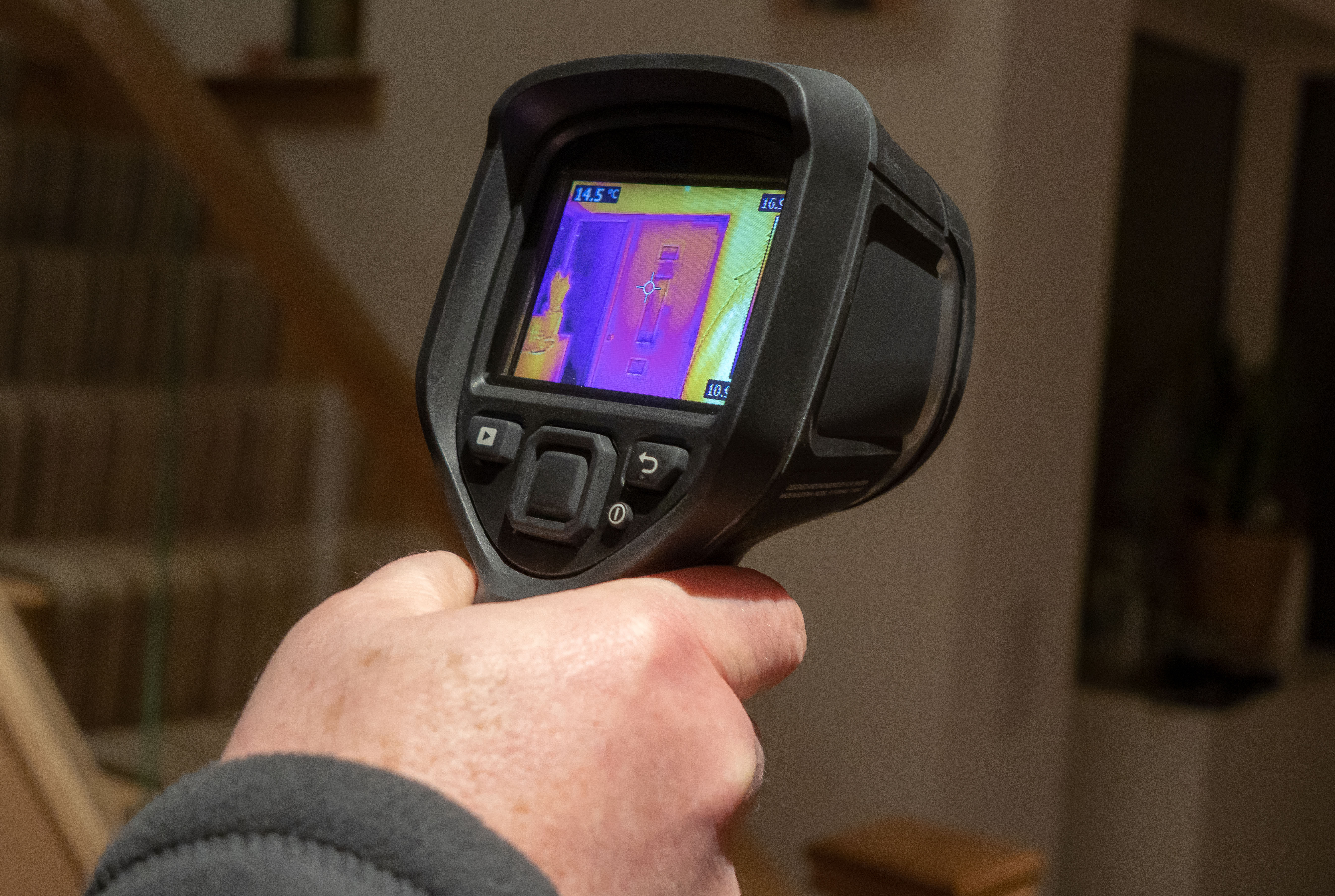

Installing weather stripping or upgrading to insulated panels can improve efficiency.

Setting your AC unit to 78 degrees can, indeed, help you save energy. In fact, according to experts, every degree you turn the unit up could save you between 1% and 3% on your energy bills. That said, turning your unit off entirely while you’re out might actually be less efficient than keeping it on at a higher temperature. Why? The unit will need to work extra hard to cool the house back off again after all those hot hours. 

No, it isn’t necessary to have energy-efficient windows. However, if you care about your energy bill and making your windows more energy efficient, fixing any heat, UV, or air transfer issues is an excellent way to lower your bills and keep your house cooler in the summer and warmer in the winter.

A good SEER rating for an HVAC system is typically between 15 and 20. However, minimum requirements vary by location; HVAC systems in northern states must have at least a 14 SEER rating, while those in southern states need a minimum of 15. For the highest possible efficiency, look for units with a SEER rating of 21 or higher. It's important to remember that a SEER rating represents the maximum efficiency a unit can achieve, not the level at which it will operate at all times.

The Pajaro, CA homeowners’ guide to energy efficiency auditing services

From average costs to expert advice, get all the answers you need to get your job done.