


Top-rated energy efficiency auditors.

Get matched with top energy efficiency auditors in Capitola, CA

Enter your zip and get matched with up to 5 pros

Need a pro for your energy efficiency auditing project in Capitola, CA?

Select your specific project to find the pro for you.

Find Energy efficiency auditors in Capitola

Avatar for Mega Power Electric, Inc
Mega Power Electric, Inc
5.0(
191
)
Energy Audit - For BusinessHome Energy Audit

Serving Capitola, CA and surrounding areas

In business since 2000

Free estimates

Emergency services offered

"Excellent Service from planning through Execution and installation to final fine tuning. The folks communicated well and explained every detail of the step. Got permit and inspection done. It was seamless. Thanks. R."
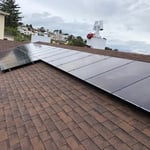
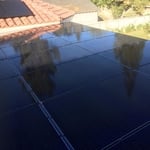
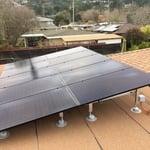
Additional Photos
Additional Photos
Additional Photos
Additional Photos
Additional Photos

+32

Recommended by100%of homeowners
Avatar for Attic Masters
Attic Masters
4.7(
33
)
Energy Audit - For BusinessHome Energy Audit

Serving Capitola, CA and surrounding areas

In business since 2010

Free estimates

Credit card accepted

"Attic masters did a good job at my house by cleaning the ducts. I spoke to them prior and they were nice to me. they gave me several options and explain to me the difference between each one and they recommended me which one to choose. The work that they did was good and the people that did the actual work were very nice. I will hire them again.
"
Additional Photos
Additional Photos
Additional Photos
Additional Photos
Additional Photos

+7

Recommended by95%of homeowners
Avatar for Better Earth Construction
Better Earth Construction
5.0(
3
)
Home Energy Audit

Serving Capitola, CA and surrounding areas

In business since 2020

Free estimates

Credit card accepted

"The project was top notch. Not only did they consistently show up on time, but they finished the project early and were willing to reschedule the final walkthrough multiple times to accommodate our schedule. Final project turned out great!"
Response time2 hrs
Response rate91%
Recommended by100%of homeowners
Showing 1-10 of 29
Energy Efficiency Auditing questions, answered by experts

There is no blanket figure for a residential home’s electrical load, since load varies by the size of the home, how many appliances are used, and the efficiency of their electrical systems. Typically, however, it’s safe to assume 40 to 60 amps is the average electrical load of a residential home. 

A blower door test shouldn’t take more than an hour, and most can be completed in less than 30 minutes. Expect the test to take longer once you start searching for leaks with thermal imaging or want to include sealing such leaks in the time estimate. The test doesn’t take much time and can’t be rushed, but it will take longer in large homes or those with many air leaks.

To determine the right size generator for your house, you should calculate the total wattage of the appliances and devices you want to power during an outage. List all essential items, note their start-up wattages, and add them together.

Here are some typical wattage requirements for common appliances:

  • Refrigerator: 600 watts

  • Large dehumidifier: 700 watts

  • Large window air conditioner: 1,400 watts

  • Water heater: 3,000 to 4,500 watts

  • Electric furnace: 5,000 to 25,000 watts

A 7,500-watt generator might be sufficient for essentials like a refrigerator, freezer, well pump, and lighting circuits. However, for high-demand items like a water heater or furnace, a whole-home generator is a better choice. A portable generator may be enough if you only need to power a few critical items.

While home square footage can offer a rough estimate, it is not always a reliable indicator. For reference, here are some typical generator sizes based on square footage:

  • 1,000 sq ft: 6–9 kW

  • 1,500 sq ft: 7–10 kW

  • 2,000 sq ft: 10–14 kW

  • 2,500 sq ft: 12–16 kW

  • 3,000 sq ft: 16–20 kW+

For the most accurate sizing, consult a professional who can calculate your home's peak and average power consumption and recommend the optimal generator.

Yes, mini-split or ductless AC systems add value to a home and do not devalue it. They are an attractive feature for potential buyers, especially in older homes without existing ductwork, as they provide a practical air conditioning solution without the significant expense and hassle of installing traditional ducts. Ductless systems also eliminate issues associated with conventional ductwork, such as noise and the potential for pests. Furthermore, homeowners value energy-efficient solutions, and mini-splits offer high efficiency for both heating and cooling, plus zoned temperature control. This leads to lower energy consumption and reduced electric bills, which is a major selling point.
You can save money on heating oil through a combination of improving home efficiency and smart purchasing strategies.

Home Efficiency and Usage:

  • Improve Insulation: Ensure your home, especially the basement and attic, is well-insulated and sealed against drafts to prevent heat leakage.

  • Manage Your Thermostat: Use a properly calibrated and programmable thermostat. Lower the temperature by a few degrees, particularly when you are away from home or asleep.

Purchasing Strategies:

  • Buy in the Off-Season: Order heating oil during the summer months when prices are generally at their lowest. This strategy is most effective if you have a large primary tank or a separate storage tank to accommodate bulk deliveries.

  • Consider a Delivery Contract: Some companies offer contracts with a set price for the term. This can lead to savings if market prices for oil increase, but you might pay more if prices drop.

The Capitola, CA homeowners’ guide to energy efficiency auditing services

From average costs to expert advice, get all the answers you need to get your job done.