"Sales process was good, courteous and helpful. Installation instructions were easy to follow. Did have a small issue with one sensor which was easily solved with a call. Control panel is easy to use and well constructed. Phone app is the best part. Not a big fan of a 2 year contract and the monthly rate feels a little high, but definitely a decent system. I had emailed them a question pertaining installing on double hung windows and never received a reply, but other than that their phone support prior to that was good."
We are a locally owned and operated company that values honesty and integrity, and treats your home as if it were our own. We specialize in Windows Tinting as well as Blinds and Shades. Our services are customized to the individual project, paying close attention to the details of each project that we are involved with. We look forward to building long-term relationships with our clients and guarantee your satisfaction!
Most installations take 1-3 days, depending on the number and size of windows.
Some frosted glass sprays can handle the outdoors, but most of them aren't built for it. Sprays made for exterior use will say so clearly on the label. Anything marked “interior use only” can't hold up against rain, UV exposure, or changing temperatures without peeling, fading, or yellowing. Outdoor-rated sprays are typically more durable, but even then, proper prep and application matter. Before spraying anything outside, double-check the product instructions. If it doesn’t specifically mention exterior use, skip it.
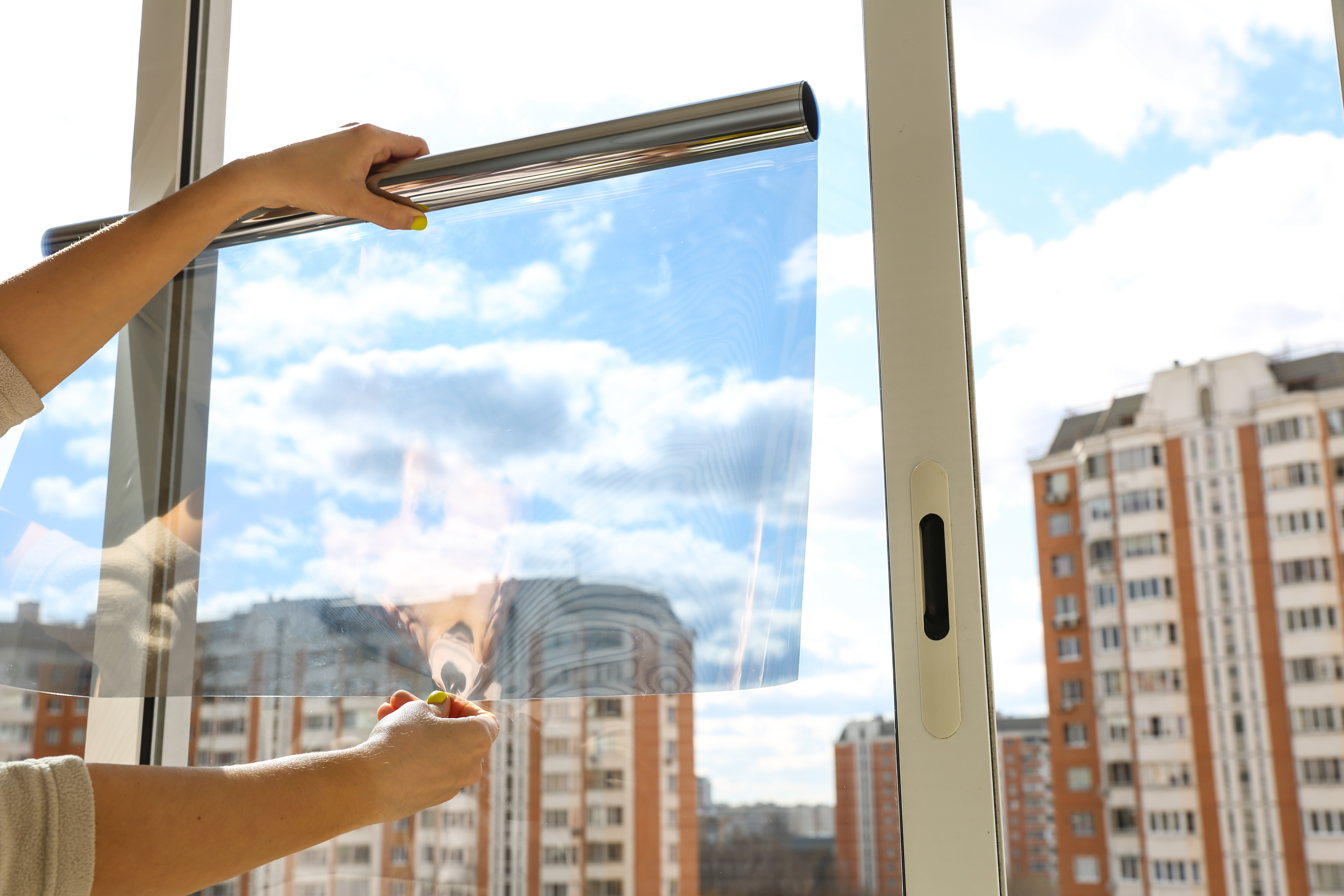
One drawback is that window film can reduce the amount of natural light entering a room, particularly if you opt for a darker or more opaque film. Additionally, if not installed properly, window film may develop air bubbles or wrinkles, affecting its appearance. Over time, certain types of window film may also experience discoloration or peeling. Moreover, certain window films can interfere with wireless signals, such as Wi-Fi or cellular reception. Careful consideration of these potential drawbacks is essential when deciding whether window film is the right choice for your home.
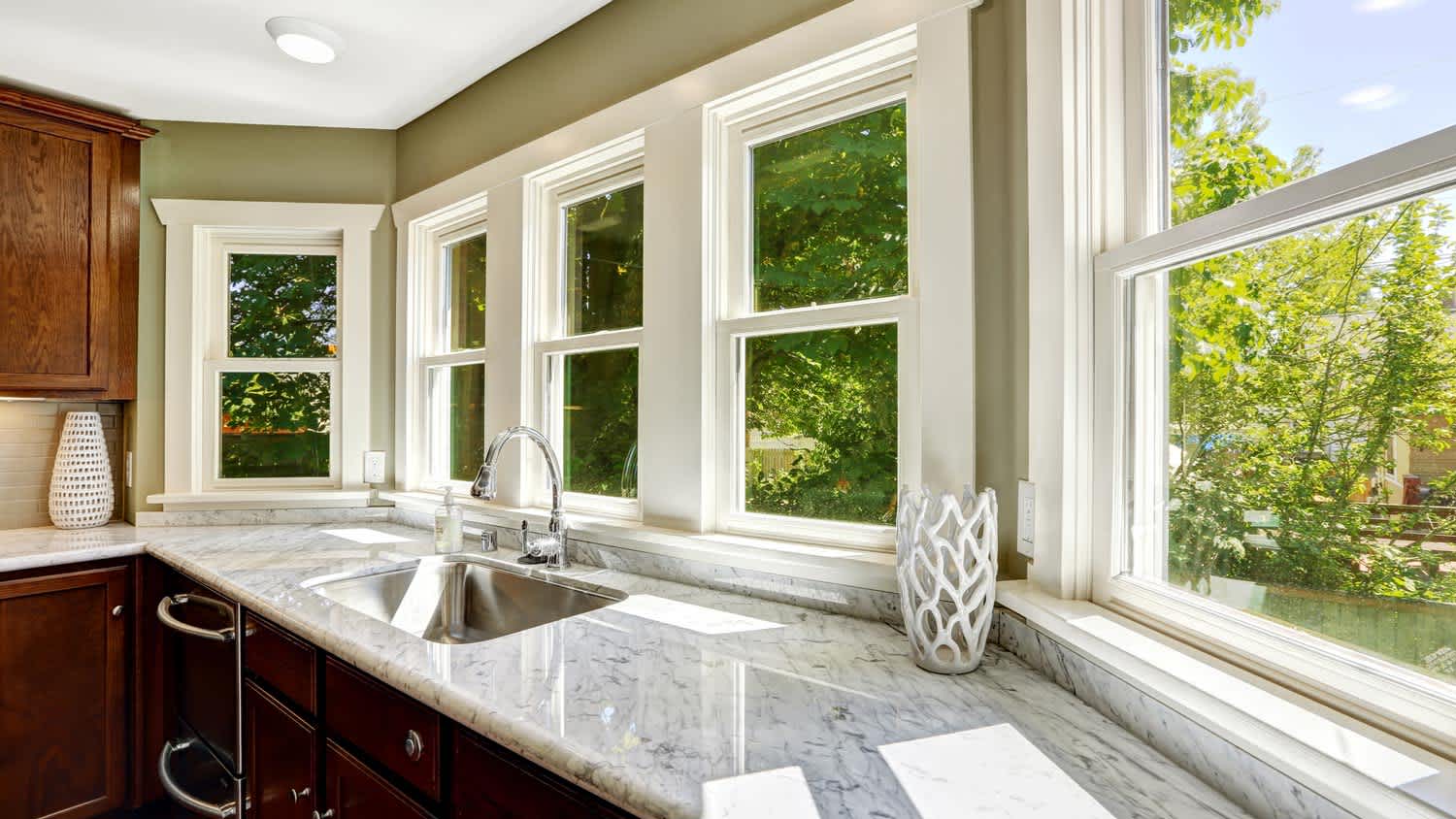
ENERGY STAR®-certified windows are the most energy-efficient windows on the market. This certification means that the window meets strict efficiency guidelines set forth by the Environmental Protection Agency. While they might cost more upfront, they can save you money on your energy bills in the long run. ENERGY STAR®-certified windows lower household energy bills by an average of 12% annually.
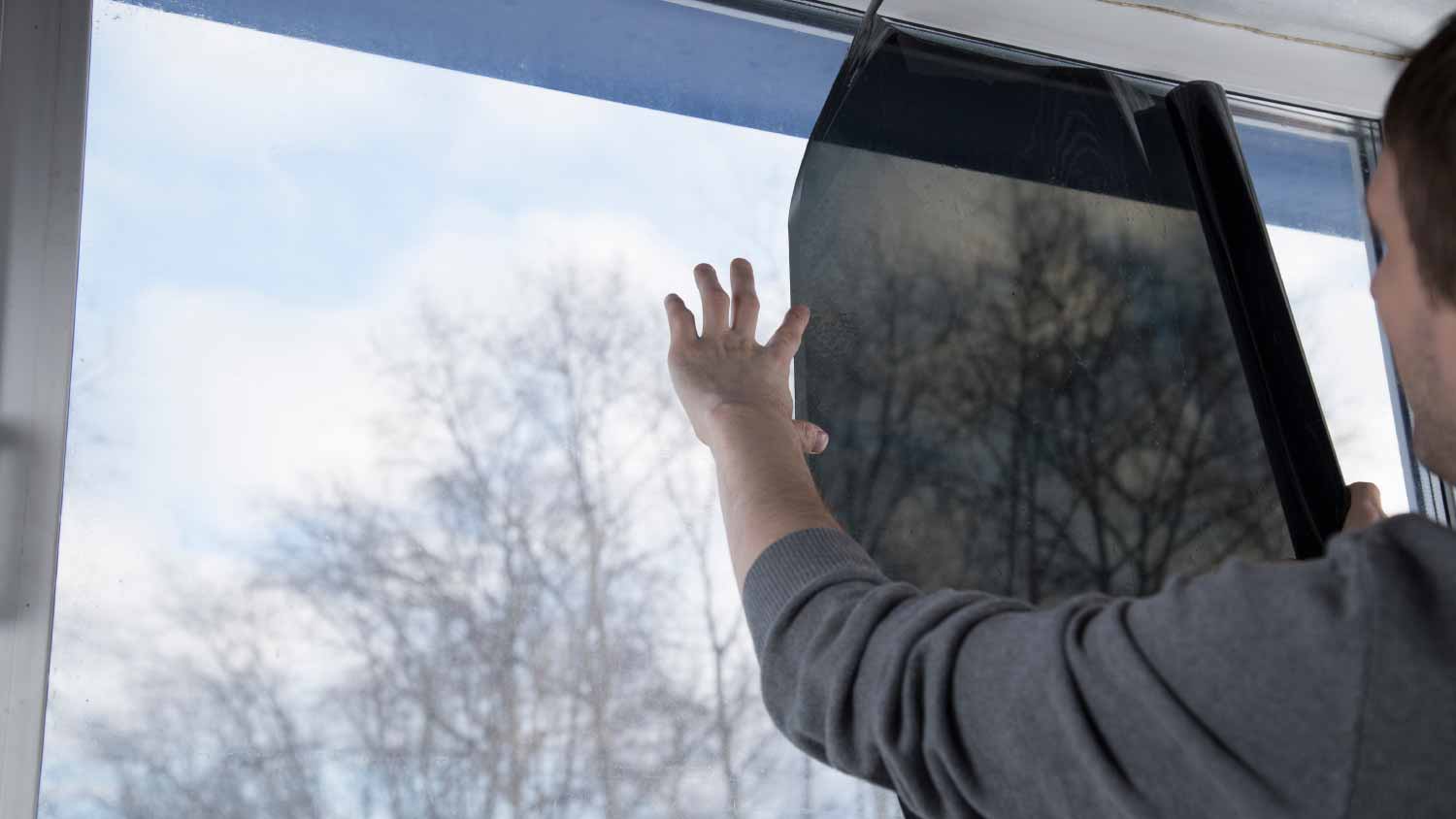
While you need heat to peel back window film, the tint will often leave behind adhesive residue. You can use chemicals such as isopropyl alcohol or acetone to remove the residue, though hardware stores sell specialized solutions for this purpose as well. You can also use soapy water in a pinch!
The Mendota, CA homeowners’ guide to window tinting services
From average costs to expert advice, get all the answers you need to get your job done.
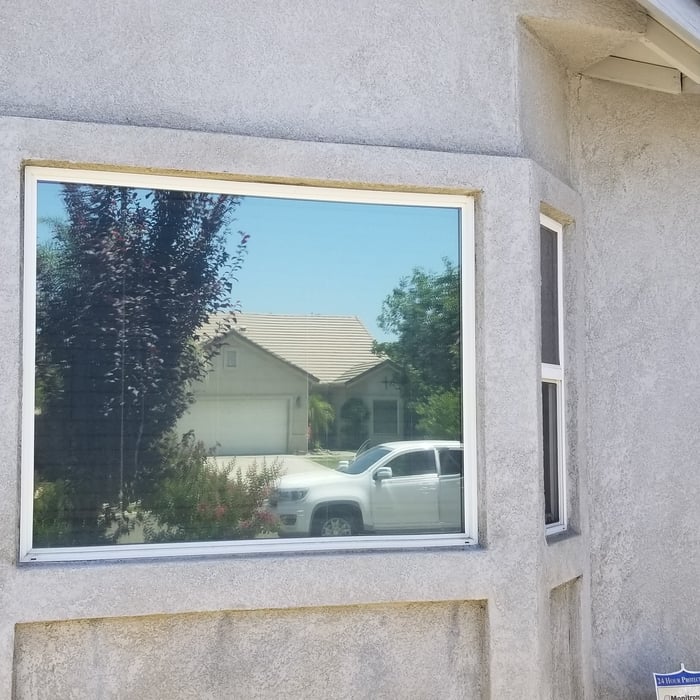
Tinting your home’s windows can add privacy, increase energy efficiency, and block damaging UV rays. Find out who tints home windows so you can hire the best.