


Top-rated fence painters.

Best fence painters near Madera, CA

Enter your zip and get matched with up to 5 pros

Need a pro for your fence painting project in Madera, CA?

Select your specific project to find the pro for you.

TRUSTED BY MADERA, CA HOMEOWNERS

  • Average homeowner rating star icon4.6
    Average homeowner rating
  • Verified reviews icon138
    Verified fence painting services reviews

Top-Rated Fence painters in Madera - Updated Nov 2026

No results for Fence painter in

Try adjusting your search criteria.
Fence Painting FAQs, answered by experts

There are several ways to make a wooden fence more visually appealing and keep it that way for years to come.

  • Treat the fence with a wood sealant to protect it against the elements. It’s recommended to reseal a fence every two to three years, but if you live in a harsh climate, you may want to do it more frequently than that.

  • Restore the fence if it’s old, corroding, or fading. That includes cleaning it and making small repairs where needed.

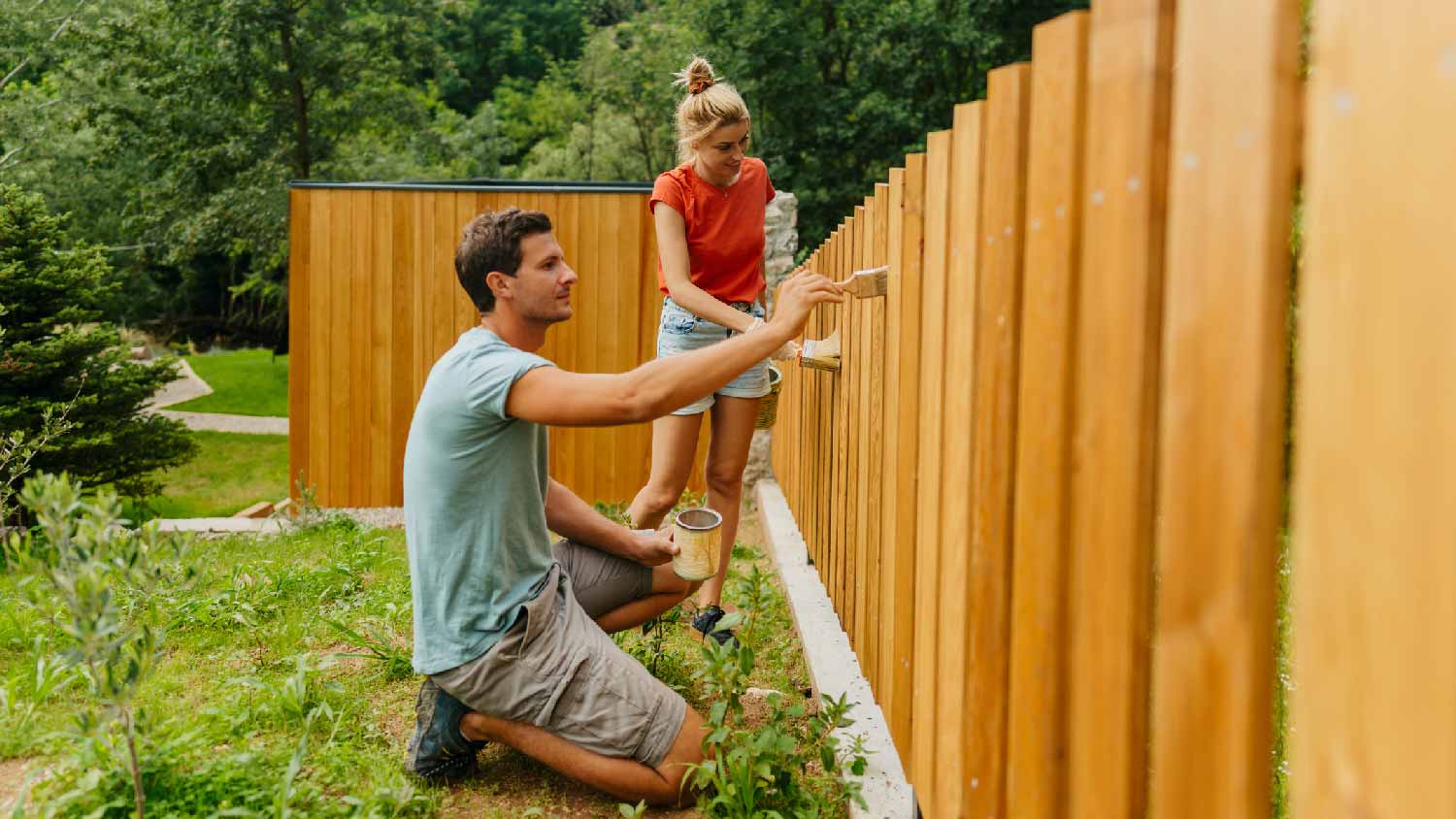
  • Paint the fence in a color that you like, whether that’s a simple white or more vibrant option. Fences usually need to be repainted every one to three years.

  • Decorate the fence with planters, string lights, birdhouses, mirrors, shutters, and more.

The longevity of paint on wood depends on factors like the quality of the paint, surface preparation, exposure to elements, and maintenance. Exterior paint on wood surfaces can last 5 to 15 years or more with proper care and maintenance. Interior paint tends to have a longer life span, often 10 years or more. Regular cleaning, touch-ups, and addressing any issues like peeling or cracking can extend the life of the paint. 

Staining pressure-treated wood is a recommended practice. While inherently resilient, it's not impervious to moisture and UV exposure. Staining treated wood is feasible and recommended for enhanced protection and longevity. Applying stain and sealant safeguards against degradation, prolonging its life span. These measures shield the wood from environmental threats while augmenting its aesthetic appeal, ensuring your investment endures the test of time.

Limewash and whitewash are two techniques used to give brick a light, matte finish, but they differ in composition, application, and permanence. The best choice depends on your aesthetic goals and the specific surface.

Composition

  • Limewash: A natural and environmentally friendly option made from limestone, water, and sometimes pigments. It is breathable and soaks into porous surfaces like brick.

  • Whitewash: Traditionally made from lime, water, chalk, and binders, but a similar look can be achieved with watered-down white paint. It is paint-based and sits on top of the surface.

Appearance and Finish

  • Limewash: Provides a natural, textured appearance that allows the brick's character to show through. It offers a more traditional finish.

  • Whitewash: Creates a softer, more opaque finish, often used for a rustic or shabby-chic style.

Application and Permanence

  • Limewash: Is semi-permanent and can be removed, making it a good choice if you might want to change the look in the future. It requires more skill to apply and cannot be used on previously painted brick.

  • Whitewash: Is a more permanent solution. It is more forgiving to apply and can be used on painted brick. However, because it sits on the surface, it can trap moisture.

Ultimately, if you want a breathable, natural, and reversible finish for unpainted brick, limewash is a great option. If you need a more permanent, opaque coating that can be applied over painted surfaces, whitewash is the better choice. Whitewashing may also be more economical, costing approximately $1.40 to $4.20 per square foot.

Typically, a fence requires one to two coats of stain. The exact number can vary depending on the porosity of the wood. For specific guidance, it's best to check the manufacturer's instructions. After applying the first coat and letting it dry completely, you can assess the finish. If it appears patchy, uneven, or you want a more saturated color, a second coat is recommended. An extra coat can also help cover lap marks.

The Madera, CA homeowners’ guide to fence painting services

From average costs to expert advice, get all the answers you need to get your job done.