






Top-rated energy efficiency auditors.

Get matched with top energy efficiency auditors in Madera, CA

Enter your zip and get matched with up to 5 pros

Need a pro for your energy efficiency auditing project in Madera, CA?

Select your specific project to find the pro for you.

Find Energy efficiency auditors in Madera

Avatar for Mega Power Electric, Inc
Mega Power Electric, Inc
5.0(
191
)
Energy Audit - For BusinessHome Energy Audit

Serving Madera, CA and surrounding areas

In business since 2000

Free estimates

Emergency services offered

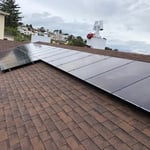
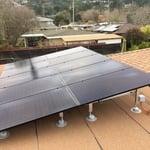
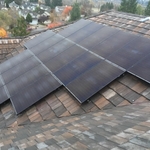
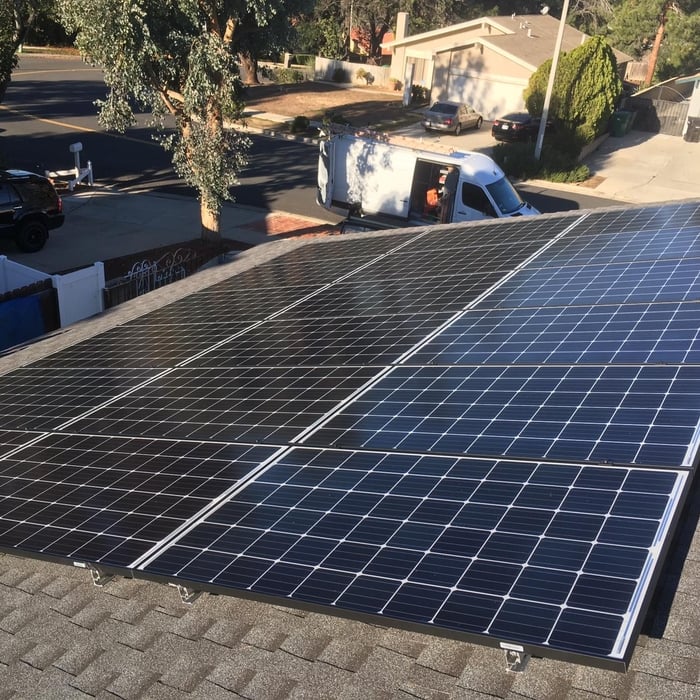
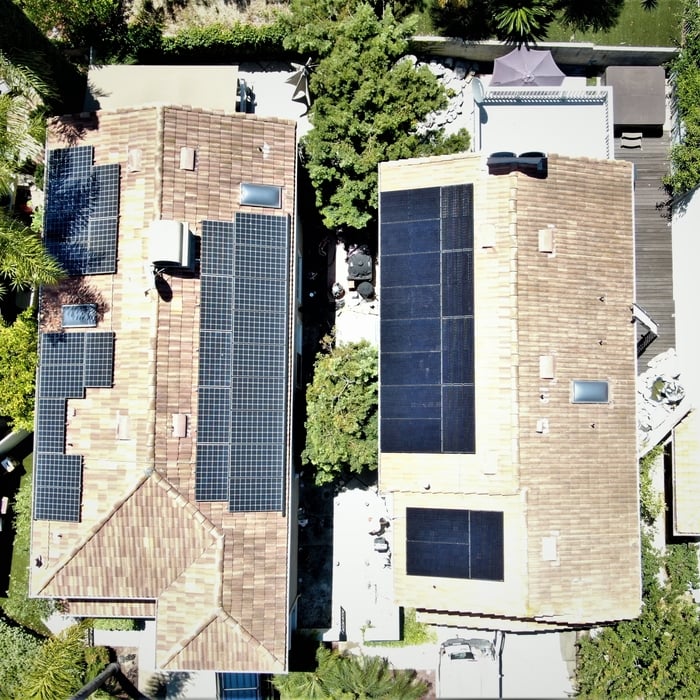
"We recently had Mega Power Electric Inc install a solar system and panels. The President and provided excellent communication all the way through the process. He even met with us after installation to explain the almost incomprehensible PG&E bill. Although not the least expensive bid, his was competitive and I felt he was as interested in educating me about solar and the various types of panels and inverter systems as he was in selling a system. He demonstrated how the array of panels would meet our energy needs and as opposed to some of the other companies, wasn't selling us more than we needed. We are very satisfied with our solar system and I highly recommended Mega Power Electric Inc."
Additional Photos
Additional Photos
Additional Photos
Additional Photos
Additional Photos

+32

Recommended by100%of homeowners
Avatar for Martin Energy Consulting, Inc.
Martin Energy Consulting, Inc.
5.0(
7
)
Home Energy Audit

Serving Madera, CA and surrounding areas

In business since 2018

Free estimates

Offers commercial services

"They did a really good job and answered all my questions. He knows the business and overall it was the best experience with him. They are pretty good with the installation and everything looks very clean."
Response time30 mins
Response rate88%
Recommended by100%of homeowners
Avatar for Slingshot Power
Slingshot Power
4.7(
3
)
Energy Audit - For BusinessHome Energy Audit

Serving Madera, CA and surrounding areas

In business since 2012

Free estimates

Credit card accepted

"The entire process went smoothly. Begin with a system quote from Paul Sherer with a design layout, followed by a feasibility study of the roof and where the panels are to be installed. I have a metal tile roof and the previous solar vendor actually rejected the project. Slingshot first installed the 240v outlet and that took 2 people a whole day to complete, as my electric panel is at the other side of the house from the garage. The panel installation took another 2 days that included the interconnect, upgrading the breakers on the panel. The staff was professional, courteous and focus on doing the job right. Then the city inspection and followed by submitting the application to PG&E. The approval took only 3 days which was a pleasant surprise. Slingshot came out to install a CDD so I can monitor the performance and output of all 13 panels. Not only the project completely very smoothly and on time, the final price I paid is exactly what was quoted from day 1. Now that my electric car is here, I think I can recover the cost within 2 years."

Recommended by100%of homeowners
Showing 1-10 of 29
Energy Efficiency Auditing questions, answered by experts

There are energy-efficient options when building a cottage. Select green building materials, high-performance insulation, and energy-efficient windows when designing your cottage. Options such as solar panels, efficient HVAC systems, and LED lighting can lower your utility bills and reduce your environmental impact. Many builders offer energy-efficient upgrades as part of the design process.

STC (Sound Transmission Class) is a rating that describes how well a building material or assembly blocks airborne sound. A higher STC rating means less noise will pass through the material, providing better sound reduction. This rating system applies to various building components, including windows, doors, flooring, drywall, and insulation.

For context, a typical single-pane window has an STC rating of around 25 (where normal conversations are audible), while a well-sealed, double-pane window can exceed STC 45 (blocking loud speech and most music). It is important to note that for some products, like soundproofing drywall, the STC rating refers to the entire wall system, not just the individual panel.

Additionally, STC ratings are most effective for measuring sound reduction at mid-to-high frequencies, such as human speech, and may not accurately reflect how well a material blocks low-frequency sounds like bass music or thunder. Because of these factors, it is recommended to consult a professional to determine the right STC-rated materials for your specific soundproofing needs.

Energy-efficient windows are judged on their performance according to a few different factors, including heat transfer, air leakage, light transference, and condensation resistance. If you're unsure whether a window is energy-efficient, look for an ENERGY STAR® label from the U.S. Environmental Protection Agency (EPA). If various products, including windows, meet energy-efficiency standards set by the federal government, the EPA issues this label to help consumers identify energy-efficient products.

Setting your AC unit to 78 degrees can, indeed, help you save energy. In fact, according to experts, every degree you turn the unit up could save you between 1% and 3% on your energy bills. That said, turning your unit off entirely while you’re out might actually be less efficient than keeping it on at a higher temperature. Why? The unit will need to work extra hard to cool the house back off again after all those hot hours. 

To determine the right size generator for your house, you should calculate the total wattage of the appliances and devices you want to power during an outage. List all essential items, note their start-up wattages, and add them together.


Here are some typical wattage requirements for common appliances:

  • Refrigerator: 600 watts

  • Large dehumidifier: 700 watts

  • Large window air conditioner: 1,400 watts

  • Water heater: 3,000 to 4,500 watts

  • Electric furnace: 5,000 to 25,000 watts

A 7,500-watt generator might be sufficient for essentials like a refrigerator, freezer, well pump, and lighting circuits. However, for high-demand items like a water heater or furnace, a whole-home generator is a better choice. A portable generator may be enough if you only need to power a few critical items.

While home square footage can offer a rough estimate, it is not always a reliable indicator. For reference, here are some typical generator sizes based on square footage:

  • 1,000 sq ft: 6–9 kW

  • 1,500 sq ft: 7–10 kW

  • 2,000 sq ft: 10–14 kW

  • 2,500 sq ft: 12–16 kW

  • 3,000 sq ft: 16–20 kW+

For the most accurate sizing, consult a professional who can calculate your home's peak and average power consumption and recommend the optimal generator.

The Madera, CA homeowners’ guide to energy efficiency auditing services

From average costs to expert advice, get all the answers you need to get your job done.