Top-rated landscapers.

Get matched with top landscapers in Lower Lake, CA

Enter your zip and get matched with up to 5 pros

Need a pro for your landscaping project in Lower Lake, CA?

Select your specific project to find the pro for you.

TRUSTED BY LOWER LAKE, CA HOMEOWNERS

  • Average homeowner rating star icon4.5
    Average homeowner rating
  • Verified reviews icon18
    Verified landscaping services reviews

Find Landscapers in Lower Lake

ANDROS EXCAVATING INC.
New to Angi
Landscape - Minor Grading or Resloping

Serving Lower Lake, CA and surrounding areas

Approved

In business since 2020

Free estimates

Credit card accepted

We take great pride in our experience, expertise, quality, and customer service that we provide to meet the consumer's custom needs. It is our mission to provide excellent workmanship and complete customer satisfaction from start to completion of a project. In order to understand the needs and expectations of our customers, we take great care to work and communicate with every customer in a professional manner. Our reputation is based on service, safety, and quality, regardless of how large or small the job.

2 neighbors recently requested a quote
Raya Engineering
New to Angi
Landscape - Minor Grading or ReslopingLandscape - Minor Grading or Resloping - For BusinessRetaining Wall - Install

Serving Lower Lake, CA and surrounding areas

Approved

In business since 2011

Free estimates

Emergency services offered

Here at Raya Engineering, we sustain our company on the principal that our customers come first. We offer services that are tailored to your needs and we're ready to show you what our experience can bring to your project! Call us today!

...
Showing 1-10 of 129
Landscaping questions, answered by experts

The average cost for landscaping is around $3,500, but prices can range from as low as $200 for simple DIY projects to $14,000 or more for extensive work. Several factors influence the final price, including your geographic location, yard size, project scope, chosen materials, site preparation, and the type of landscaping involved. Professional landscaper labor costs typically range from $50 to $100 per hour.

For a smaller budget, you can focus on softscaping projects like adding mulch, flowers, and shrubs, which might only cost a few hundred dollars if you do the work yourself. A budget of around $5,000 could cover projects like a simple patio, new plants and tree trimming, or a water feature. More extensive hardscaping projects, such as pergolas, patios, and walkways, can push the budget to $14,000 or more. For example, a flower bed installation averages between $800 and $3,000, while landscape lighting installation can cost from $2,000 to $6,000.
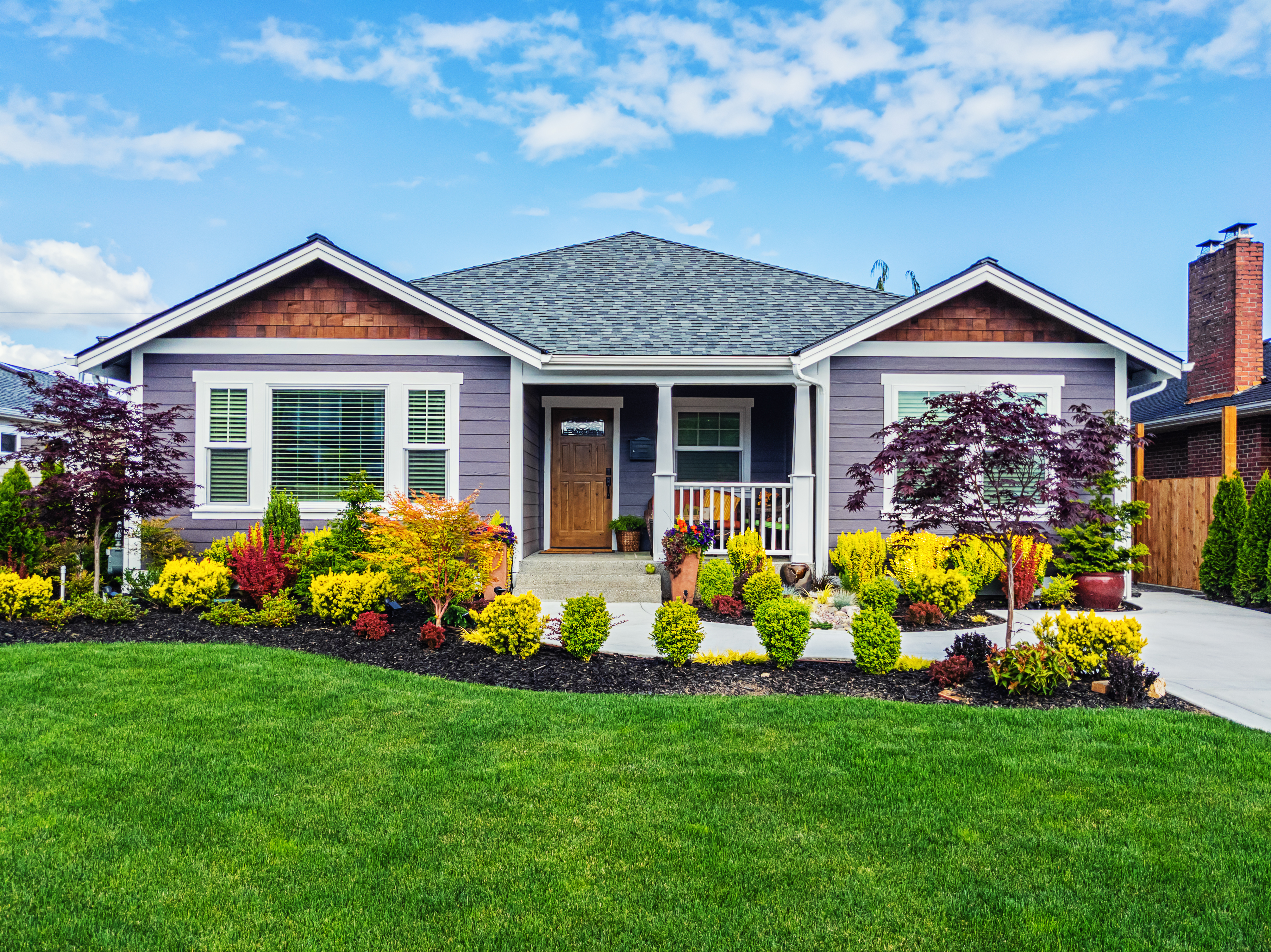
You should plant trees at least 15 to 20 feet away from your house, and more if the tree will grow large and spread its limbs. Trees pose several dangers to houses when planted too close. They can litter the roof with leaves and branches, create fire hazards, make a ladder for larger pests, and even damage the foundation as their roots grow.
The soil around your foundation should slope down and away from your home, not toward it. If the grading drops the farther you are from your home, you can enhance the slope by removing more soil. Mark off a few feet from your house and dig up some of this soil. Regrading around your fountain should encourage water to flow away from your home and not collect or “pond.”

Unless it only rains once in a blue moon where you live, you’re going to want water-loving plants in your garden bed or pot. A few ideas for plants that aren’t super fast-growing (meaning they’re good in pots or near foundations) and can handle a lot of standing water include: 

  • Acorus (Sweet flag)

  • Colocasia esculenta (Taro or elephant ear): In many climates, these are annuals, making them less desirable because you need to adjust the chain again after each replant.

  • Equisetum scirpoides (Dwarf horsetail rush): non-dwarf varieties of horsetail are fast growers and can take over quickly.

  • Juncus effusus (Curly rush)

  • Osmunda regalis (Royal fern): Royal fern can grow quickly but can also handle being crowded, making them good container plants.

It depends. Smaller, younger trees take longer to mature, but they're more resilient, their roots don't get as damaged during transplanting, and they recover faster. Plus, they're much more affordable to plant, and it's possible to DIY the planting. 

On the other hand, mature trees produce fruit faster and provide more shade and privacy immediately. Ideally, a small or medium tree is the better choice if you can wait a few years for it to mature. But if you need immediate maturity, a larger tree is the only option.

The Lower Lake, CA homeowners’ guide to landscaping services

From average costs to expert advice, get all the answers you need to get your job done.