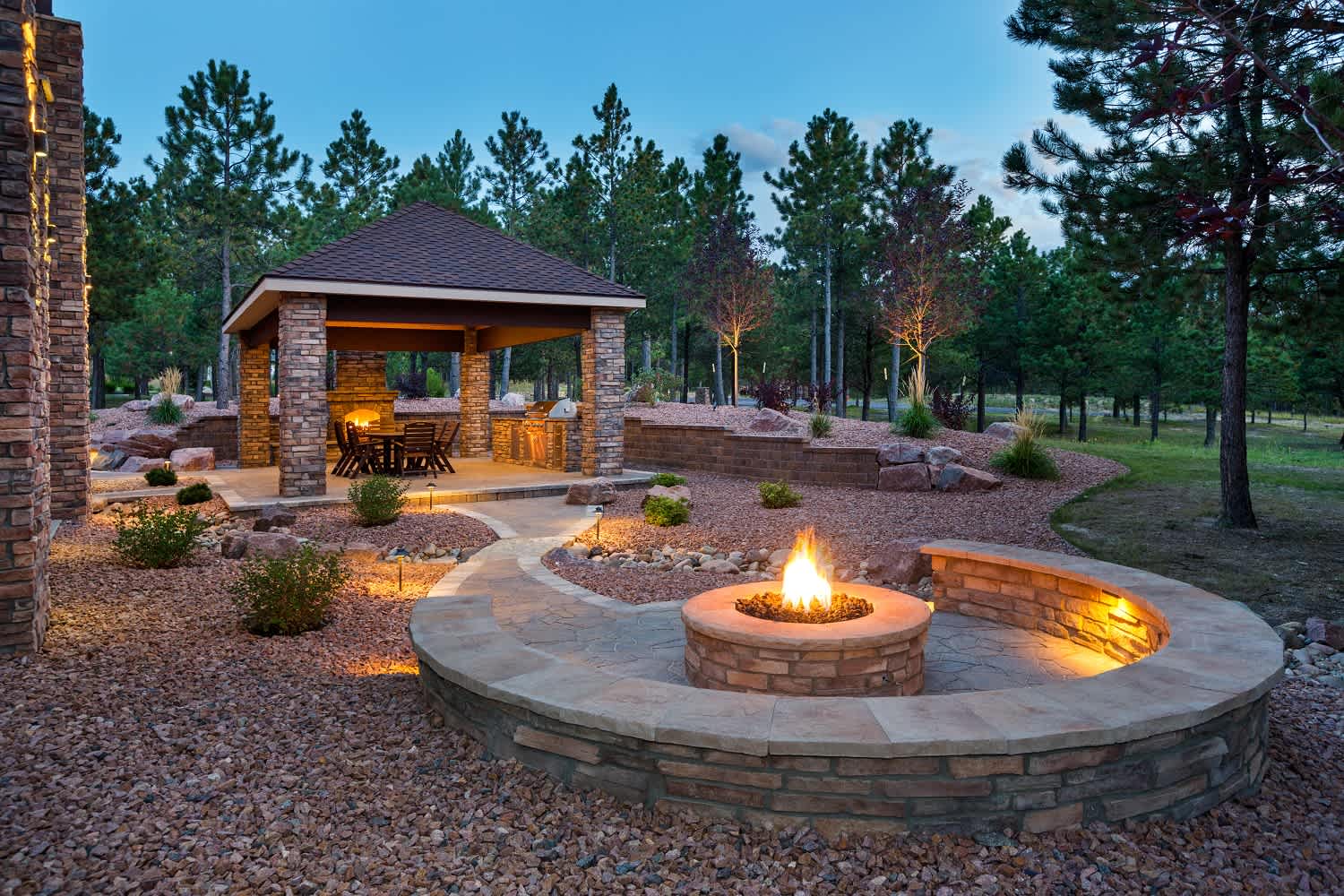




Top-rated fire pit installation pros.

Get matched with top fire pit installation pros in Inverness, CA

Enter your zip and get matched with up to 5 pros

Need a pro for your fire pit installation project in Inverness, CA?

Select your specific project to find the pro for you.

TRUSTED BY INVERNESS, CA HOMEOWNERS

  • Average homeowner rating star icon4.7
    Average homeowner rating
  • Verified reviews icon41
    Verified fire pit installation services reviews

Find Fire pit installation pros in Inverness

No results for Fire pit installation pro in

Try adjusting your search criteria.
Fire Pit Installation questions, answered by experts

Shiplap can be safe for a gas fireplace, but you should consult with a fireplace installation pro before proceeding. You need to make sure your project meets building and safety codes since shiplap is made from flammable wood. You may need to install another non-combustible material, like stone or brick, around the fireplace for a certain amount of space before you can add shiplap.

You should have either an ABC or K-rated fire extinguisher in the kitchen. ABC fire extinguishers put out wood, trash, paper, plastic, and textile fires along with grease, oil, gas, kerosene, and electrical fires. A class K fire extinguisher is specifically rated for use in the kitchen and is designed to extinguish combustible cooking materials, including grease and fat. 

Yes. Not only do gas stoves present the risk of a gas leak, but cooking with gas produces twice as much harmful particulate matter. According to Columbia University’s Climate School, gas stoves can also release formaldehyde, a known human carcinogen, and carbon monoxide, which can be toxic in high concentrations.

Yes, spider webs are flammable, taking them from minor household nuisance to something more dangerous. Silk boasts no built-in resistance to fire, though it takes an abundance of spider webs to actually catch fire and spread. A cobweb here and there poses no major fire safety risk, so it’s not a cause for concern.

Chimneys should either be sealed or waterproofed, which is different from sealing off—closing at both ends—a chimney. Waterproofing and sealing are both crucial steps to take to prevent water damage and the chimney leaking inside the house. While waterproofing is more comprehensive, both help safeguard your chimney, extending its life span and preventing expensive repairs. 

The Inverness, CA homeowners’ guide to fire pit installation services

From average costs to expert advice, get all the answers you need to get your job done.