"I bought the FrontPoint system after reading stellar reviews on Angies List. My experience has been excellent. It really was as simple to install as they said -- you basically plug it in and place your door/window monitors. I like that there was no wiring involved. The rep on the phone gave excellent service and answered all my questions I was impressed I got to speak to the same rep every time, not someone different. I put "0" for the cost because I don't remember. It was not expensive, and very cost competitive to other providers. Also, you can easily scale the system up or down, depending on your needs. "
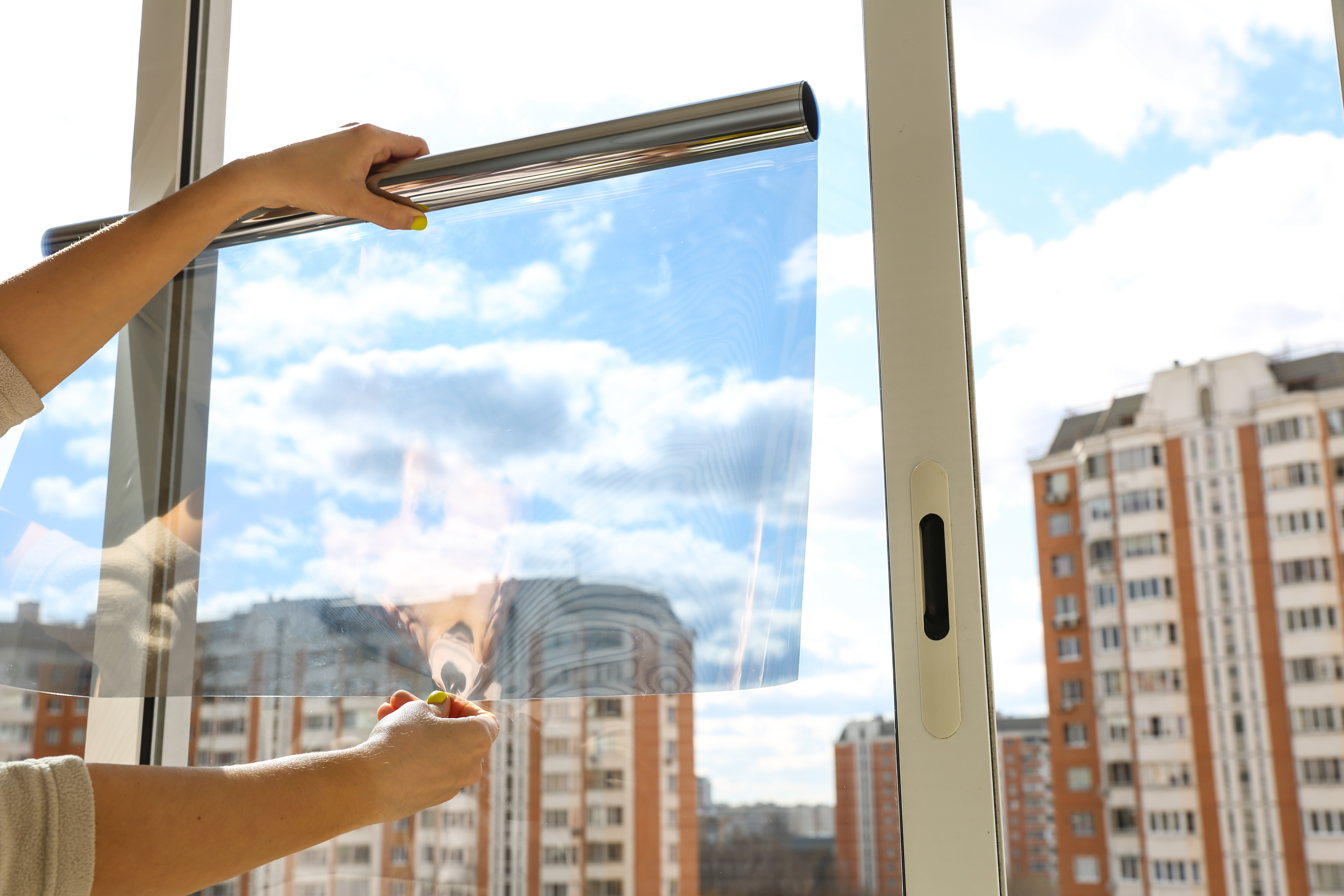
The ideal thickness of window film depends on various factors and specific needs. Thicker films generally offer increased durability and enhanced security benefits. They are also typically more effective at reducing heat and blocking UV rays. However, thinner options may be preferable for some applications, such as decorative or privacy films. Thinner films are easier to apply and provide adequate privacy without compromising visibility. Ultimately, the best thickness of window film will depend on your specific requirements, desired benefits, and the recommendations of professional installers.
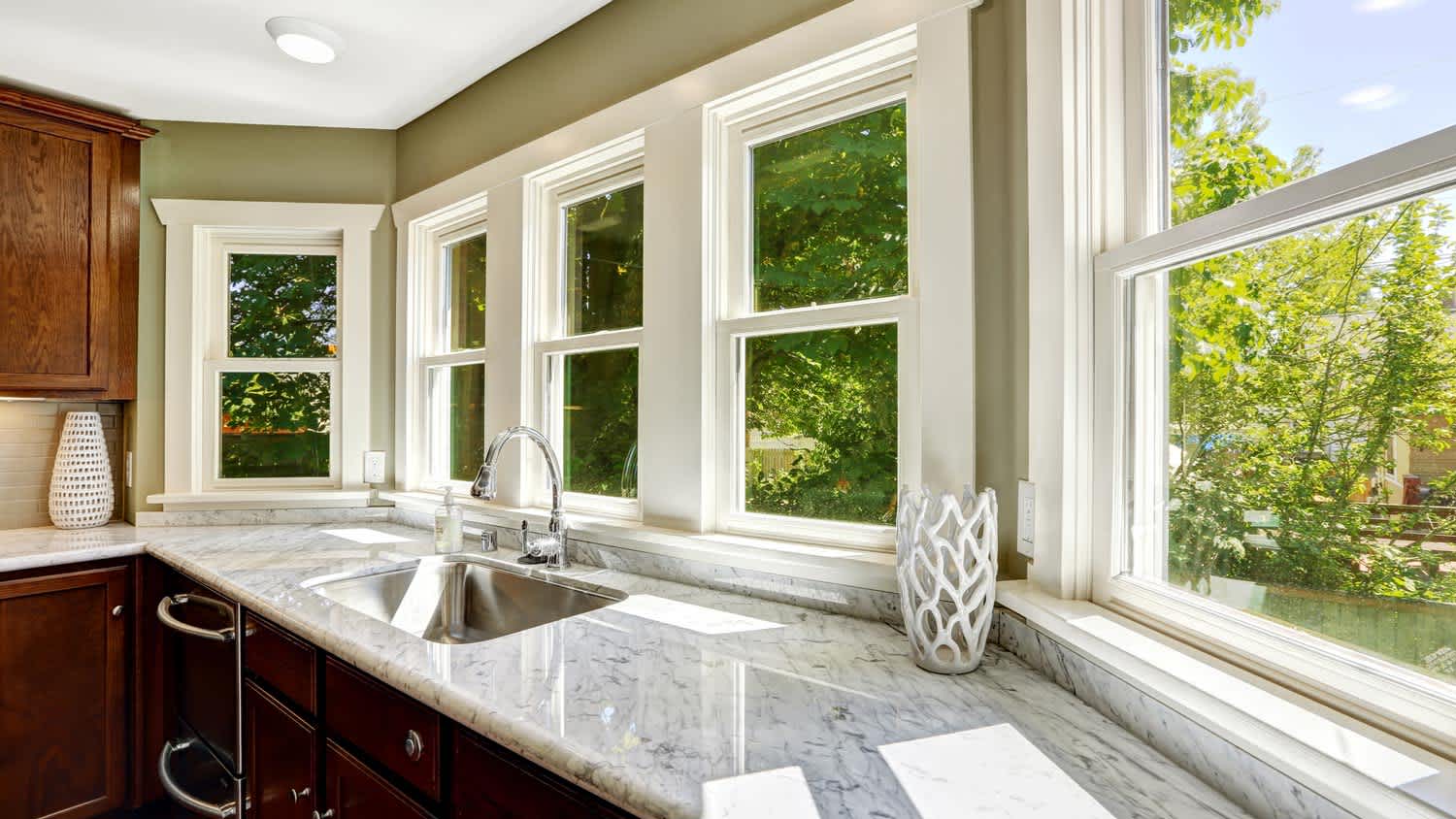
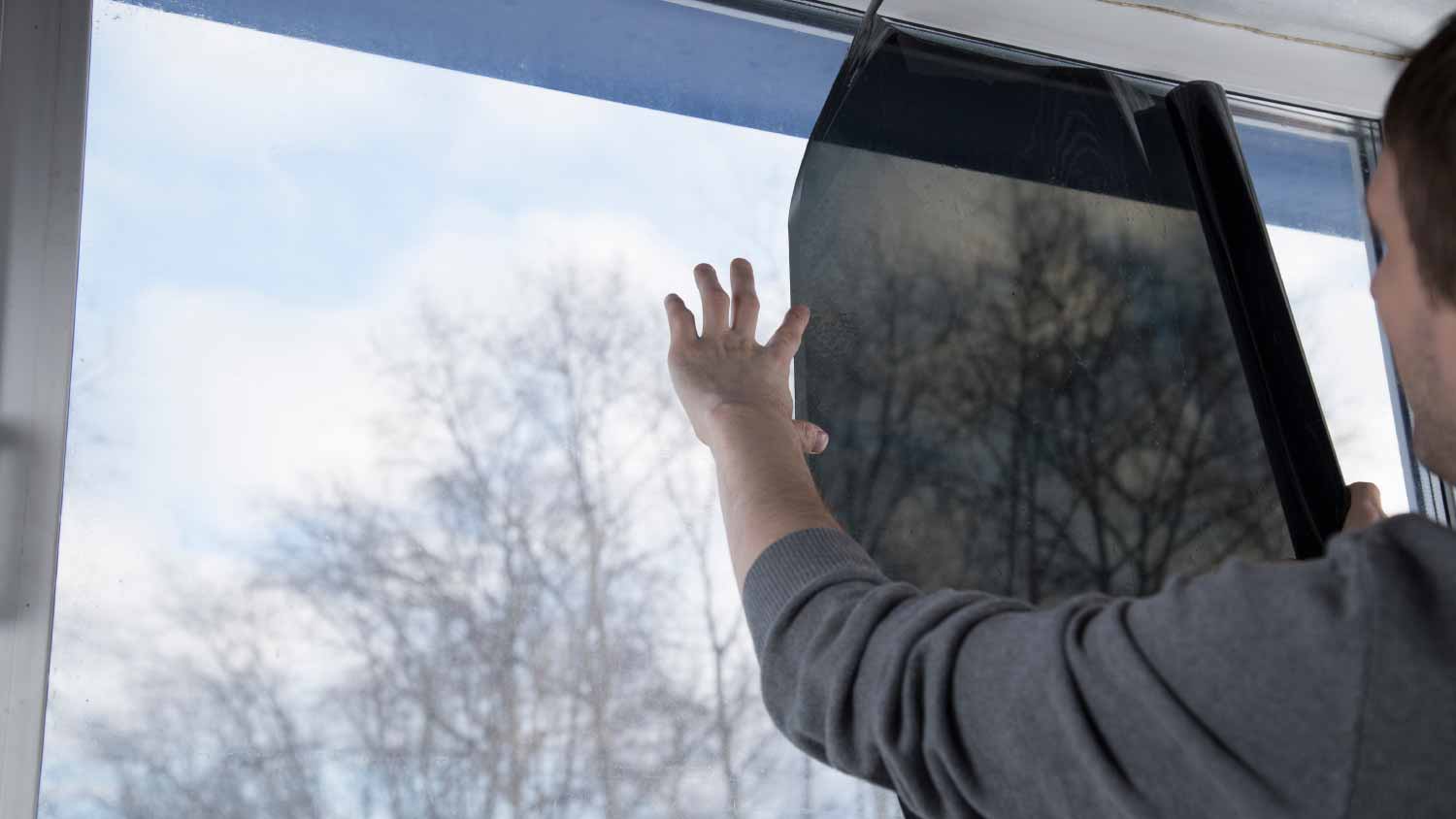
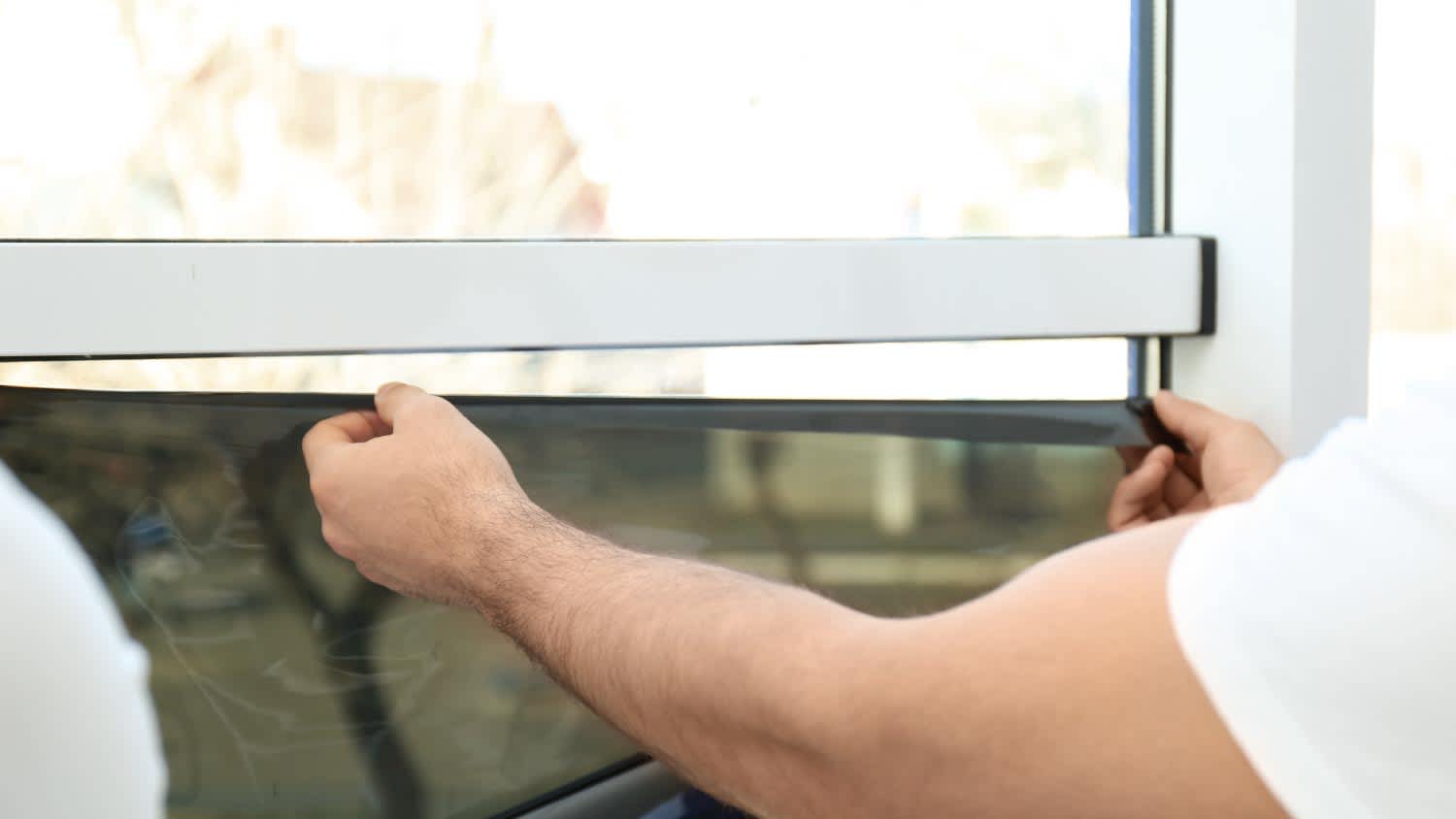
Home window tinting is generally considered a worthwhile investment due to its numerous benefits. The primary advantages include:
Energy Efficiency: Tinting reduces solar heat gain, which lowers cooling costs in warmer months. It can also help retain heat during cooler months, leading to savings on your electric bill that may eventually exceed the initial cost of the tinting.
UV Protection: It blocks harmful UV rays, protecting your family and pets from sun damage. This also prevents fading and extends the life of your furniture, flooring, and other interior furnishings.
Increased Comfort: By regulating heat, window tinting helps maintain a more comfortable and even temperature throughout your home. It also reduces glare on TVs and other electronic screens.
Enhanced Privacy and Security: Tinting makes it more difficult for outsiders to see into your home. Additionally, certain types of window films can increase security by helping the glass withstand trauma from break-in attempts or severe weather.
It's important to note that not all window tints offer the same combination of benefits. For example, security films are designed for impact resistance but may offer less UV protection, while ceramic tints excel at blocking heat and UV rays but do not provide the same level of security.
Window security film has a few key benefits that make it an enticing home improvement:
It’s much more affordable than shatterproof windows or hurricane windows.
It improves your home’s energy efficiency and can save money on heating and cooling bills.
It makes it harder to break into your home.
It helps prevent dangerous shattered glass after an impact.
You can tint it to provide additional protection from the sunlight.
While you need heat to peel back window film, the tint will often leave behind adhesive residue. You can use chemicals such as isopropyl alcohol or acetone to remove the residue, though hardware stores sell specialized solutions for this purpose as well. You can also use soapy water in a pinch!
Upgrade to double-glazed glass or apply energy-efficient coatings to reduce heat loss and utility costs.
The Hoopa, CA homeowners’ guide to window tinting services
From average costs to expert advice, get all the answers you need to get your job done.
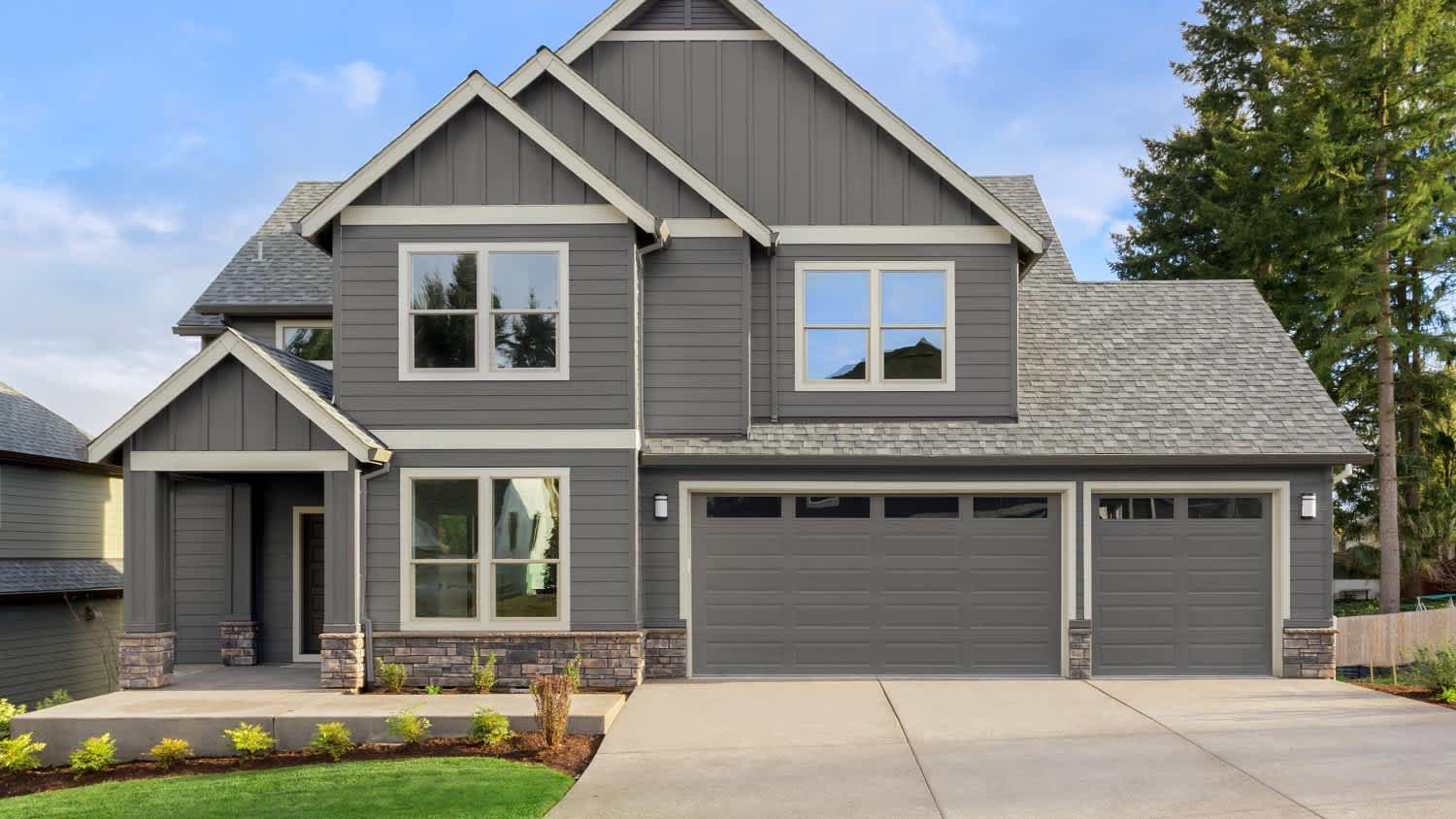
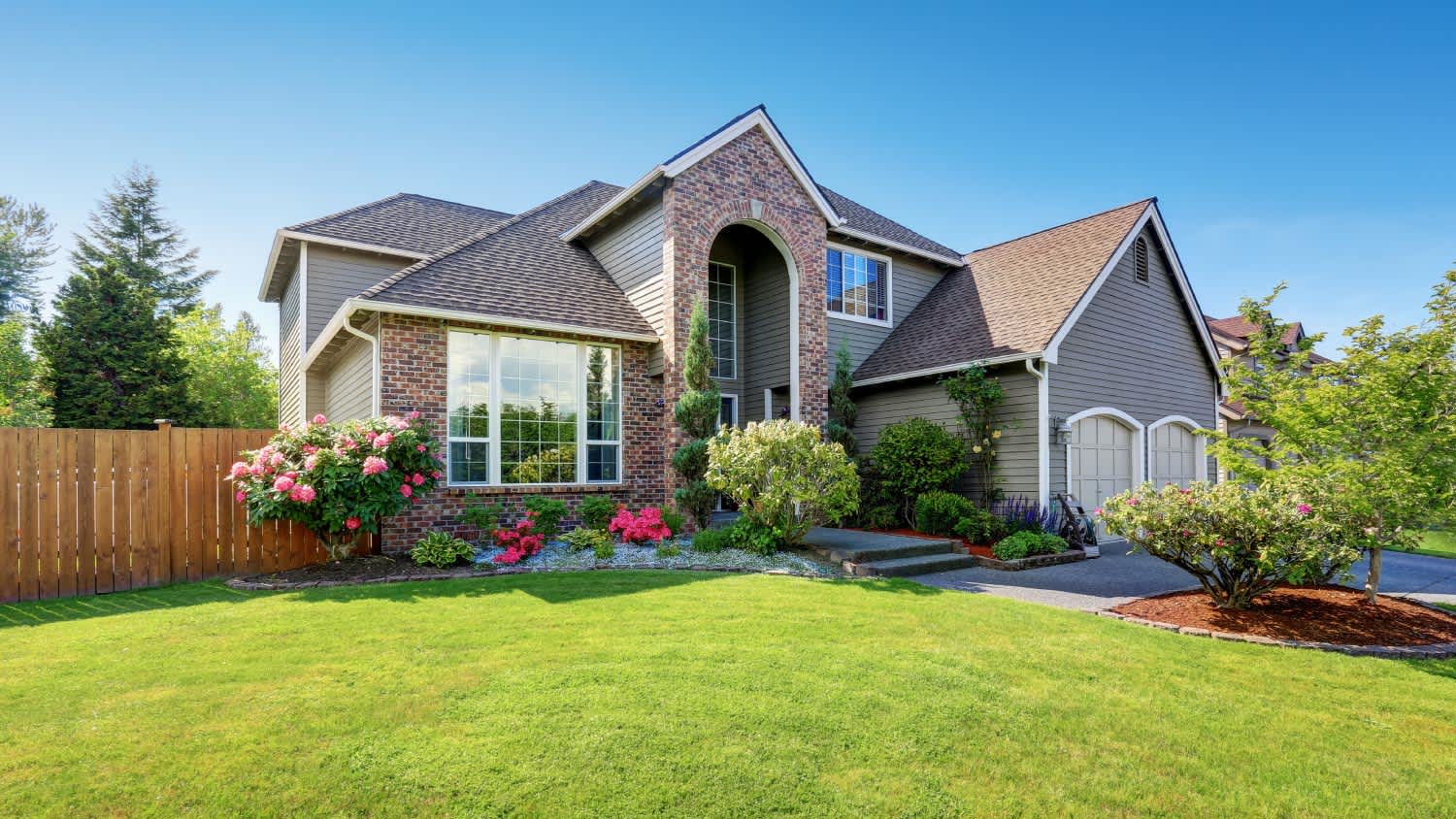
Can I tint my house windows? Home window tinting is a small upgrade that can yield major benefits. Here’s everything you need to know before taking the plunge.