

Top-rated window tinters.

Best window tinters near Crescent City, CA

Enter your zip and get matched with up to 5 pros

Need a pro for your window tinting project in Crescent City, CA?

Select your specific project to find the pro for you.

Top-Rated Window tinters in Crescent City - Updated Nov 2026

Avatar for Frontpoint
Frontpoint
4.7(
8,819
)
Window Tinting - Apply or Replace

Serving Crescent City, CA and surrounding areas

In business since 2007

Free estimates

Emergency services offered

"Pretty good deal for $100 up front. The 5 included sensors cover my doors/sliders. We were disappointed that the mobile app functionality isn't included with the base monitoring plan after the first month. And my bathroom door sensor only works half the time. They told us that the dog (a little mini-poodle) wouldn't set off the motion sensor but she does - so we don't ever use it which leaves us exposed if someone comes in thru a window. But for basic coverage at $35 a month its not a bad deal. I like that its cellular (no land line needed) and self-installation was easy with their excellent phone app. I may upgrade the system at some point with window sensors, glass break sensor, front door camera."
Recommended by93%of homeowners
Window Tinting FAQs, answered by experts

The average cost for home window tinting is around $600, with most homeowners paying between $150 and $1,600. Costs can also be calculated per square foot, typically ranging from $2 to $100, or per window at around $75 each. For example, tinting one or two windows might cost between $200 and $350, while a larger project of 13 to 15 windows could range from $4,124 to $4,747.

Several factors influence the total project cost, with the number and size of the windows being the most significant. Other key factors include the type, shade, and quality of the tint film, as well as labor costs. Additional treatments, such as low-emissivity (low-E) coatings, can also increase material costs.

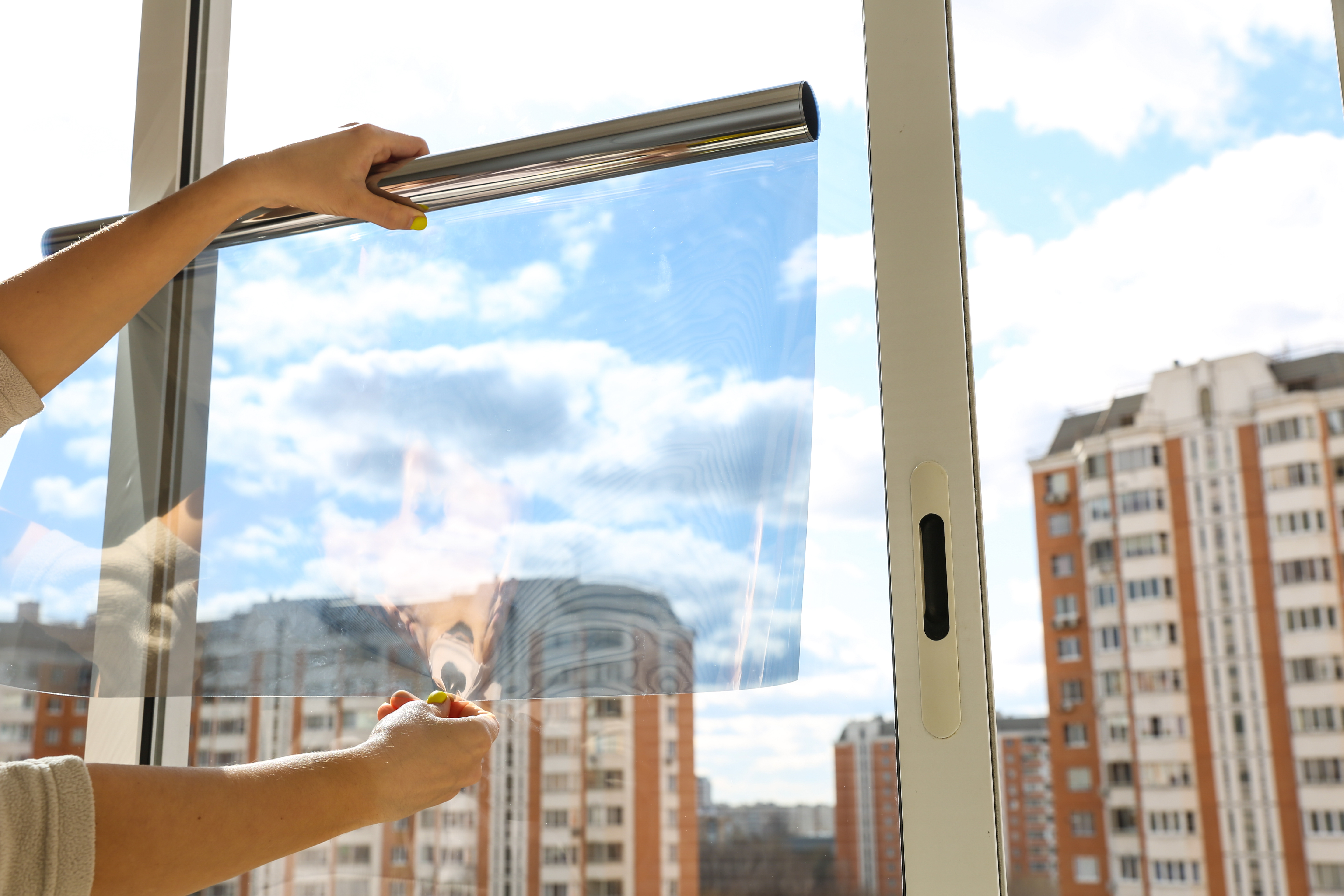
Window tinting offers several benefits, such as making your home more energy-efficient by blocking harsh sunlight, protecting furniture from fading, and increasing privacy. For this reason, many homeowners choose to tint only the windows in specific areas where direct sunlight and privacy are primary concerns.

Do not use Windex or any glass cleaner when applying window film. These products contain ammonia, which will damage the film. Instead, use the application solution provided with the installation kit. If there is no solution, make your own using 1 teaspoon of baby shampoo and a gallon of bottled water.

The most energy-efficient windows are double—or triple-pane windows with low-emissivity (Low-E) coatings and gas fills between the panes. These windows reduce heat transfer, prevent drafts, and help maintain a consistent indoor temperature. But if replacing windows isn’t in your budget, pairing your existing windows with insulating window treatments can still make a noticeable difference in home comfort and monthly bills. 

Use a combination of blackout methods to truly black out your windows. If you want to eliminate all light from your room, try installing a very dark tinted film and then putting up blackout shades over the entire window. Reach out to a professional and request some custom-made shades for the best result.  

Replacing a window frame will improve your home’s energy efficiency if the old frame is cracked or damaged in a way that allows unconditioned air from the outside into your living space or if you upgrade to a more energy-efficient window frame material. Aluminum is the least energy-efficient window frame material, followed by vinyl and wood. Fiberglass and composite frames are the most energy-efficient.

The Crescent City, CA homeowners’ guide to window tinting services

From average costs to expert advice, get all the answers you need to get your job done.