


Top-rated painters.

Get matched with top painters in Durham, CA

Enter your zip and get matched with up to 5 pros

Need a pro for your painting project in Durham, CA?

Select your specific project to find the pro for you.

TRUSTED BY DURHAM, CA HOMEOWNERS

  • Average homeowner rating star icon4.8
    Average homeowner rating
  • Verified reviews icon144
    Verified painting services reviews

Find Painters in Durham

L & S Painting Contractors - Facebook
4.3(
28
)
Exterior Home or Structure - Paint or Stain: LargeInterior Painting or Staining: 1 - 2 RoomsInterior Painting or Staining: 3 - 4 Rooms+1 more

Serving Durham, CA and surrounding areas

In business since 1973

Free estimates

Warranties offered

"Very fast and accurate. Day 1, accepted quote for painting interior of three bedroom house. Day 2, crew finished everything but the trim. Day 3, finished interior and gave me quote for exterior. Day 4, accepted quote. That afternoon they pressure washed the house. Today is day 5 and they are painting exterior. Offer very good value."
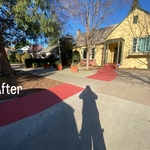
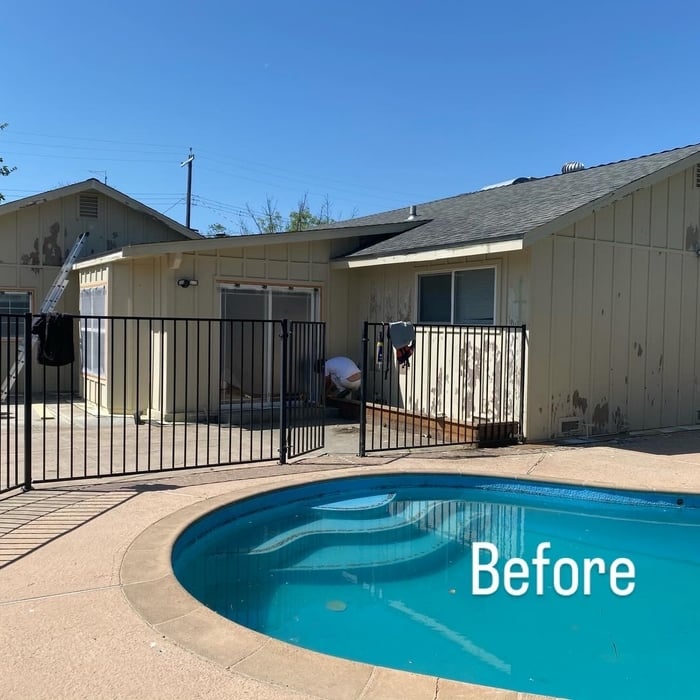
CANYON OAKS BEAUTY
WILDWOOD ESTATES
SPANISH HACIENDA
SHOPPING CENTER IN  REDDING
REDDING RETAIL CENTER

+3

Response time2 hrs
Recommended by92%of homeowners
...
Showing 1-10 of 63
Painting questions, answered by experts

Preparation includes cleaning the fence, sanding any rough areas, applying a primer if necessary, and ensuring dry weather for application.

Limewash and whitewash are two techniques used to give brick a light, matte finish, but they differ in composition, application, and permanence. The best choice depends on your aesthetic goals and the specific surface.

Composition

  • Limewash: A natural and environmentally friendly option made from limestone, water, and sometimes pigments. It is breathable and soaks into porous surfaces like brick.

  • Whitewash: Traditionally made from lime, water, chalk, and binders, but a similar look can be achieved with watered-down white paint. It is paint-based and sits on top of the surface.

Appearance and Finish

  • Limewash: Provides a natural, textured appearance that allows the brick's character to show through. It offers a more traditional finish.

  • Whitewash: Creates a softer, more opaque finish, often used for a rustic or shabby-chic style.

Application and Permanence

  • Limewash: Is semi-permanent and can be removed, making it a good choice if you might want to change the look in the future. It requires more skill to apply and cannot be used on previously painted brick.

  • Whitewash: Is a more permanent solution. It is more forgiving to apply and can be used on painted brick. However, because it sits on the surface, it can trap moisture.

Ultimately, if you want a breathable, natural, and reversible finish for unpainted brick, limewash is a great option. If you need a more permanent, opaque coating that can be applied over painted surfaces, whitewash is the better choice. Whitewashing may also be more economical, costing approximately $1.40 to $4.20 per square foot.

If you paint a vinyl fence, it will likely stick to it for only a brief amount of time. This is because vinyl is not a porous material, so it's not an ideal surface for holding paint. Initially, paint will stick to your fence, but it will eventually peel off. Applying primer before painting your vinyl fence will help paint last longer. Certain primers are well-suited to vinyl, which means you can paint vinyl siding with the proper preparation.

Yes, you can and should paint or stain pressure-treated wood to help prevent the boards from cracking. However, you must wait for the wood to dry out completely before applying any finish. Freshly treated wood can take weeks or even months to dry; a common recommendation is to wait three to six months. To check if the wood is ready, perform a simple water test: drip some water onto the surface. If the water beads up, the wood is still too wet and needs more time to dry. If the wood absorbs the water, it is dry enough to be painted or stained. You can proceed with building your deck or fence while the wood is still wet, but you will need to wait to apply the paint or stain.

Yes, you can paint a chain-link fence, but you don’t want to use spray paint. With the spray method, you’ll be losing a majority of your product to the air, given the size of the gaps in chain-link fences. Instead, use a paintbrush for your fence posts and a paint roller for the wire.

The Durham, CA homeowners’ guide to painting services

From average costs to expert advice, get all the answers you need to get your job done.