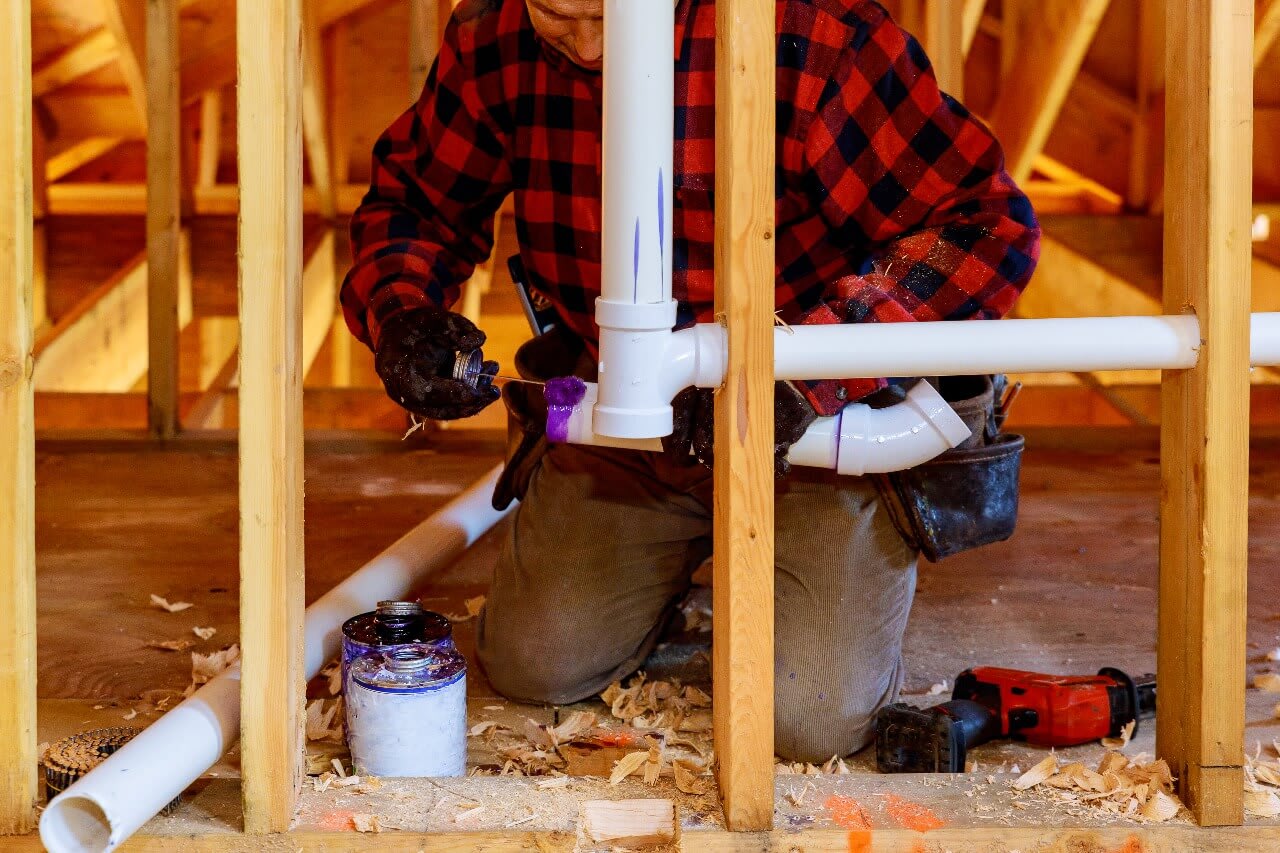
Hello, my name is Josiah Meade. I professionally work as a plumbing technician, but my business here is as a handyman. I am licensed for my area, and I can absolutely assist you in anything I am capable in doing, as well as providing connections to anything I am not.
We are committed to excellence in every aspect of our business. We uphold a standard of integrity bound by fairness, honesty and personal responsibility. Our distinction is the quality of service we bring to our customers. Accurate knowledge of our trade combined with ability is what makes us true professionals. Above all, we are watchful of our customers interests, and make their concerns the basis of our business.
\n
Costs depend on clog severity, pipe condition, equipment required, and labor.
Yes, hiring a drain cleaner is worth it, especially when compared to the cost of not being able to use a sink, shower, toilet, or bathtub and the potential damage that flooding can cause in your home. You might try a temporary drain cleaning liquid or snaking it yourself, but if the clog is out of reach or these methods do not work, then hiring a professional drain cleaner is the way to go.
There are many things that could cause your basement floor drain to back up. One significant cause of a drainage backup is flushing non-flushable items, such as wipes, paper towels, and facial tissue. Other causes of a backed-up basement floor drain include tree roots impeding the drain pipe or an accumulation of hair, oil, and grease.
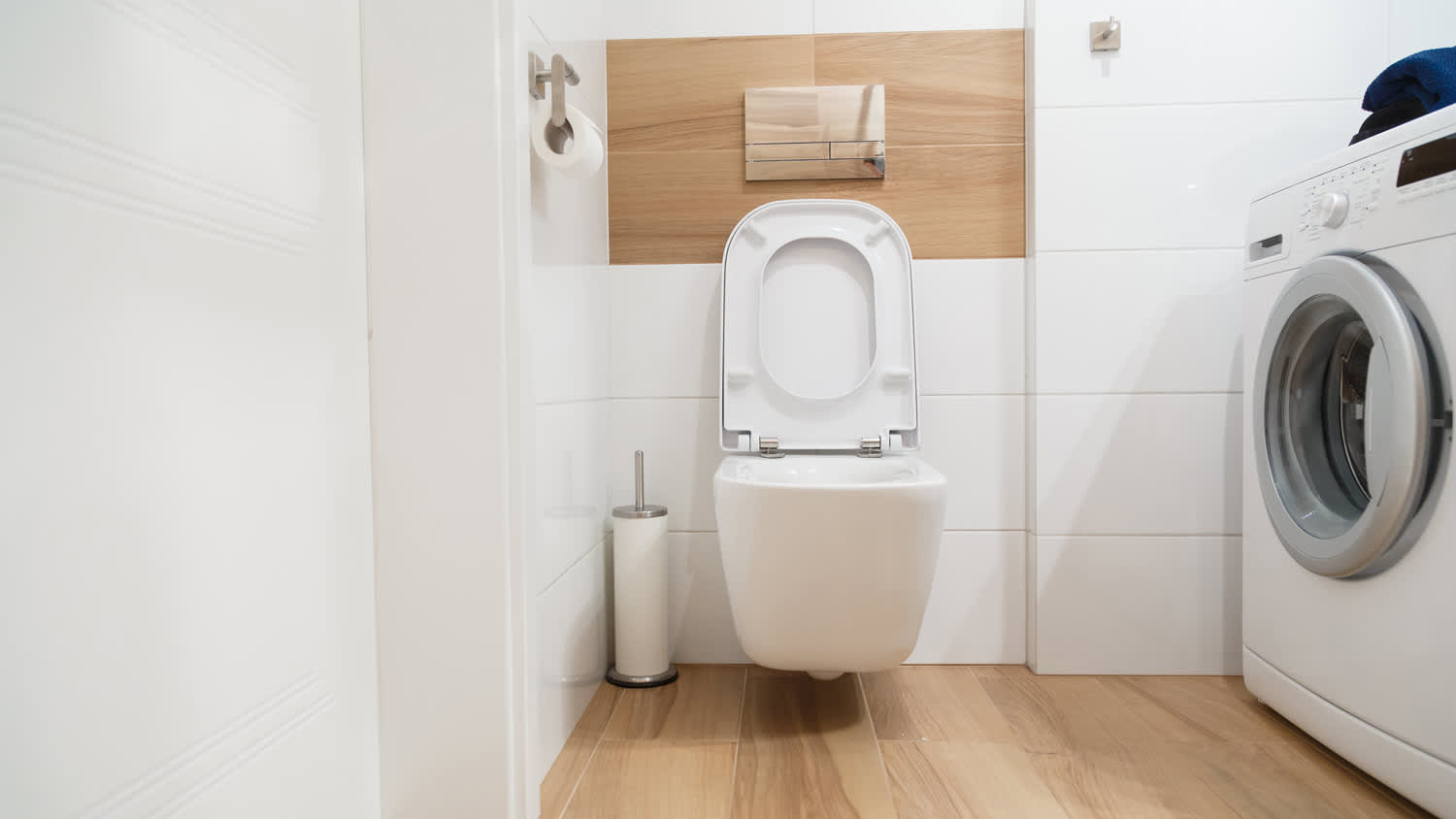
If you’re wondering whether rats can come up the toilet, the unfortunate answer is yes, it’s possible, though it’s extremely rare. These rodents are excellent swimmers and can travel through sewer pipes in search of food, and they may follow plumbing lines leading to your home if they’re drawn by the scent of scraps and waste. The toilet’s U-bend holds a small pocket of air, which can help a rat catch its breath before making its final push into your bathroom. While more common in cities with larger rat populations, this can happen anywhere with connected sewer systems; sealing entry points and keeping drains clean can help reduce the risk.
A sewer line should be cleaned at least once every 18 to 22 months. The process takes about 30 minutes or up to 5 hours, depending on the size of the line, how easy it is to access, and how long it’s been since the previous cleaning. If your sewer line hasn’t been cleaned in a couple of years or you don’t even know the last time it’s been cleaned, it’s time to call a pro.
The Covelo, CA homeowners’ guide to sewer cleaning services
From average costs to expert advice, get all the answers you need to get your job done.
A clogged main sewer line can lead to gas or wastewater leaks. Find out what main sewer line clog repair costs by type of service, clog severity, and more.
The best way to keep your sewer line running smoothly is with some regular maintenance. But don’t worry—it doesn’t take much effort. Read on to learn how.
When was the last time you gave your sewer system some attention? If it’s been a while, it might be a good idea to clear any debris out of your sewer line.