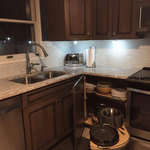
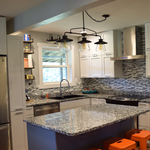
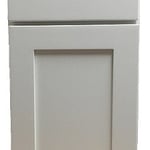
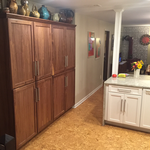
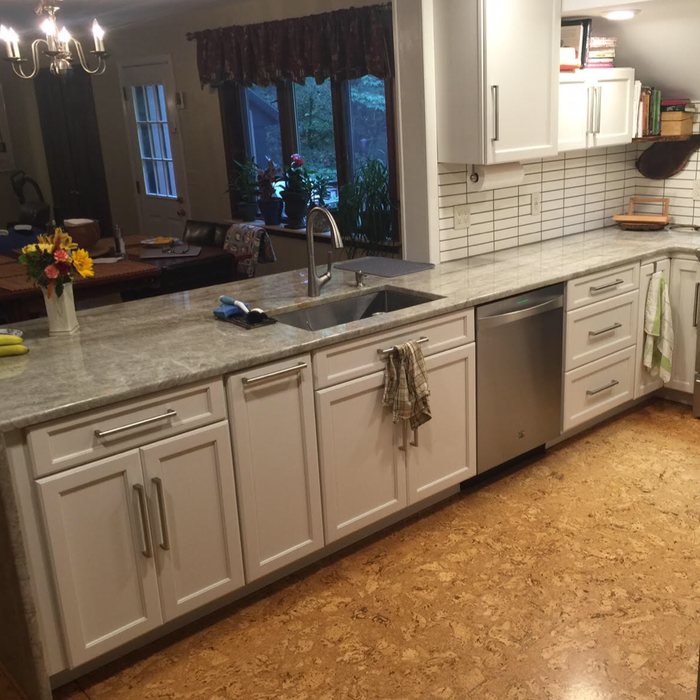
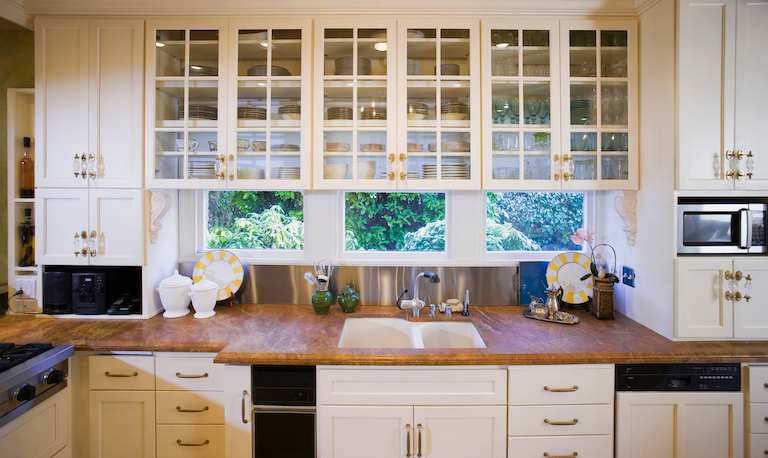
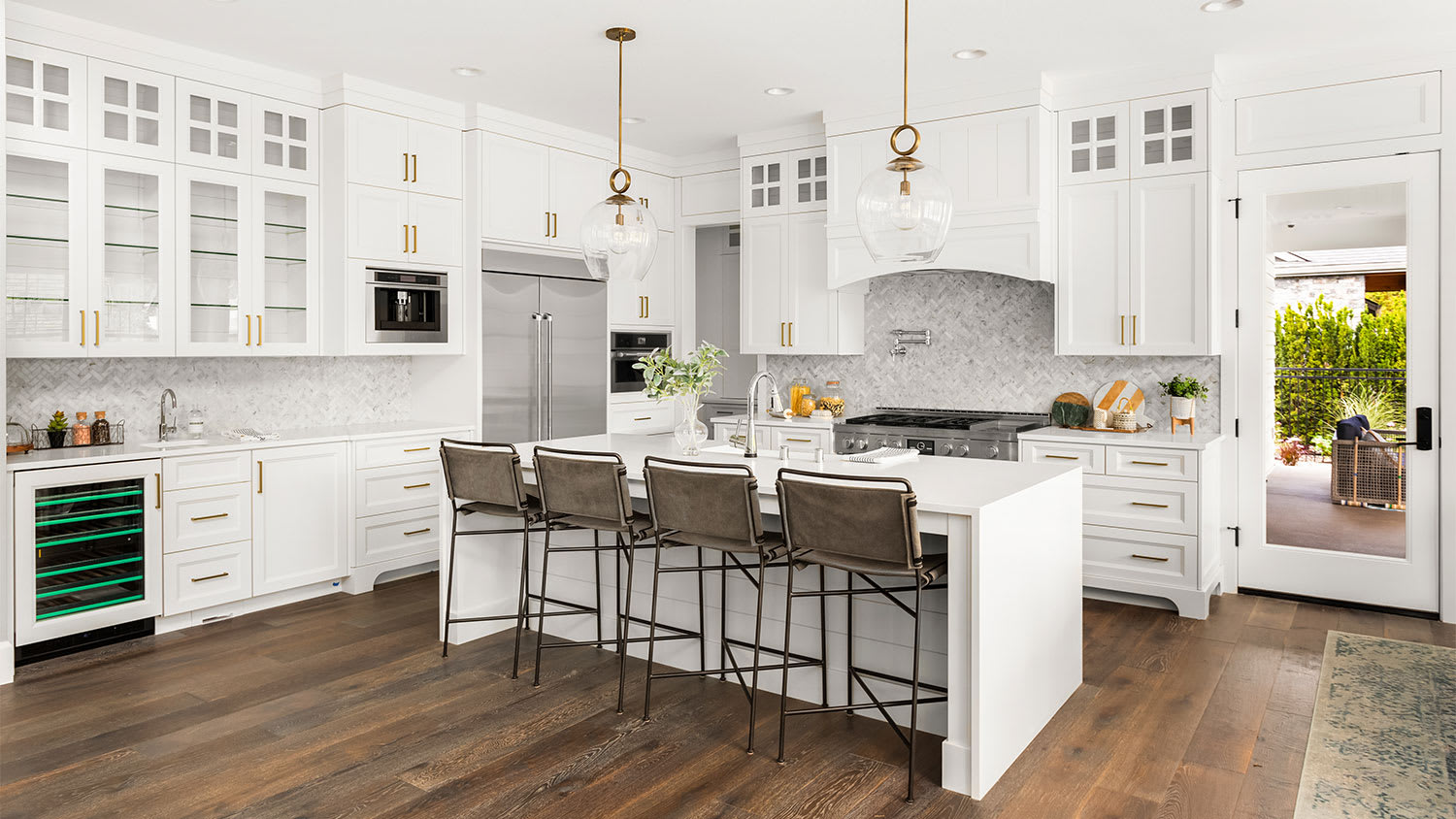
"We love our cabinets! They look fantastic while remaining affordable. The friendly staff at AWD helped us from start to finish. They are very knowledgeable and gave us advice and tips when needed. They were receptive and patient with our ever-changing needs. Once we finalized our purchase, we received our cabinets within two weeks! The cabinets are very sturdy and the color is beautiful. The hinges and hardware are high quality. We are extremely pleased with AWD and would recommend them to any friends or family looking for good cabinets at a fair price."
"Yes I got the job and Homeowner was Happy and I the best was the office Material and everything I needed was Tristen Did Fabulous Job would work with on any project Thank you Tristen awesome Job"
We pride our company on reliability, great communication, integrity, and quality work. We are experts in our trade and will do our best to keep you as educated as we can on your particular task or project. We look forward to earning your business!
V/J Construction has been providing the highest quality of craftmanship in the industry. Our reputation is built upon our friendly service and our customer first menatality.
Yes, many services include the removal and disposal of old cabinets. Confirm with your contractor.
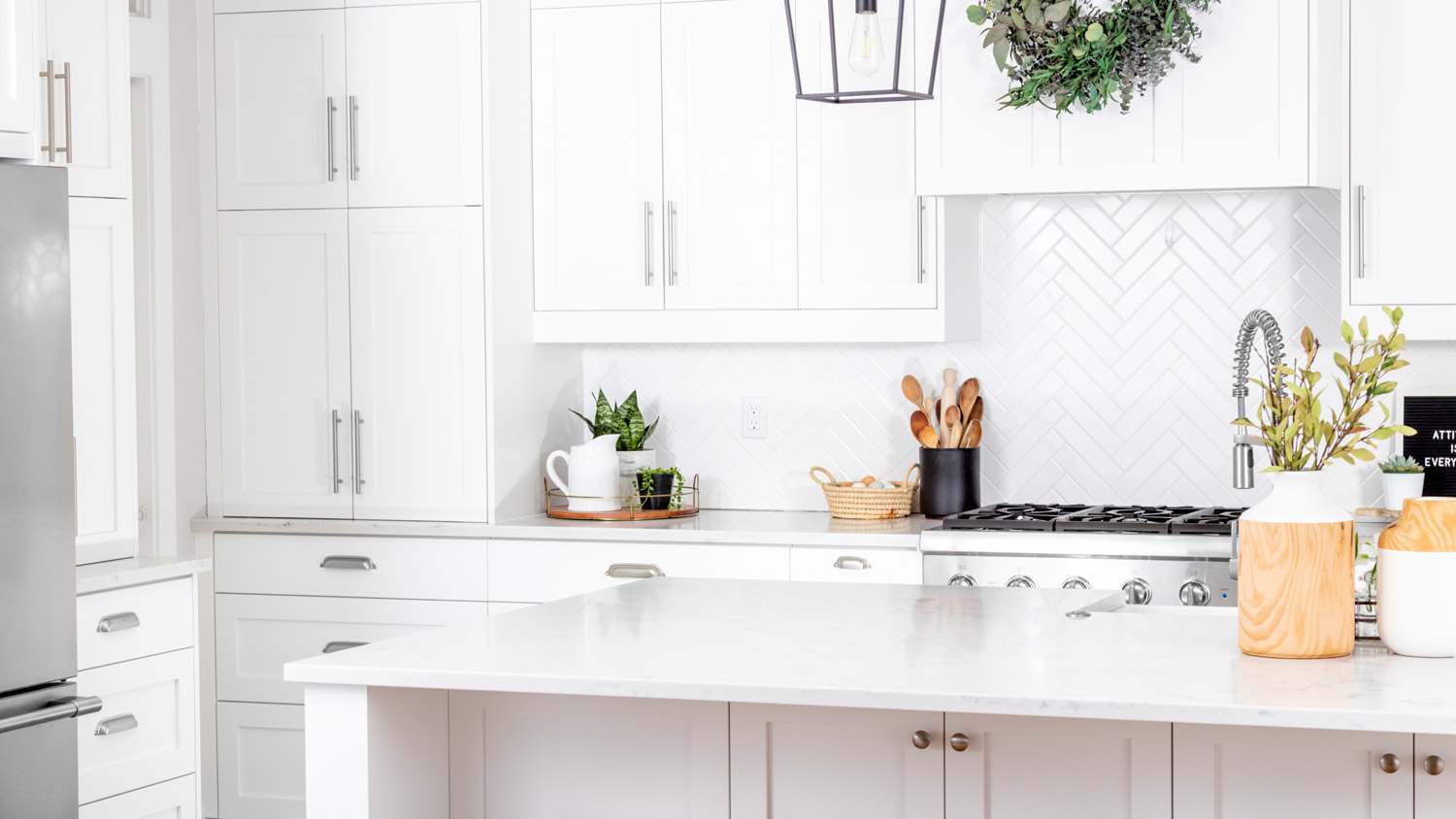
The 1/3 rule is a design guideline used by interior designers and cabinet installers to select appropriately sized pulls for cabinets and drawers. The rule suggests that for a balanced and cohesive look, a cabinet pull should be approximately one-third the height of the cabinet door or one-third the width of the drawer face. This guideline helps create a symmetrical appearance because the human eye tends to follow the length of the pull across the cabinet face.
While the 1/3 rule is a helpful starting point, it is not the only option. If a measurement falls between available pull sizes, it's generally best to size up. For an ultra-contemporary aesthetic, you can also opt for full-width pulls that span the entire drawer.
There’s no strict rule about which way cabinet doors should open, but generally, double cabinet doors should open away from each other. With single doors, you want to avoid having them block your path or swing into areas where people need to stand. Some kitchens are angled so that cabinet doors may crash into something no matter which way they swing, but the methods above can help prevent damage.
It is typically cheaper to buy stock or semi-custom cabinets than to build custom ones. The price difference is significant:
Custom Cabinets: Cost between $500 and $1,200 per linear foot. This price is affected by materials, size, design complexity, and door styles. For instance, a simple slab door's materials might cost $60-$70, while a decorative mullioned glass door could be $100-$200.
Semi-Custom Cabinets: Cost between $150 and $700 per linear foot.
Stock Cabinets: Cost between $100 and $400 per linear foot.
While buying pre-built cabinets is more cost-effective, building custom cabinets allows for full modification to fit unique spaces, such as rooms with high ceilings or unusual layouts, which stock options cannot accommodate.
Yes, you can find inset cabinets that come in the same standard sizes as other types of kitchen cabinets. Or, as is the case with any type of cabinet, you can order custom inset cabinets in any dimensions you want. That said, inset cabinets sometimes have less storage space compared to frameless ones.
The Covelo, CA homeowners’ guide to cabinet making services
From average costs to expert advice, get all the answers you need to get your job done.
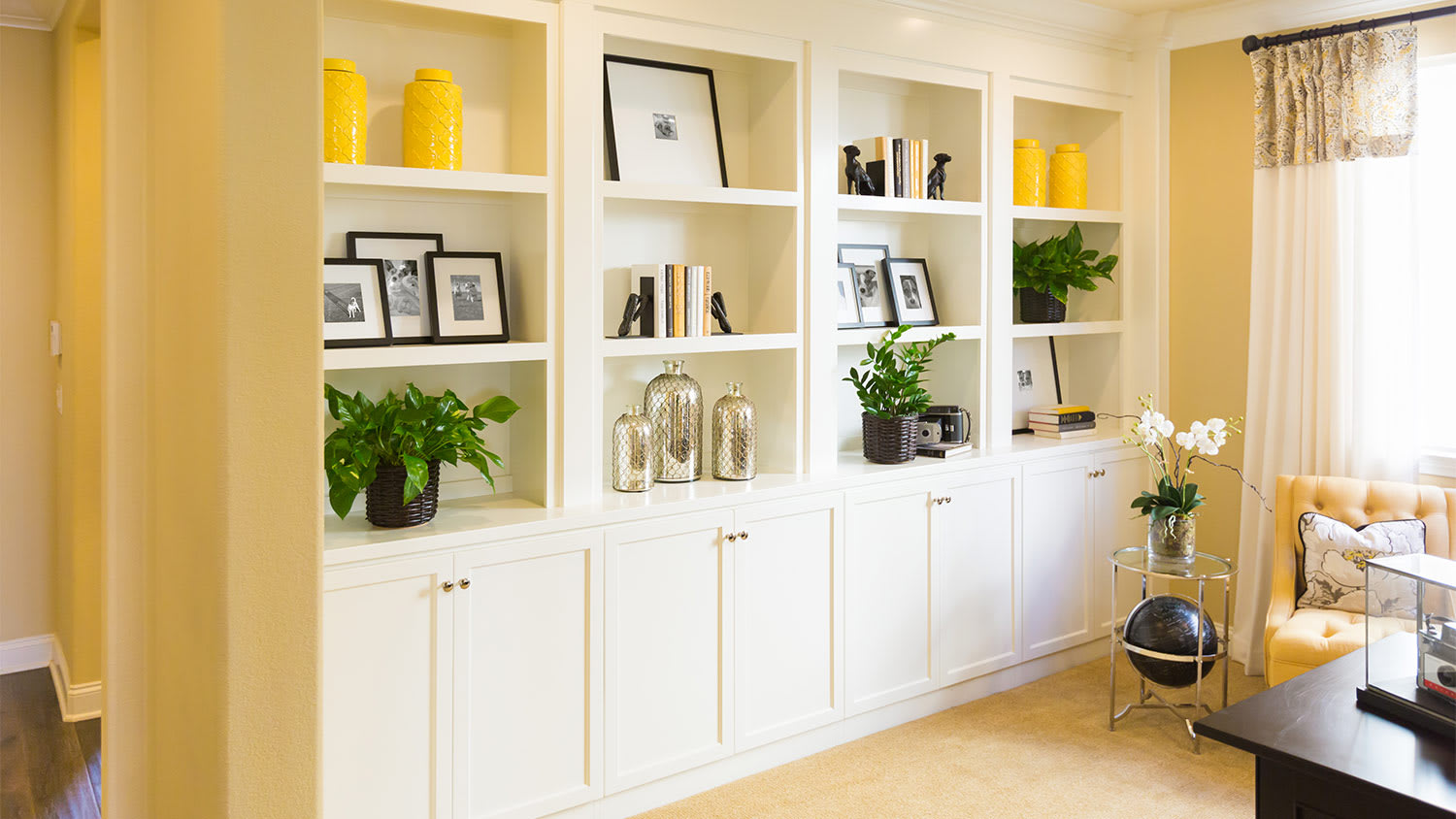
All rooms require various storage solutions for everyone’s needs. Find ways to increase your cabinet storage space outside the kitchen to stay organized.