


Carpet Installation questions, answered by experts
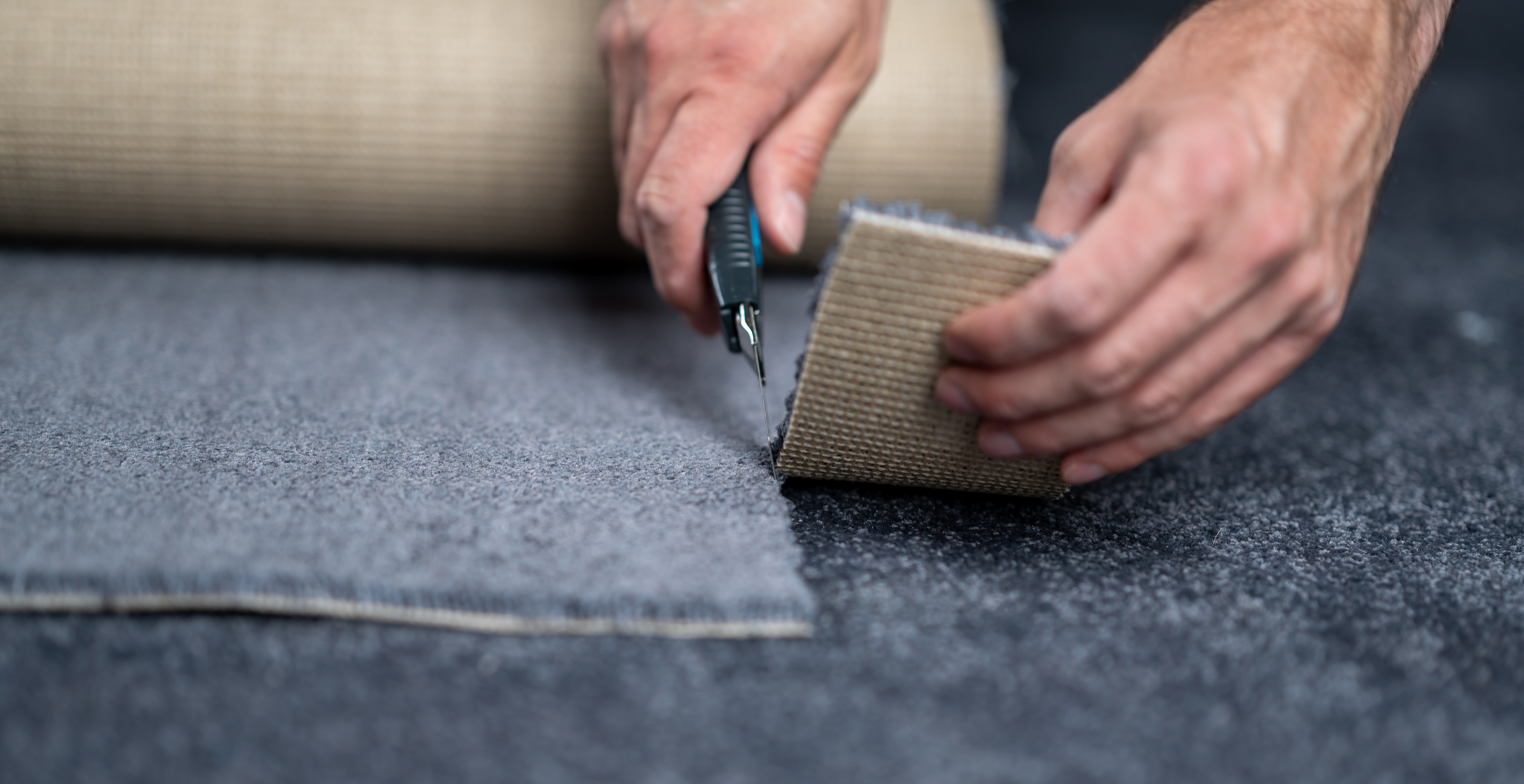
While it is possible to install carpet yourself, it is a challenging DIY project that requires precise measurement, proper cutting skills, and knowledge of correct installation techniques. The process involves multiple steps, including removing old flooring, installing underlayment and tack strips, and stretching the carpet to prevent wrinkles, which can take several days to complete.
Before starting, consider these factors:
Warranty: Many manufacturers' warranties are voided if the carpet is not installed by a professional.
Tools: You will need to buy or rent specialized equipment like a knee kicker, carpet stretcher, and seam roller.
Complexity: DIY installation is most suitable for simple, straightforward rooms. Projects involving stairs or floor vents are significantly more difficult.
Cost: While you can save on labor, the cost of tools plus the risk of expensive mistakes—which may require re-installation—can make hiring a professional more cost-effective in the long run.
Given the potential for errors, voided warranties, and the need for special tools, hiring a local carpet installer is often recommended to ensure the job is done correctly and safely.
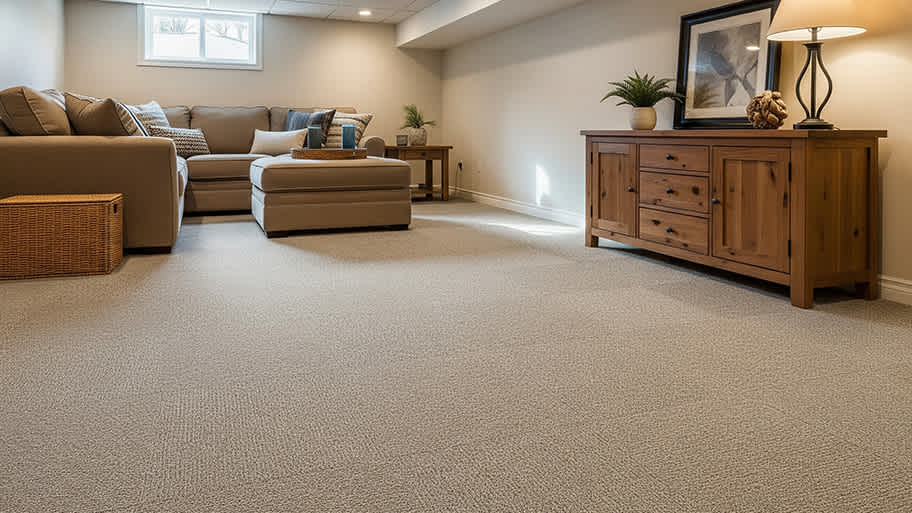
The best underlayment for carpet on concrete is a sponge rubber underlayment. This type of carpet padding is durable enough to endure wear and tear on hard concrete yet soft enough to provide comfort underfoot. It also creates insulation from sound and temperature, providing warmth despite the concrete’s cold surface.


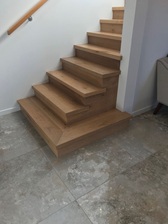
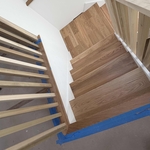
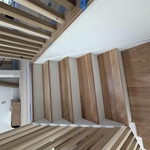
When installing carpeting on your steps, start at the top and work your way to the bottom. That way, you can easily control the carpet and create a better seal. This approach prevents the carpet from bunching up or creating wrinkles as you work. You’ll have better leverage over it as gravity helps guide it down each step.
Carpeting has a few benefits on stairs in addition to being a cost-effective floor covering. It absorbs sound, dampening footsteps. It also provides additional traction, which is especially important if you install linoleum floors, epoxy flooring, or any other floor covering that can become slippery if you’re wearing socks. Therefore, carpets can help prevent slips.
Some flooring companies recycle old carpet after replacing it. The broader flooring industry has been moving toward recycling more carpet material. However, whether an individual carpet gets recycled is up to the flooring company that removes it. When gathering quotes for new flooring in your area, ask each company about removal options and what they do with the material.
The Cotati, CA homeowners’ guide to carpet installation
From average costs to expert advice, get all the answers you need to get your job done.