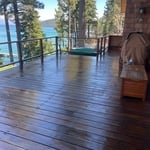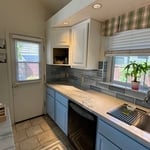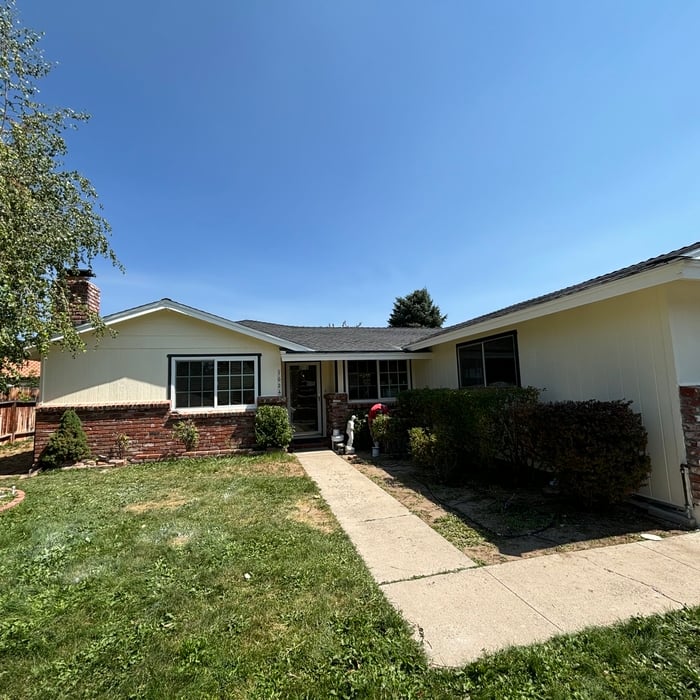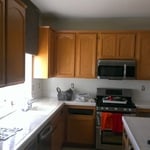
"Hired Humberto to strip a ton of old wallpaper and repaint our place in Tahoe. Two full floors, probably 2000 sq ft worth of walls. Wallpaper was everywhere and honestly I wasn’t sure what we were going to find underneath it, but his crew handled the whole thing: removal, sealing, knockdown texture, primer, two coats of paint by hand. Communication was great from the start. He called me the same day he sent the estimate and walked through his whole process which I appreciated since we were managing the project remotely. Humberto sent photos every single day as they went which was huge since we couldn’t be there during the work. Him and his crew were there every day and they finished right when they said they would. House looked great when we showed up for memorial day weekend. Clean work, no mess left behind. I would absolutely use Humberto again. He's my go-to paint guy in Tahoe now."

"Joshua was prompt (exactly on time, which was fantastic). He put my mind at ease from the moment he arrived. Very quiet; just did his work and did it extremely well and professionally. I could not be happier with the job he did. I enthusiastically recommend him; my only concern is that I might make him too popular!!
"I only use James when I need some work done to my house. He responds fast, gets the work done quicker than just about anyone else I've ever used and seems very concerned with leaving his customers happy."
While textured walls can elevate a space in many ways, there are a couple of downsides to consider. Namely, they’re hard to clean, and some textures fall out of fashion quickly. Make sure to consider all your options to find one you truly love before diving in.
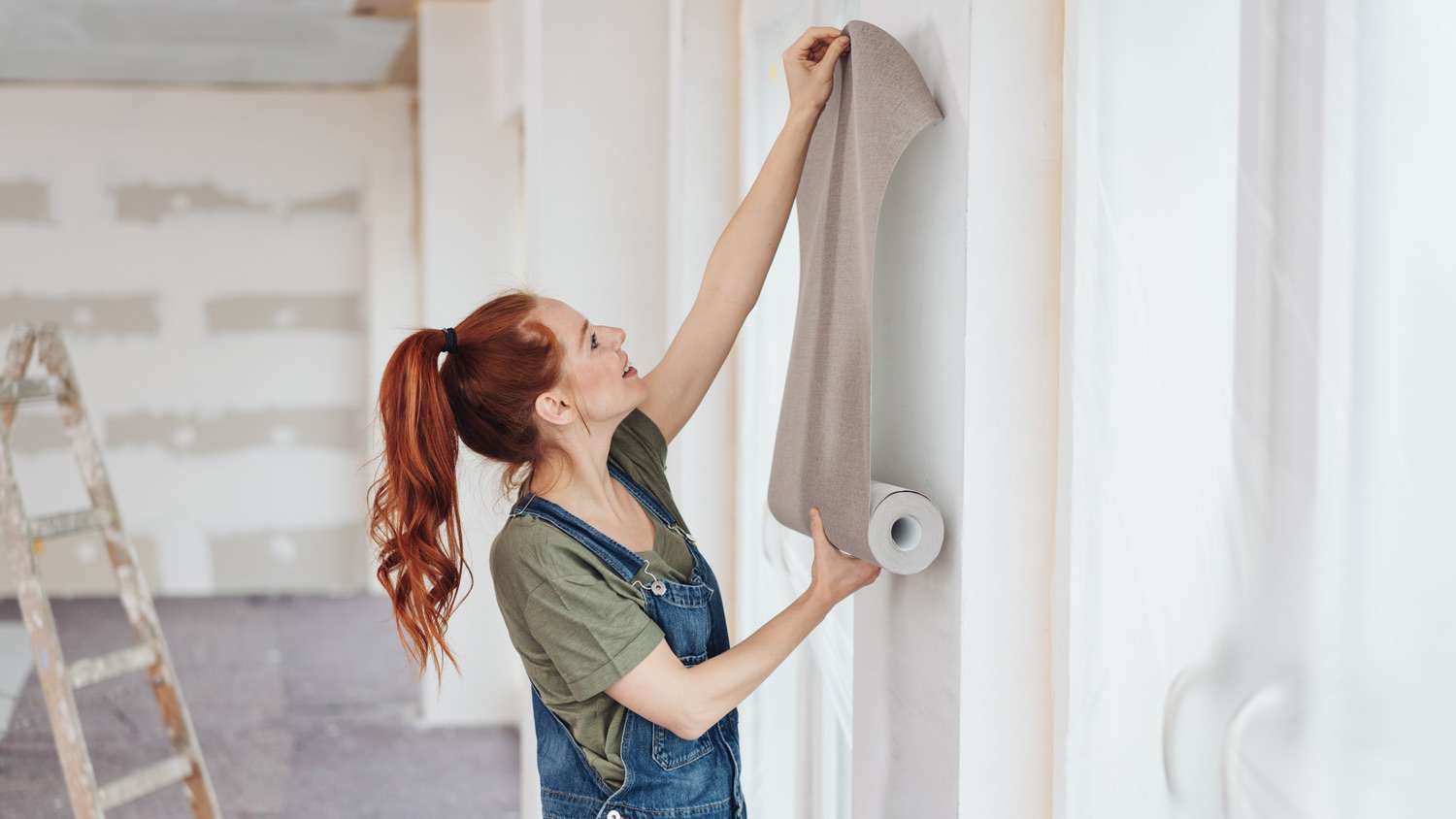
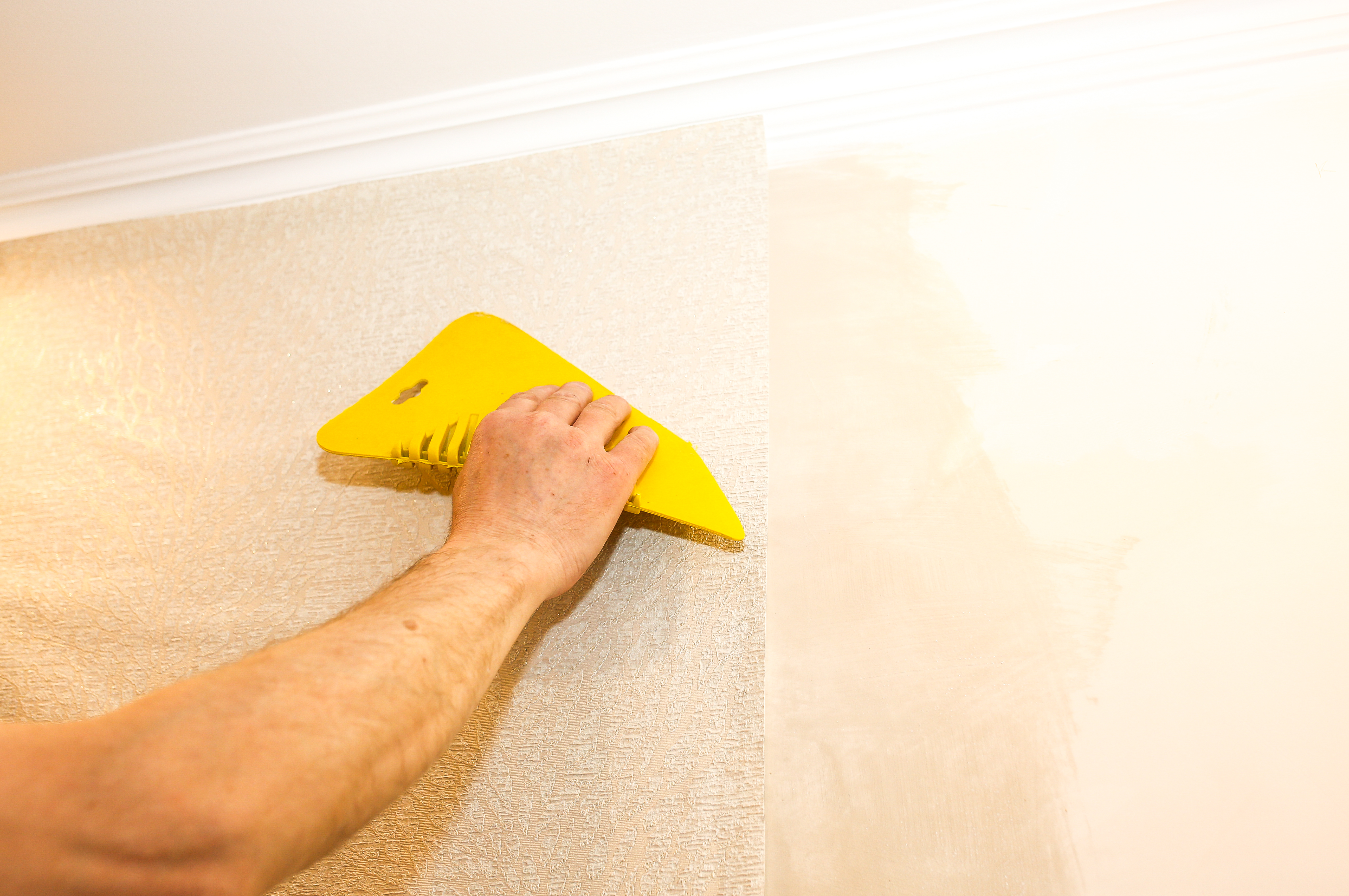
If you prefer peel-and-stick to traditional wallpaper, you can skip the priming process. Many manufacturers don't require an additional primer if you’re installing peel-and-stick wallpaper to painted walls. However, if you’re applying peel-and-stick wallpaper to unfinished drywall, you’ll need to apply a primer first.
One of the biggest downsides to peel-and-stick wallpaper is that it doesn't last as long as traditional wallpaper. Its lifespan depends on several factors, including the quality of the paper, proper wall preparation and application, and the room's conditions. As a general rule, peel-and-stick wallpaper can last for at least five years, but this can vary significantly. Budget products may only last about 3 years, while higher-quality products can stay up for 7 years or more in ideal conditions. Factors that can shorten its lifespan include high humidity (such as in a bathroom), dirty walls, and low-quality paper. If used on flooring, expect it to last only 1 to 3 years unless sealed. However, the shorter lifespan can be seen as a positive, making it a great choice for people who enjoy switching up their interiors more frequently.
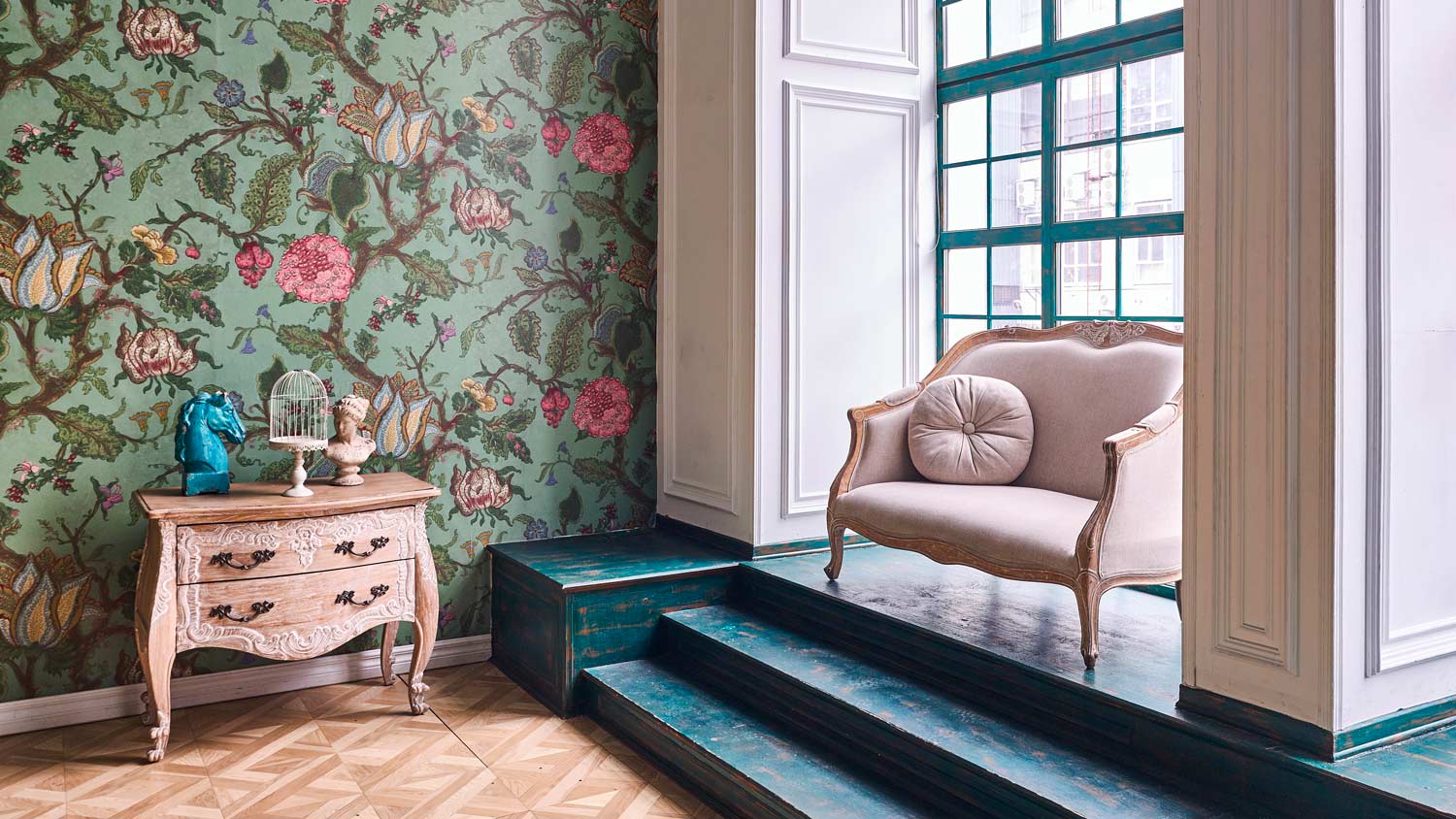
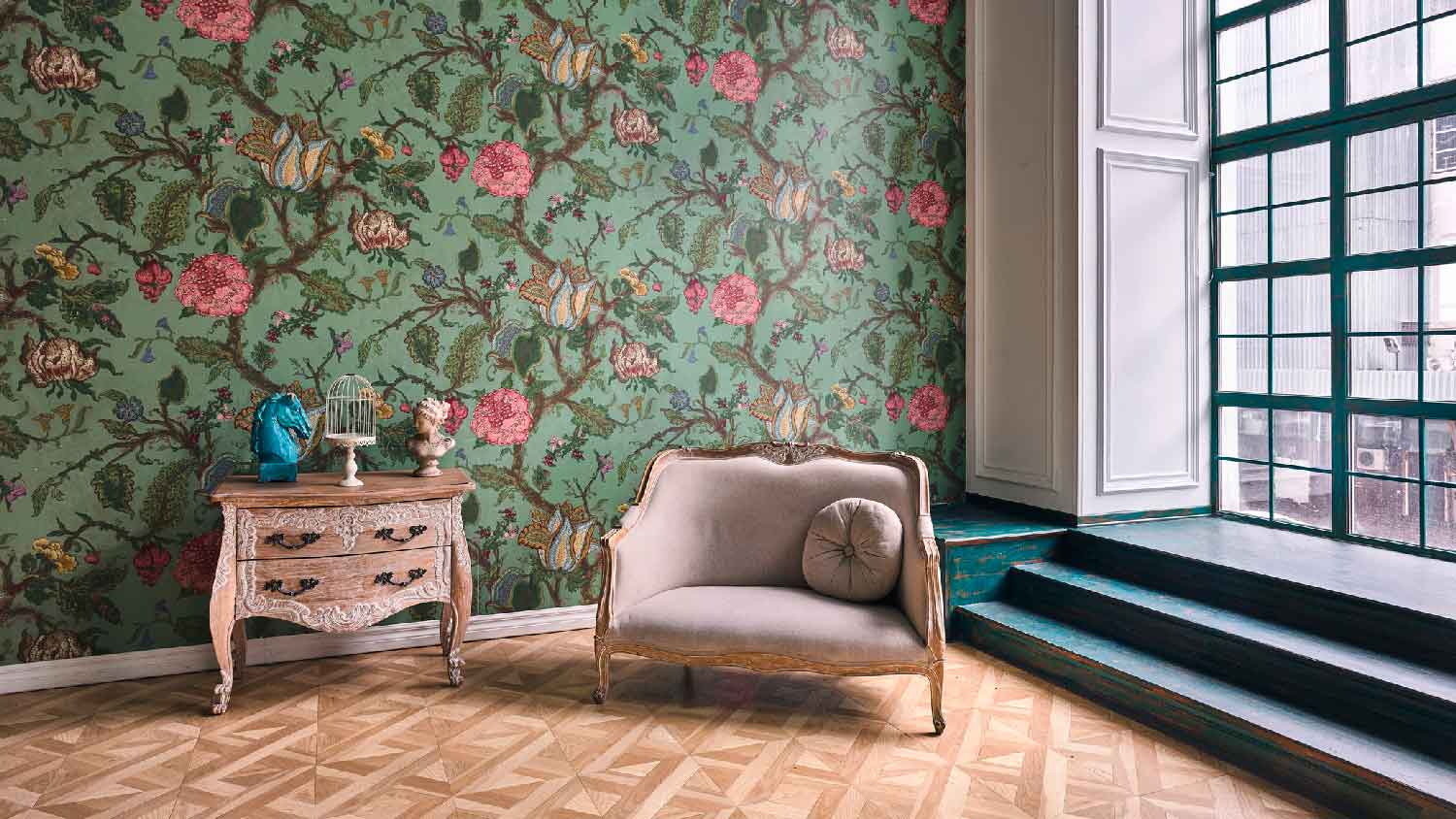
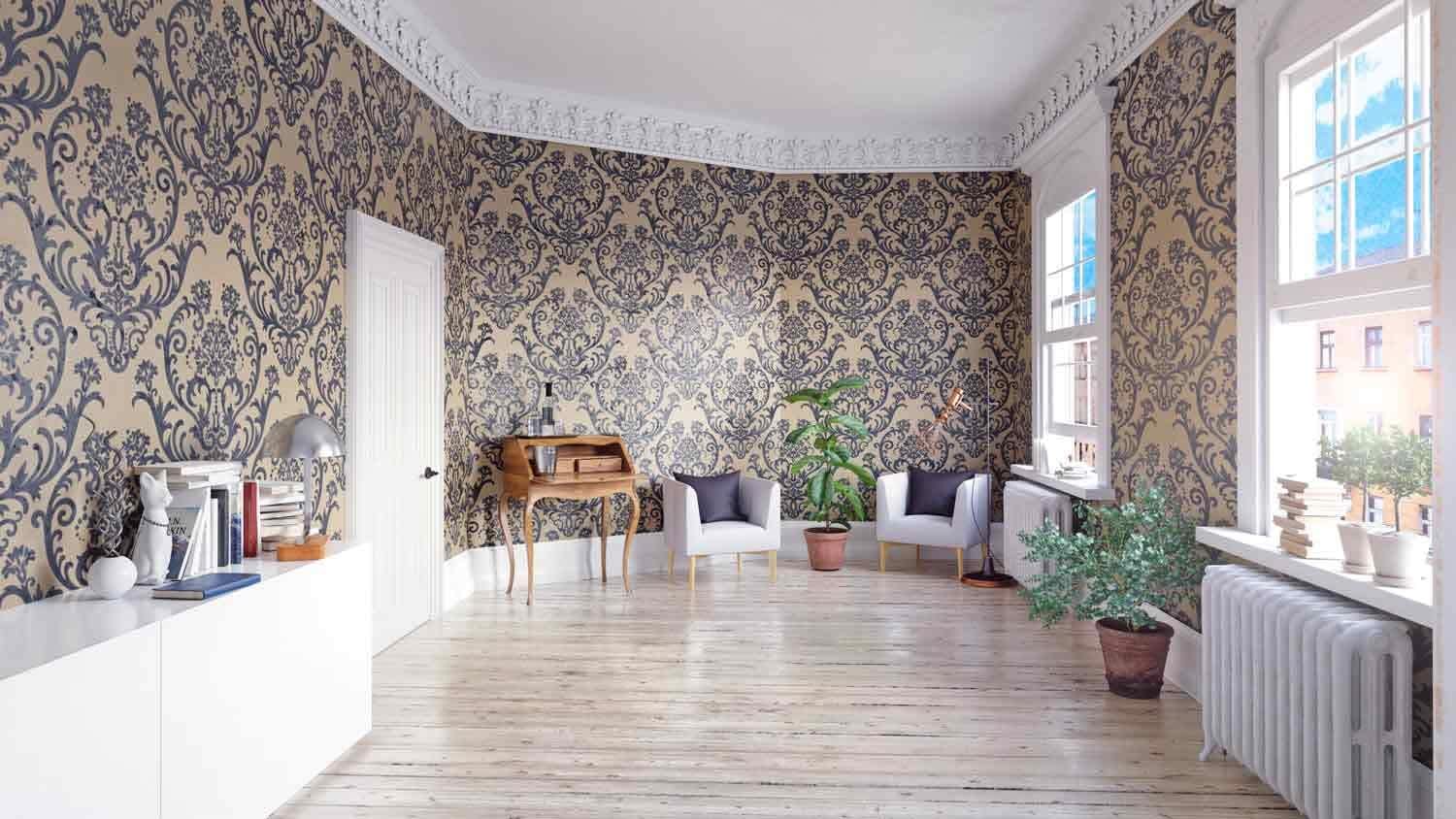
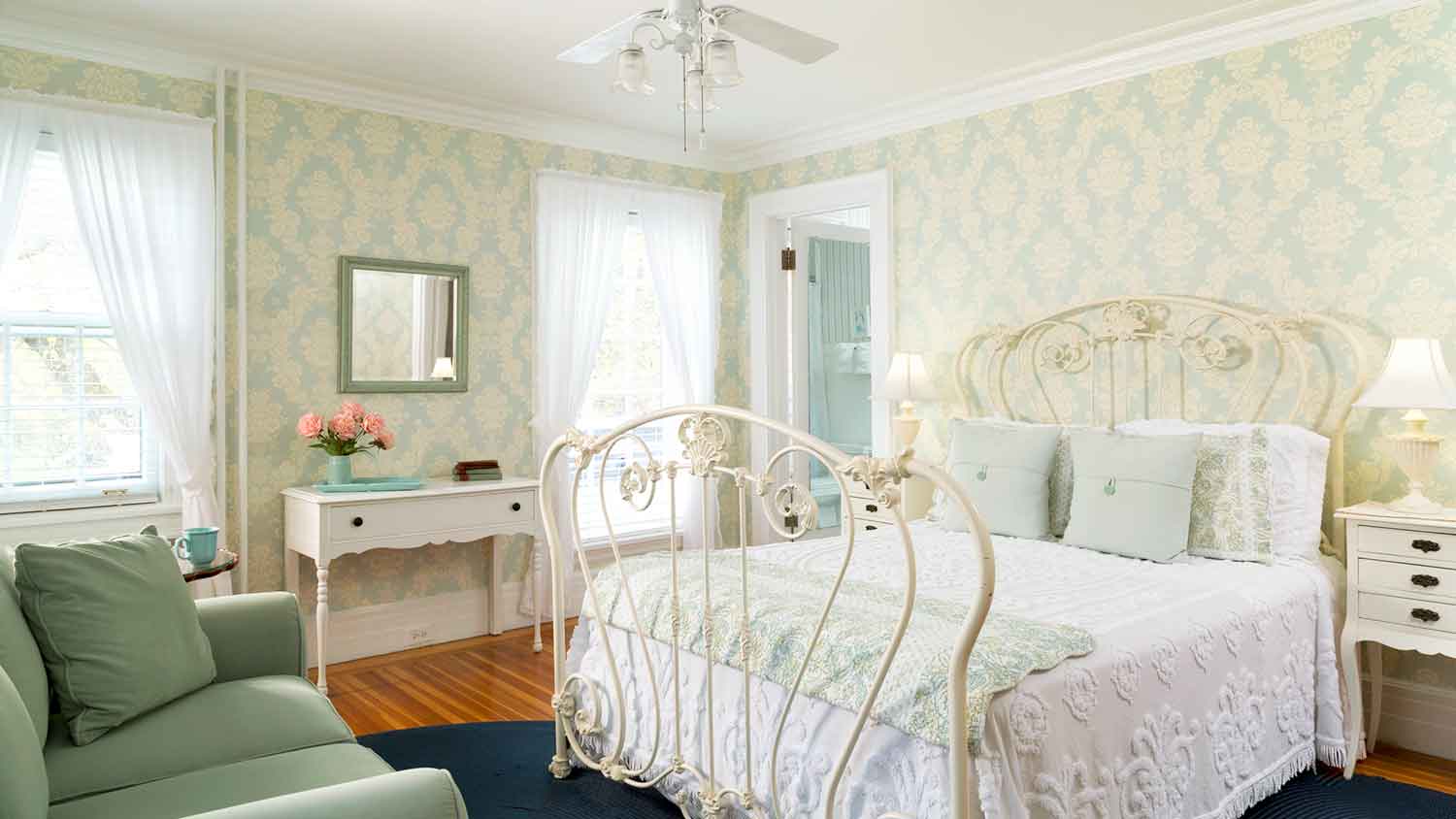
The pros of wallpaper include its durability and longer lifespan than paint, as well as its versatility. The durability can translate to lower long-term costs for upkeep and replacement, and the versatility means you have more options for customizing rooms in your home. Some downsides include that it’s difficult to remove, it’s not ideal for rooms or areas exposed to high moisture content or sun exposure, and it’s tricky to install. A professional wallpaper hanger can help mitigate these issues, though, by installing it properly and in areas suitable for wallpaper.
If you can already see the texture of the existing wallpaper through the layer of paint, then the texture could also come through the new layer of wallpaper. If that’s the aesthetic you want, then proceed. But if you want a smoother surface, you should either strip off the existing paint and wallpaper or hang a layer of liner paper before proceeding.
The Coleville, CA homeowners’ guide to wallpaper services
From average costs to expert advice, get all the answers you need to get your job done.
Discover wallpaper installation cost. Learn about material, labor, and project factors to estimate your budget and make informed choices for your home.
Whether you can put wallpaper over wallpaper depends on the type of paper you’re using and the condition of the existing surface. Learn more with this guide.