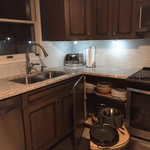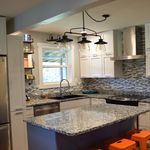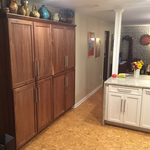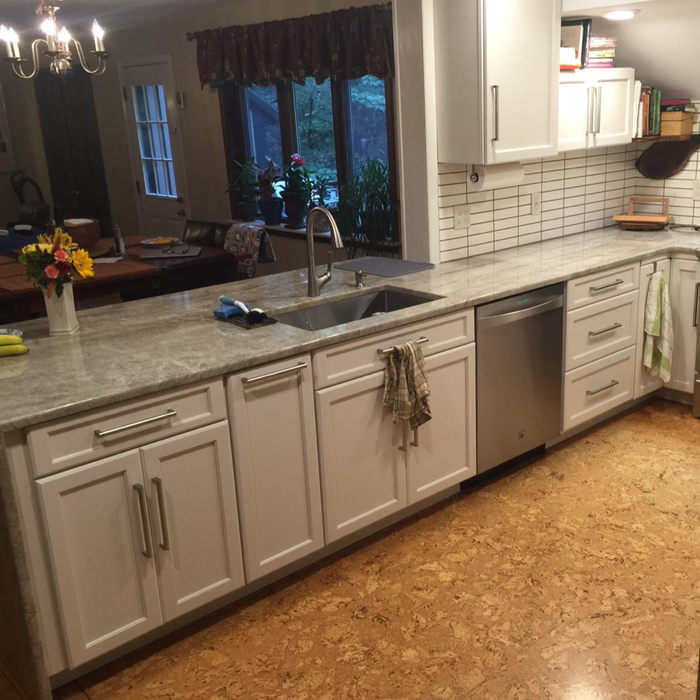






A "reach-in pantry" is a smaller, cabinet-style pantry that allows you to grab items by simply reaching inside. On the other hand, a "walk-in pantry" is like a closet or small room that offers a larger space that you can physically enter to get your food. Walk-in pantries allow for more customizable shelving. A reach-in pantry is usually around 5 feet wide by 2 feet deep, while a walk-in pantry is closer to 5 feet by 5 feet or larger.
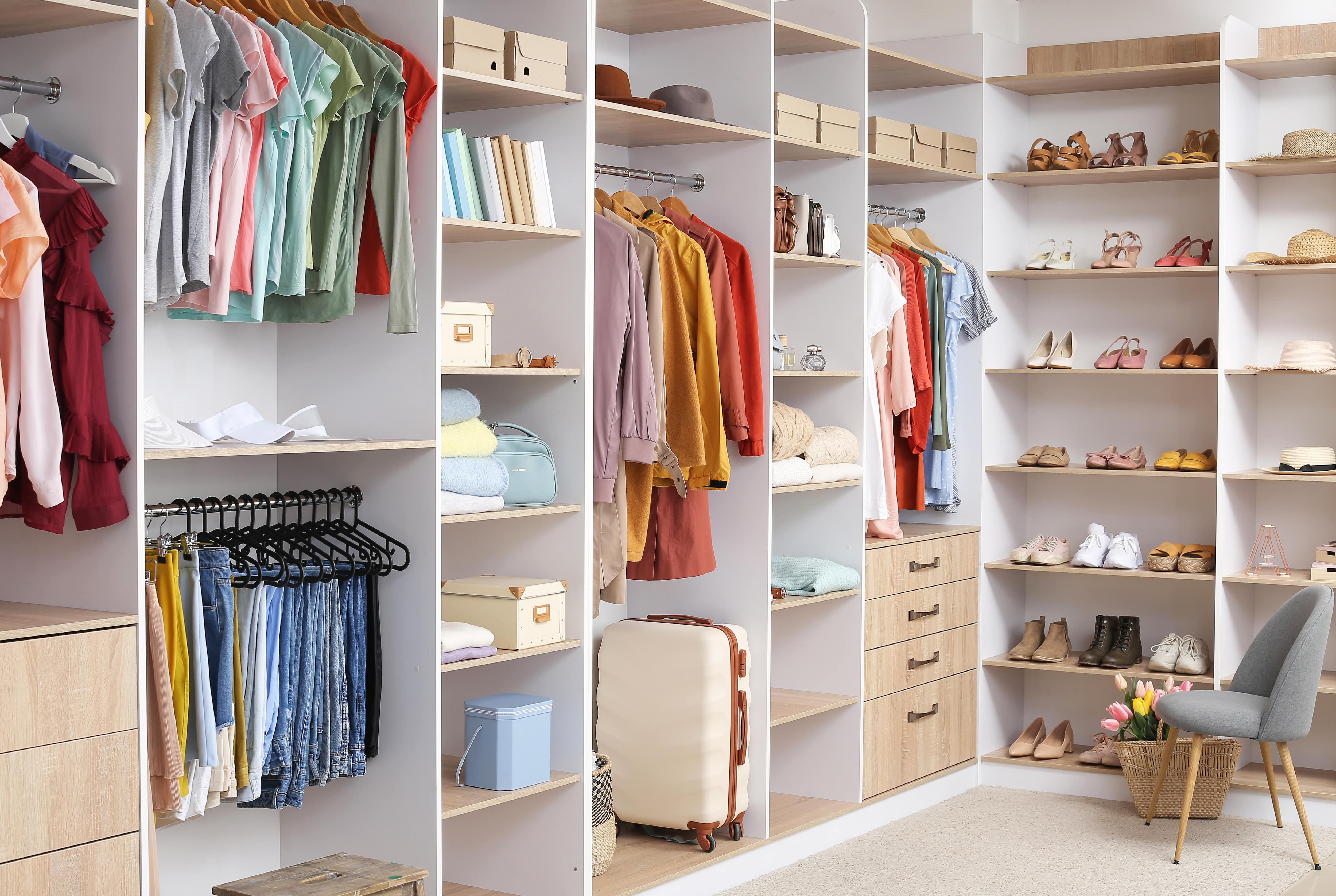
Different types of closets are defined mostly by size. A few different types of closets include:
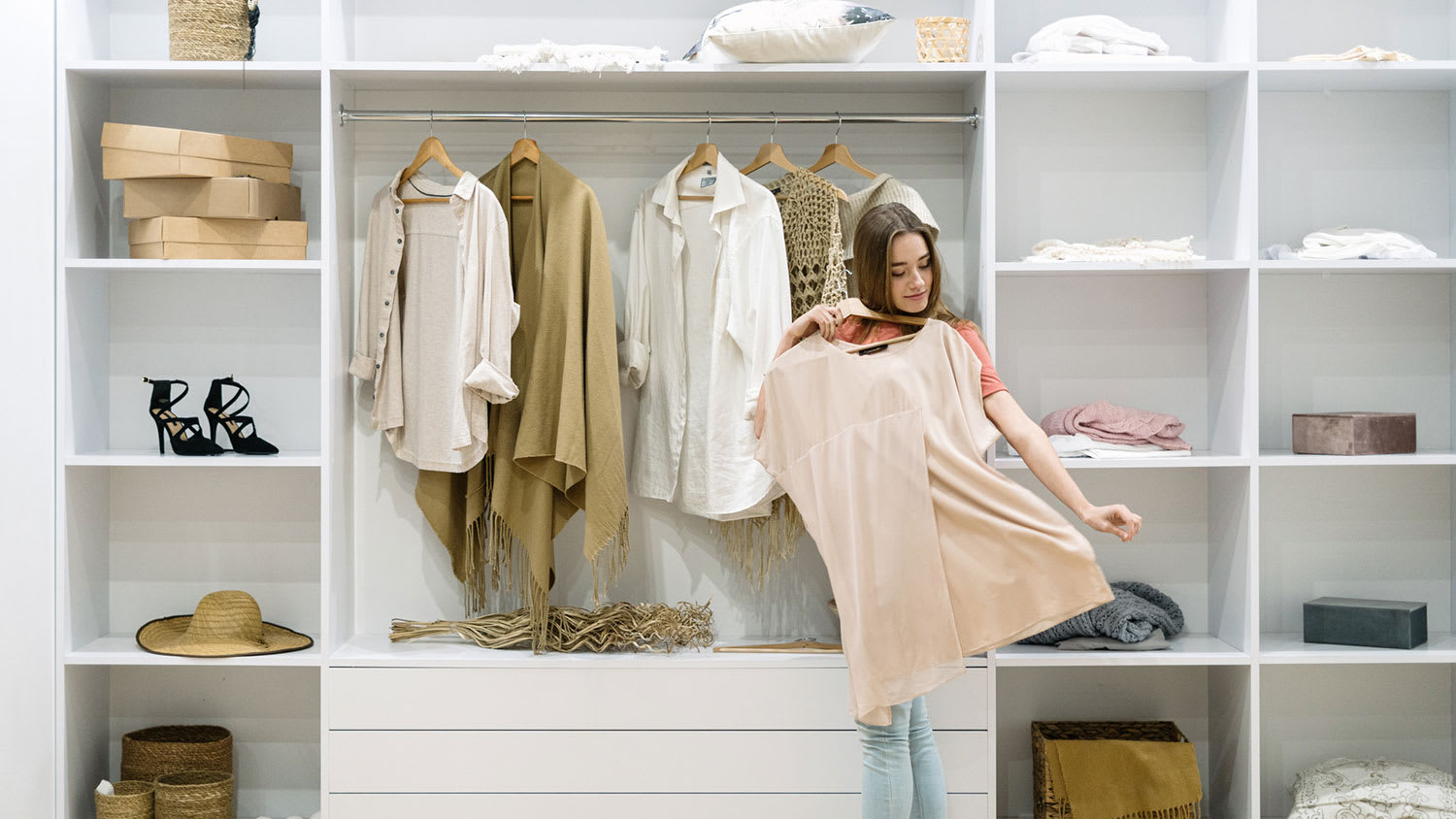
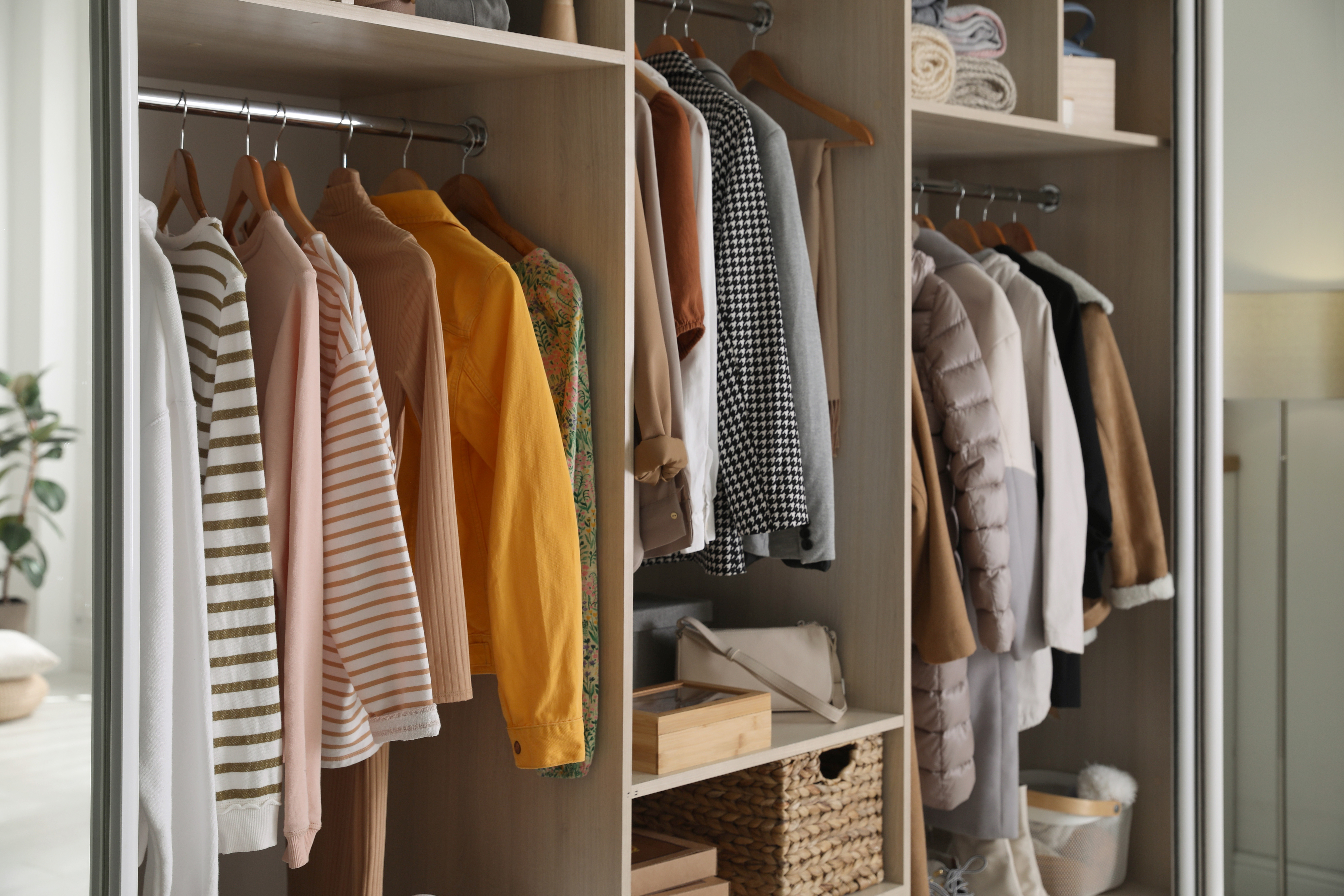
A reach-in closet is a smaller closet that you can stand in front of and reach everything inside it. Aside from the size, the doors and the level of drywall finish are typically the largest price factors.

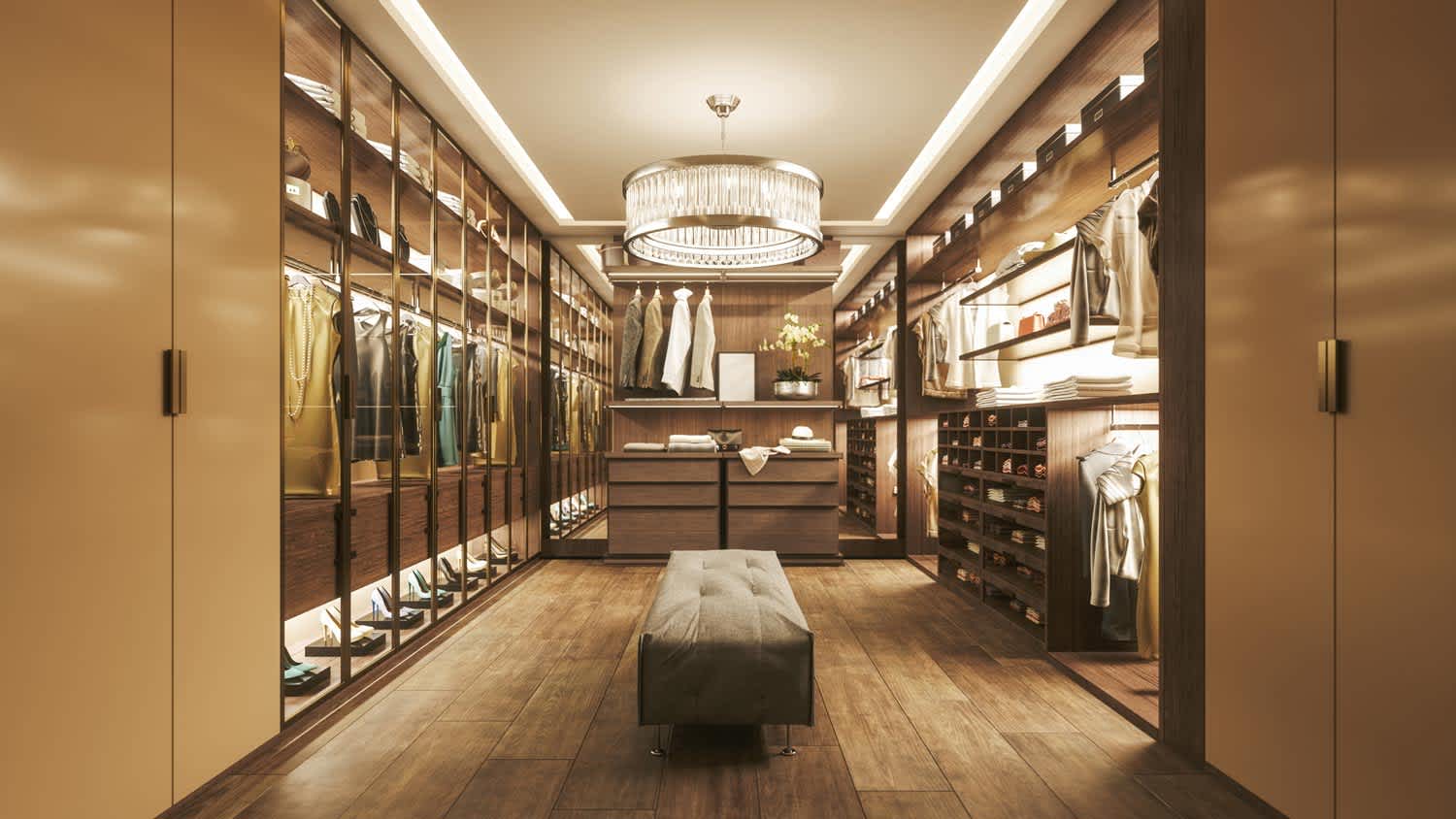
A walk-in closet can be anything from a small 5-by-5 feet closet that has a narrow walkway with shelves on both sides to a 100 square foot bedroom-sized closet with shelving along the walls and plenty of room to move around in.
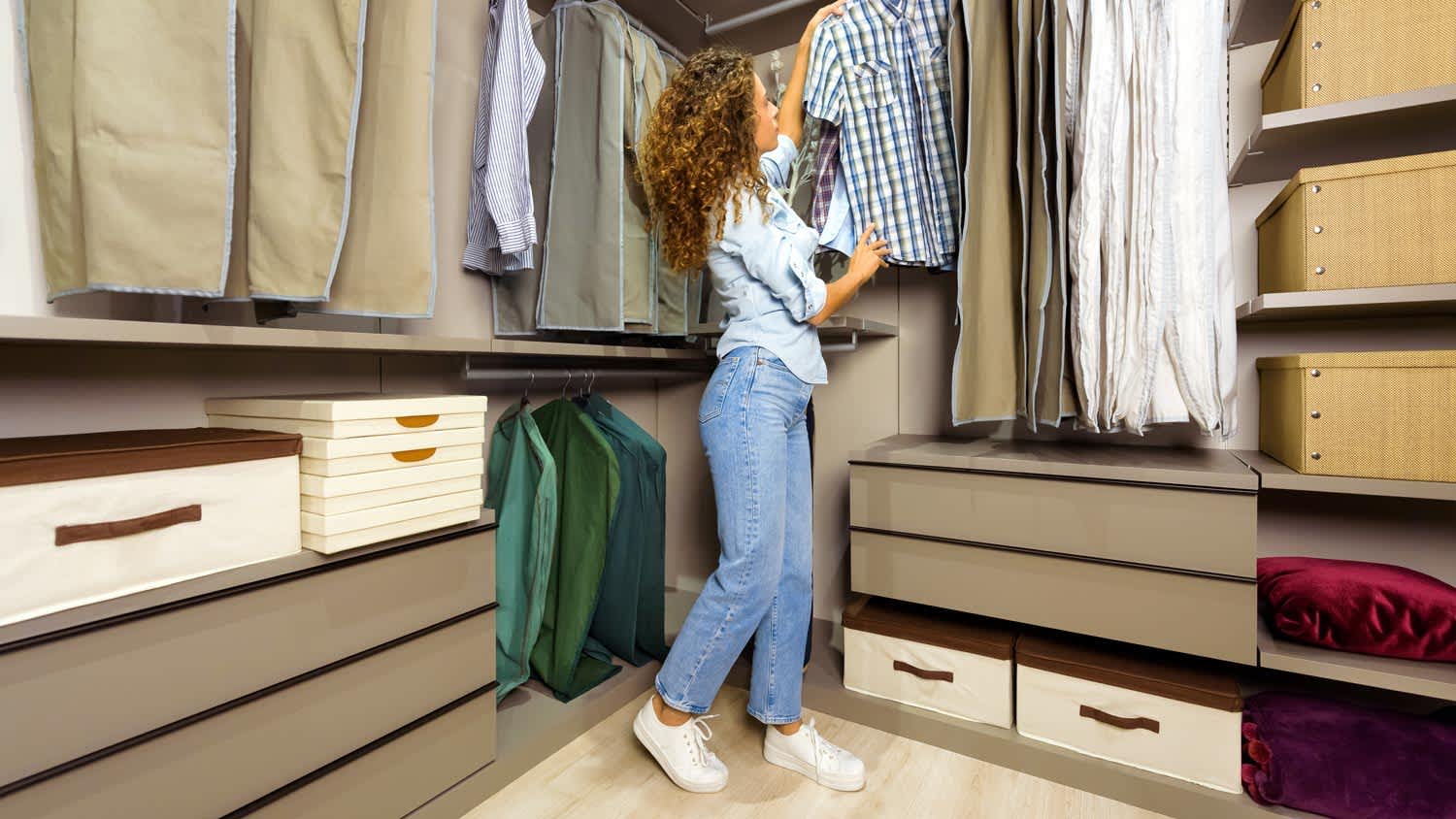
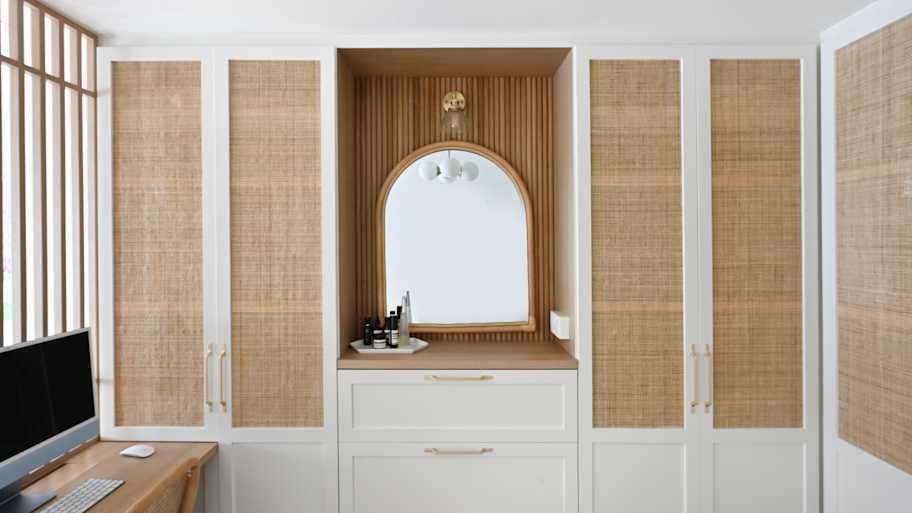
A built-in wardrobe often does not have a door and leaves the clothes and other contents open to the room, whereas a closet usually has a door to separate it from the rest of the room.
You can modernize an old-looking closet by just painting it, but beyond that, consider electric elements like recessed or accent lighting. If this is a large and deep closet, you can consider adding an island to the middle or a nice ottoman on a rug. Luxury closets will have even more items, like felt-lined drawers for watches and jewelry, in-wall safes, electronic shoe storage, or a tablet catalog of their items.
If you’re on a tight budget, the least expensive material you can buy for DIY closet shelves is chipboard, a.k.a. particle board. This inexpensive material is made from a pulp of sawdust, resin, and glue that’s pressed together under high temperature and pressure. As you can imagine, it’s not very sturdy and might buckle under your blue jean collection, so you should only use it if you’re storing very light items.
Bump-out additions can add some space to a closet without requiring any significant structural work. This entails pushing back the existing rear or side of the closet, simply moving the wall into either an adjacent room or unused space. For ground-floor closets, this could even be extended to the exterior of the home, but that has its own complications. Bump-outs are a good discussion to have with your contractor if you’re just looking to increase the space a little—not renovate the entire closet space.
The Caruthers, CA homeowners’ guide to closet services
From average costs to expert advice, get all the answers you need to get your job done.
The cost of a closet remodel depends on the closet size, materials used, and the level of customization. Learn what else influences your closet remodel cost.
Discover the sliding mirror closet door installation cost, including material, labor, and additional expenses. Learn how to budget and save on your project.
Whether you’re building new construction or adjusting floor space in your existing home, learn about standard closet sizes to get the right dimensions.