


Top-rated radon detection and reduction specialists.

Best radon detection and reduction specialists near Canyon Lake, CA

Enter your zip and get matched with up to 5 pros

Need a pro for your radon detection and reduction project in Canyon Lake, CA?

Select your specific project to find the pro for you.

Top-Rated Radon detection and reduction specialists in Canyon Lake - Updated Nov 2026

Pacific Environmental & Abatement Solutions Inc
4.6(
10
)
Radon Gas - AbatementRadon Gas - Testing

Serving Canyon Lake, CA and surrounding areas

Approved

In business since 2006

Free estimates

Emergency services offered

"The tester was well versed in this area even showing the areas that were high in moisture. Very friendly and informative as well as professional. Made me comfortable with the experience she had. When the owner and maintenance worker failed she made me comfortable. Fae who had the credentials as well experience explained everything in detail. Definitely use Fae!!!"
Recommended by87%of homeowners

Avatar for Roof Rx
Roof Rx
4.2(
1,190
)
Radon Gas - AbatementRadon Gas - Testing

Serving Canyon Lake, CA and surrounding areas

In business since 1998

Free estimates

Emergency services offered

"not that great. basically paid $99 to get an estimate. included cleaning roof and minimal repairs. took a while to get appointment, and then when they came, they didn't even do the work! gave a really big estimate and then re-seheduled to have someone else do the work. they wouldn't totally replace the roof, gave different estimates to repair, I went with a different company to do a full roof rplacement."
Additional Photos
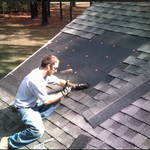
Roof Leak Repair - Step 1
Roof Leak Repair - Step 2
Roof Leak Repair
Recommended by81%of homeowners
Radon Detection and Reduction FAQs, answered by experts

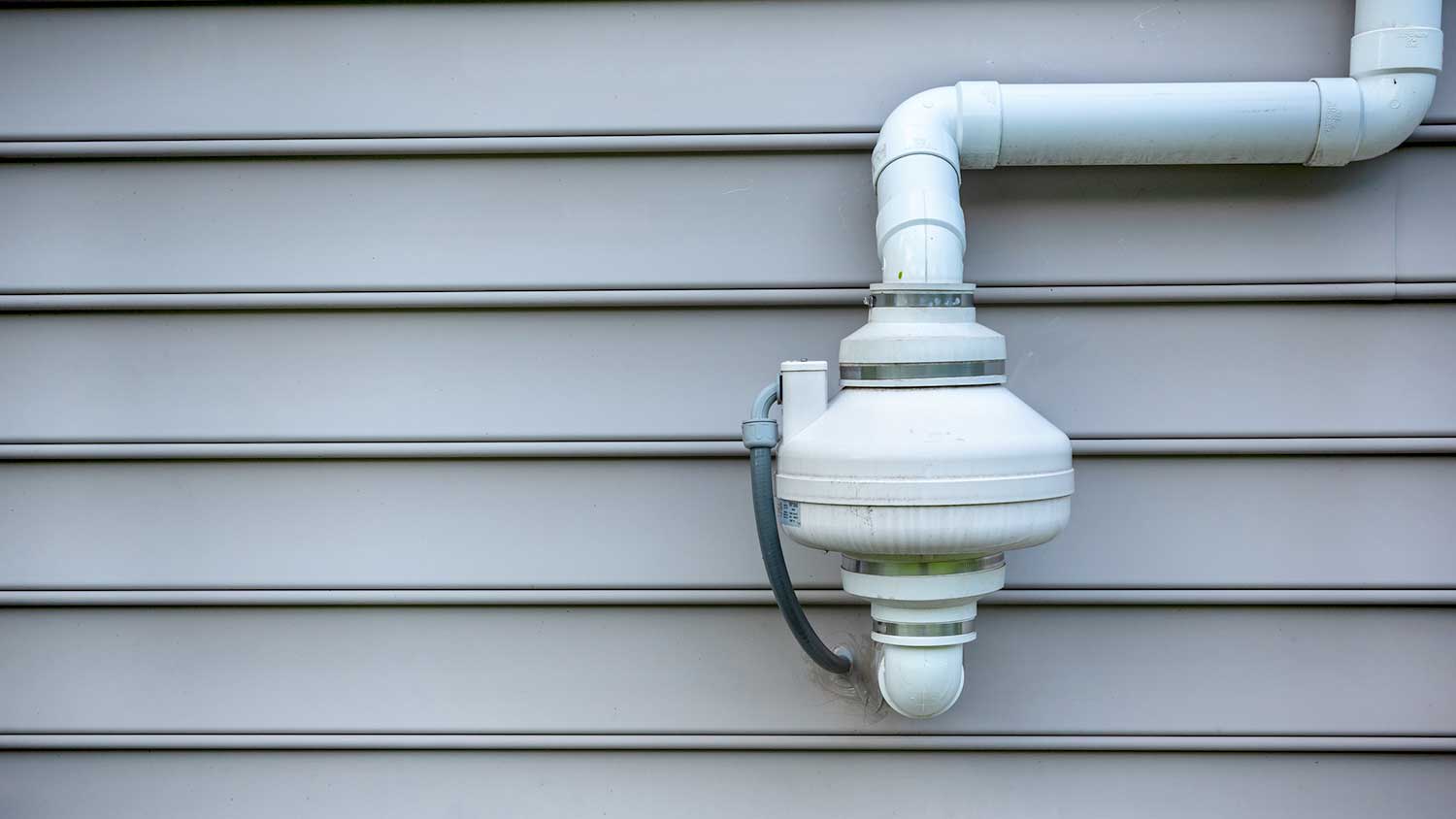
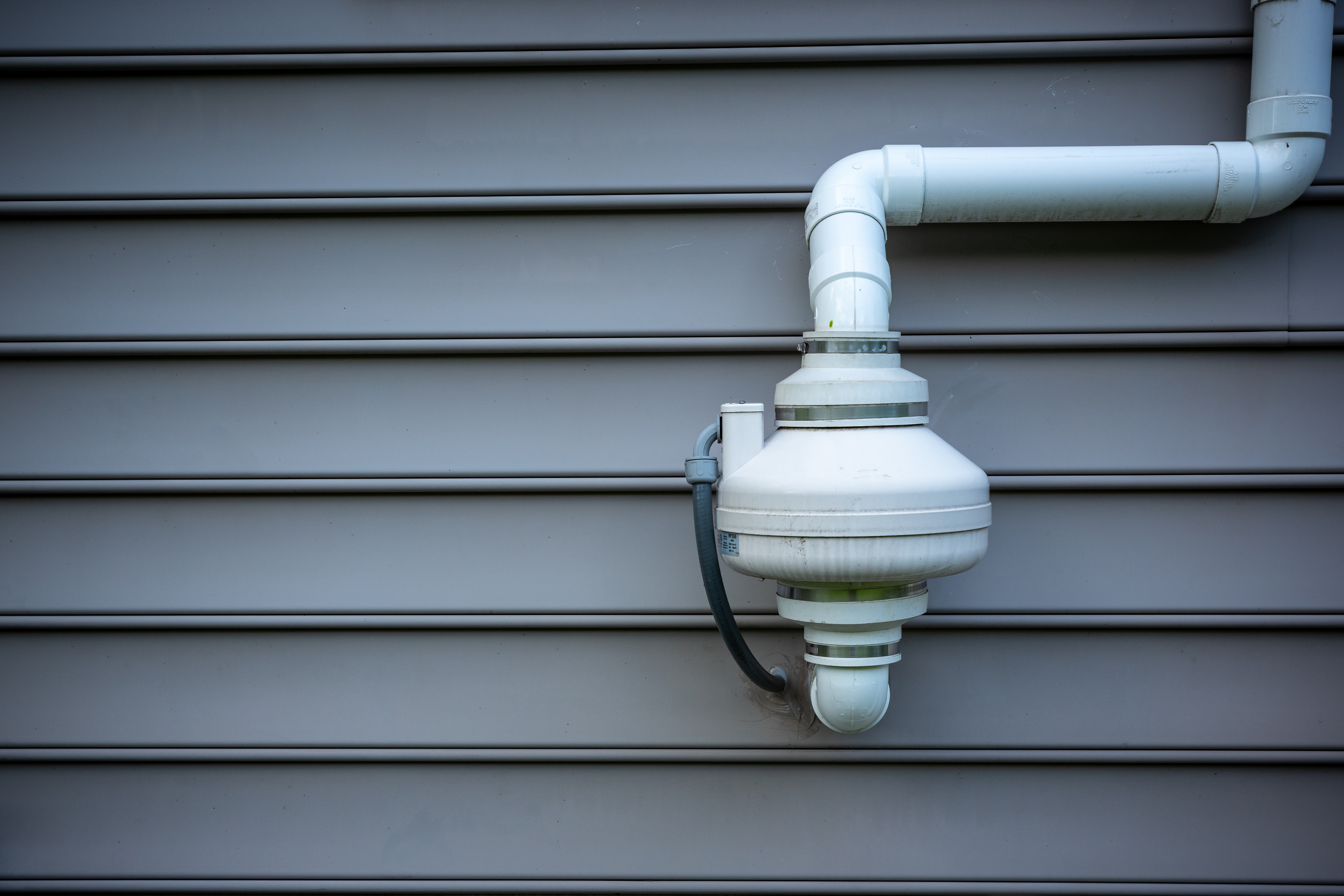
The lifespan of a radon mitigation system depends on the type of system and its maintenance. With proper care, a system can last for many decades. Passive systems tend to last longer as they have fewer components that require replacement. Active systems, which have more moving parts like fans, generally have a shorter lifespan. For instance, water filtration devices and active pressurization systems require more frequent maintenance. While the system as a whole is durable, the radon fan in an active system typically has a lifespan of 5 to 10 years and will need to be replaced. As long as the fan is working, the mitigation system should function correctly.

No level of radon is technically safe, but since it is present everywhere, complete avoidance is impossible. The average radon level in homes across the United States is 1.3 picocuries per liter (pCi/L). The Environmental Protection Agency (EPA) recommends taking preventative measures if your home's radon levels are between 2 and 4 pCi/L or higher.

Radon is a cancer-causing radioactive gas that poses serious health risks, infiltrating homes through foundation cracks and unnoticed spaces.

You'll need to test your home for radon after installing the mitigation system, then again every two years. If radon remains elevated, contact a licensed radon professional, either the contractor who installed the system or a different one, and have them evaluate the system. They may need to make some changes to improve its effectiveness and performance.

The average radon mitigation system uses about 876 kWh of electricity per year, although the exact amount of electricity used will vary depending on the size of the radon fan. Once the system is installed, the annual increase to your energy bill could range from $30 to $300 per year, again depending on the size of the fan.

The Canyon Lake, CA homeowners’ guide to radon detection and reduction services

From average costs to expert advice, get all the answers you need to get your job done.