Doorbell Installation questions, answered by experts
The most insulative type of insulation for behind drywall is spray foam insulation, but this is the most expensive insulation available. The most common insulation—sometimes considered the best for the value you get for the money—is fiberglass roll or fiberglass batt insulation, which is significantly more affordable but also far less insulative. The best kind of insulation for your house will also vary based on the climate in your area, your budget, and more. A professional insulation company can help you decide which type is best for your home.
While insulation is required for all exterior walls in a house, it is not typically required for interior walls. Local and state building codes mandate that new construction homes have adequate insulation in exterior walls and ceilings to suit the local climate.
However, there are several benefits to adding insulation to interior walls. It is excellent for sound-dampening between rooms and can help with temperature control by maintaining a regulated temperature in specific rooms and lowering heat transfer between adjacent areas. Insulating interior walls can also contribute to the overall energy efficiency of your home.
For standard 2x4 walls, the ideal insulation has an R-value between R-13 and R-15. This level of insulation, typically around 3.5 inches thick, fits well within the wall cavity. Common options include fiberglass batts and spray foam. The best choice for your home can depend on your climate; use R-value maps, like those from Energy Star, to determine the recommended level for your region. For colder climates, you might also consider adding exterior insulation for greater efficiency. Always check with your local building codes to ensure you meet any required standards.
If you plan on heating your garage, you must install a vapor barrier when drywalling the garage. A vapor barrier protects your garage from frost and mold that can occur through condensation. If your garage is unheated, you don't need to install a vapor barrier. The only exception is if you regularly crank the heat in your car before getting in it. In this case, you may still want to install a vapor barrier, as your car can heat your garage.
If you’re a savvy DIYer around the house, own the basic tools, and have enough time on your hands, you can definitely install fiberglass insulation yourself. Doing the work yourself will certainly keep overall insulation costs down. However, if you’re not confident in your handy skills around the house, call in a professional.
The Big Sur, CA homeowners’ guide to doorbell installation services
From average costs to expert advice, get all the answers you need to get your job done.
Ring a bell? From replacing a wired doorbell to setting up a smart home system, learn about typical doorbell installation costs, including materials and labor.
How much does it cost to install a doorbell camera? It depends on whether you plan to DIY or hire a pro. Learn about different models and their power sources, too.
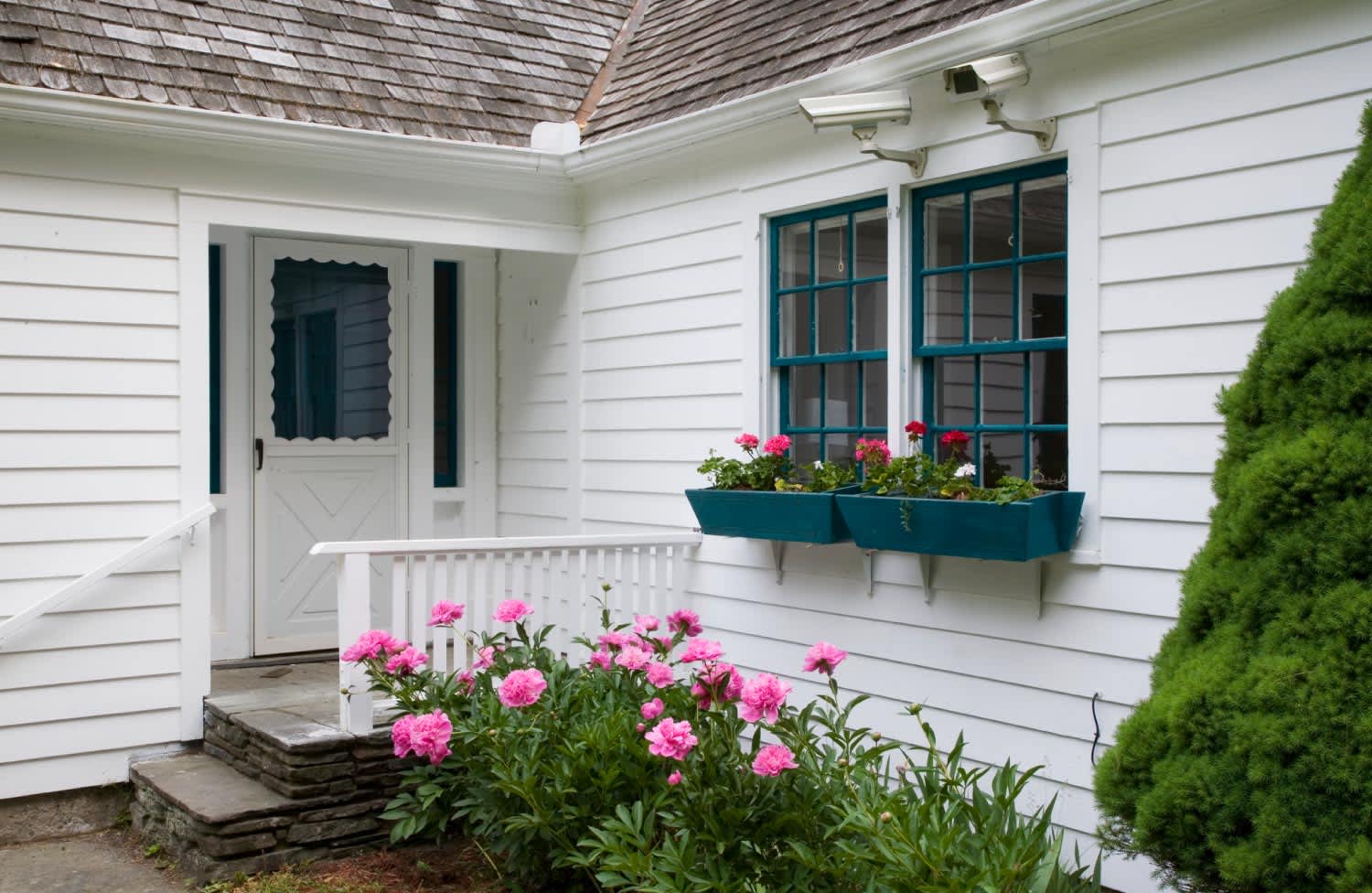
Doorbell wiring is a project you can DIY. This guide covers everything you need to know, from different types of doorbells to wiring, and how to remove an old doorbell.
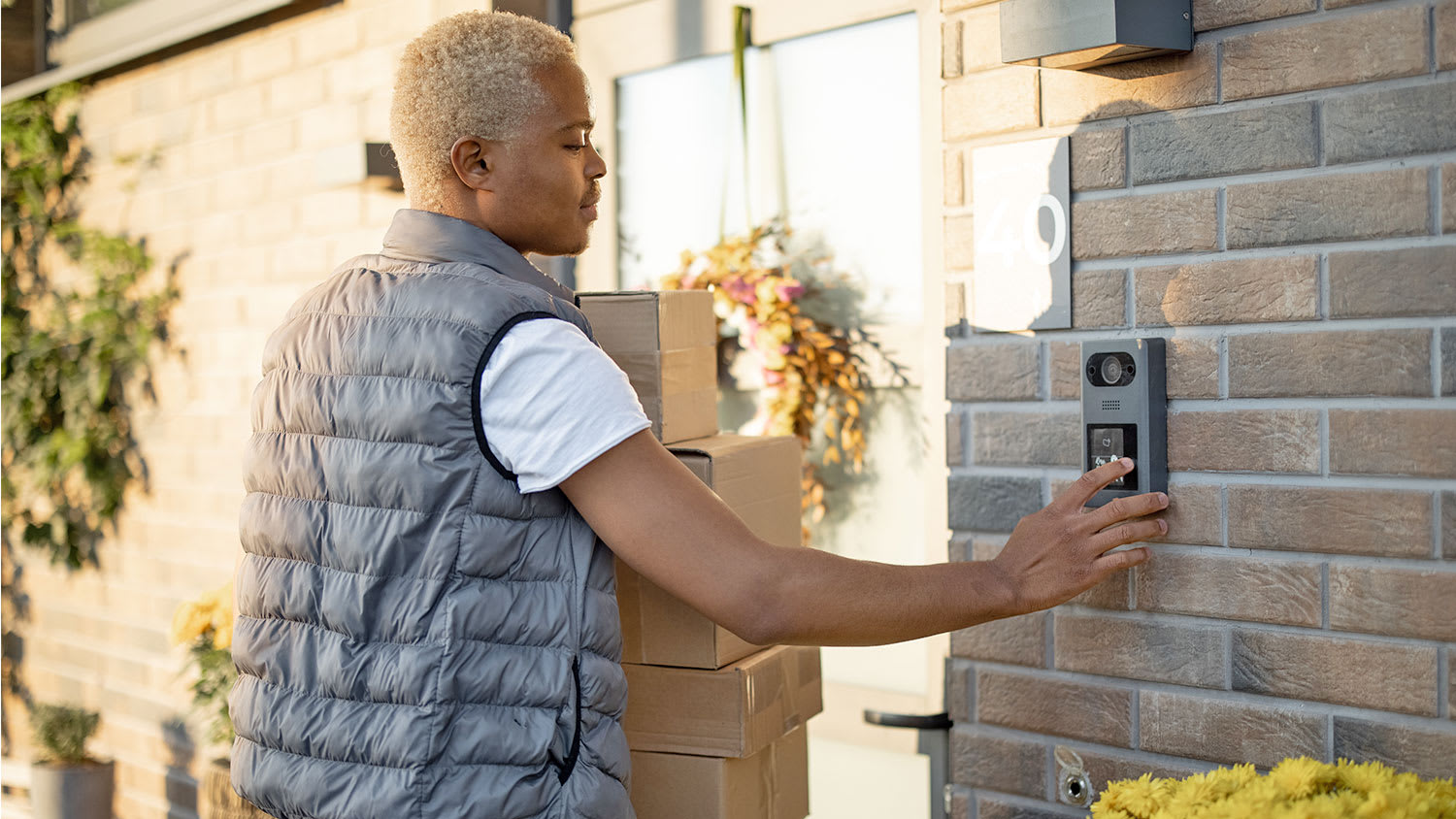
Ready to upgrade your front door and learn how to wire a doorbell? You may be able to handle this relatively simple DIY installation without an electrician.