



Top-rated driveway sealcoating pros.

Best driveway sealcoating pros near Arcata, CA

Enter your zip and get matched with up to 5 pros

Need a pro for your driveway sealcoating project in Arcata, CA?

Select your specific project to find the pro for you.

Top-Rated Driveway sealcoating pros in Arcata - Updated Nov 2026

Avatar for Ocean Seven Builders
Ocean Seven Builders
4.6(
68
)
Asphalt SealingAsphalt Sealing- For Business

Serving Arcata, CA and surrounding areas

In business since 1994

Free estimates

Emergency services offered

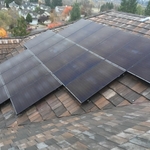
"We knew our roof needed to be replaced for a while, but kept putting it off because it felt like such a big project. After meeting with Ocean Seven Builders, we felt comfortable moving forward. Ron was straightforward from day one and didn?t overcomplicate anything. He broke everything down in simple terms and gave us a realistic timeline. The crew worked fast, showed up when they said they would, and cleaned up every day. It?s been a few weeks now and everything looks great. Happy we finally got it done!"
Additional Photos
Additional Photos
Additional Photos
Recommended by59%of homeowners
Avatar for Mega Power Electric, Inc
Mega Power Electric, Inc
5.0(
191
)
Asphalt SealingAsphalt Sealing- For Business

Serving Arcata, CA and surrounding areas

In business since 2000

Free estimates

Emergency services offered

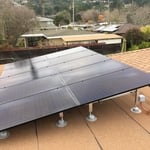
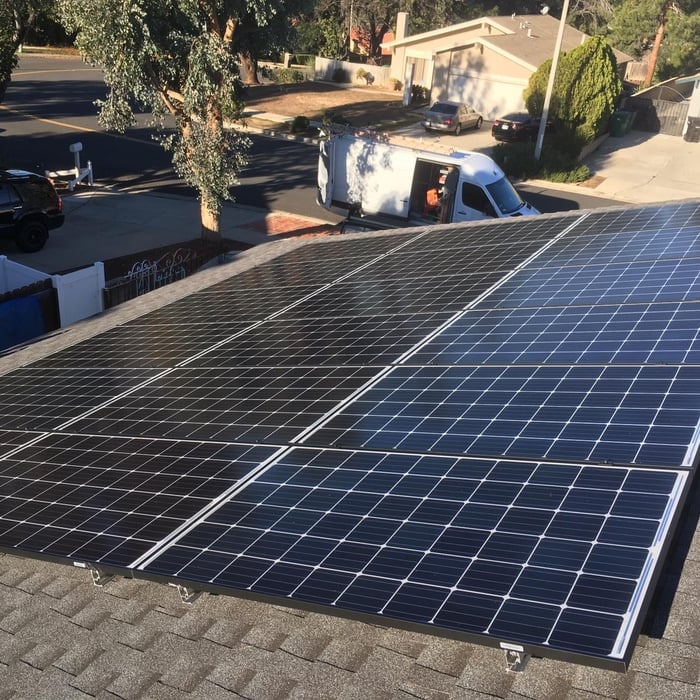
"Mega Power Electric is an excellent company to work with. Gary and his team are knowledgeable, honest, and will go out of their way to get the job done right. We installed panels and solar battery storage unit in our home and we're reaping the benefits of being clean and green."
Additional Photos
Additional Photos
Additional Photos
Additional Photos
Additional Photos

+32

Recommended by100%of homeowners
Driveway Sealcoating FAQs, answered by experts

New asphalt typically needs 24 to 72 hours to dry before it can handle light foot traffic and careful driving. Although it may appear solid after a few days, the full curing process, where the asphalt reaches its peak strength, takes much longer—generally from 30 days to a year.

During this extended curing time, the surface remains relatively soft and can be damaged by heavy vehicles, sharp objects, or high temperatures. To protect your investment, it's best to avoid parking heavy machinery on the asphalt until it has fully cured.

The exact time required for drying and curing depends on several factors, including the weather, the specific asphalt mix, and its thickness. For the most accurate advice tailored to your situation, consult with your asphalt contractor.

Chip seal lasts only 5 to 8 years on average. This lifespan is significantly shorter than asphalt. It is also less durable. Therefore, chip seal driveway only works if the traffic volume is extremely low. Chip seal is also less resistant to storms and hails. As impact builds up, the chips may become misplaced, creating an uneven driving surface that sometimes becomes hazardous and may damage your tires or cause your vehicle to lose balance.

Asphalt is made of aggregate materials (sand, rocks, and gravel) and bitumen, a viscous, petroleum-based, waterproof substance. These materials are mixed together at extremely high temperatures to form asphalt.

Though they may look similar, tar and bitumen come from different sources. Bitumen is a petroleum product—extracted during crude oil refining—and is mostly made up of hydrocarbons. Tar comes from burning down organic materials like coal or wood. Bitumen is strictly oil-based, while tar is a mix of compounds from natural sources. Both are used as binders in paving; however, bitumen is the standard for today’s asphalt. Tar use has mostly faded out of road construction.

Maintaining a driveway depends on its material. For concrete and asphalt, it's best to clean the surface thoroughly twice a year with a stiff broom and a pressure washer to remove accumulated dirt and debris. Sealing the driveway is crucial to protect it from water damage and freeze-thaw cycles. Before applying a sealant, pressure wash the surface to remove any loose sealant, dirt, or stains, as sealing over them will trap them. Any cracks or expansion joints should be filled with a flexible polyurethane caulk or asphalt sealer. In colder climates, use sand instead of salt for de-icing. Sand helps melt snow and ice without accelerating the freeze-thaw process, which can cause cracks.

The Arcata, CA homeowners’ guide to driveway sealcoating

From average costs to expert advice, get all the answers you need to get your job done.