"Absolutely love how my bathroom remodel turned out! The team at Shepherd Contracting was super professional and made the whole process so easy. They worked fast but didn’t cut any corners, and everything looks amazing. Communication was great the whole way through, and they actually stuck to the timeline (which never happens with renovations lol). Plus, they kept everything really clean, which I totally appriciated. If you’re thinking about remodeling, I 100% recommend them!"
"All of the work was done as described and in a timely manner. Alvaro (president) explained the process and answered any questions we had. The crew was punctual, courteous and respectful of the property. Windows, doors and vigas were taped off, drop cloths were used where material would splatter. After the completion of the project everything was cleaned up and put back in place. The workmanship is outstanding and the house looks brand new."
"Nothing but a positive experience from Aaron Trail. Very easy to communicate with. Very prompt, kept all appointments. The new paint looks amazing and just the colors we selected. All stucco repairs that were made were blended so well, there is no way to tell where the original issues were! I already have recommended them to friends and family, I will continue to do so. Very happy with Aaron Trail! "
"They were professional and he is always looking online to find ways to get the job done and ask my opinion about it. He also clean the space where he works and that is incredibly the best quality service."
"So I needed a shelf fixed. I got a response almost immediately. The install was better then the contractors that put in the d*** thing years ago. Will definitely use again for any repairs that may come up. Thank you!!"
"It went exactly as planned. Adan Montoya was very communicative, helpful and patient throughout the project. He is friendly, fair, conscientious and hard working."
"Tim Ehlers DBA Patriot Roofing suggested that we go back to the company that actually put the roofing material on. He did not take advantage of the situation. Everything went efficiently. My husband had the main conversation with him and it wasn't a lot of time off of my husband's schedule, because I think he came from work to stop and visit with him. It seemed to go well."
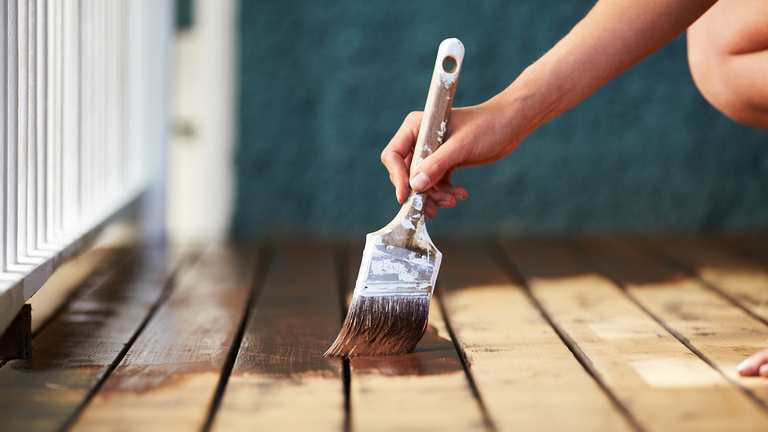
You’ll want to avoid excessively hot or humid conditions, so it’s best to apply your stain in late spring to early fall. It's also important to watch the weather forecast and aim for days when there isn’t rain expected for at least three days. For new decks, allow the wood to season beforehand for at least four to eight weeks.
Avoid using cleaning products that are abrasive or contain bleach or acidic components on composite decking to avoid discoloration. Early-generation Trex decking isn’t designed to handle pressure washer cleaning—and if you use them on second-generation boards, always use a low setting to avoid the risk of damage that can risk voiding your warranty.
Beyond liquid rubber, homeowners can use sealants, stains, membranes, or tapes as waterproofing options. Oil-based or water-based sealants soak into the wood, creating a moisture-resistant barrier. Waterproofing stains—available in transparent, semi-transparent, and solid colors—add both protection and style to your deck. For heavy-duty waterproofing, deck membranes and waterproof tapes can be applied under the deck boards to direct water away from the structure below. Whatever method you choose, clean and prep the deck first to ensure the best, longest-lasting results.
Whether you can paint over your existing paint depends on what’s on there. Most of the time, you’ll want to sand down or scrape off the paint that’s currently coating your surface. Epoxy paint, for example, won’t let new paint stick to the surface. Latex paint is more forgiving and will accept a new coat, but a primer is recommended if you’re switching colors.
You’ll need to wait until the surface is completely dry, which can take anywhere from 24 to 48 hours under optimal conditions. The waiting period depends on several factors, including the type of siding and the weather conditions. Trying to paint before the surface is completely dry can trap moisture under the paint, leading to bubbling, blistering, and mold growth.
The Shonto, AZ homeowners’ guide to deck staining services
From average costs to expert advice, get all the answers you need to get your job done.
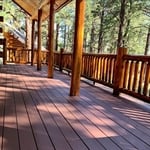
The best time to stain a deck is when it’s dry but not too sunny. How often you restain a deck depends on climate and wood type, but every two to three years is normal.