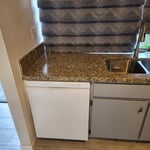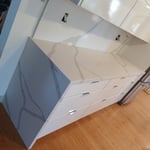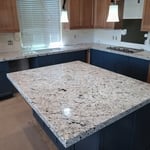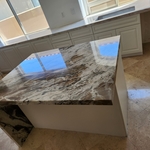






Top-rated countertop and backsplash pros.

Get matched with top countertop and backsplash pros in Roll, AZ

Enter your zip and get matched with up to 5 pros

Need a pro for your countertop and backsplash service project in Roll, AZ?

Select your specific project to find the pro for you.

Find Countertop and backsplash pros in Roll

American Specialty Counters
5.0(
1
)
Solid Surface Countertops - Install (Concrete, Stainless Steel, etc)

Serving Roll, AZ and surrounding areas

In business since 2014

Free estimates

Credit card accepted

American Specialty Counters is a family owned and operated company serving the homeowners of Arizona. We pride our company on professionalism, punctuality, affordability and above all, our clients' satisfaction. If you are in need of a new countertop, give us a call today!

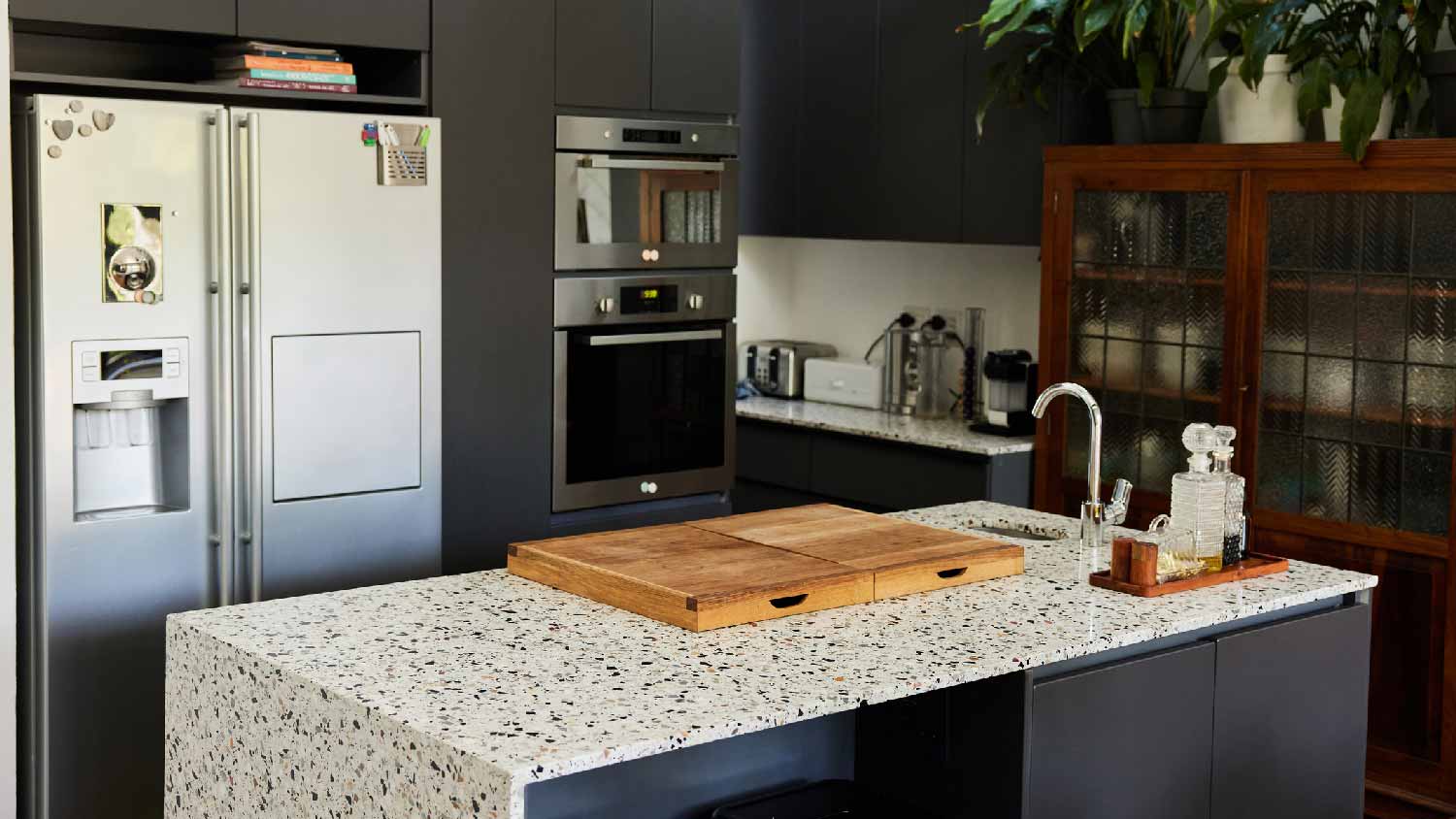
Rustic/counrty
Rustic/country
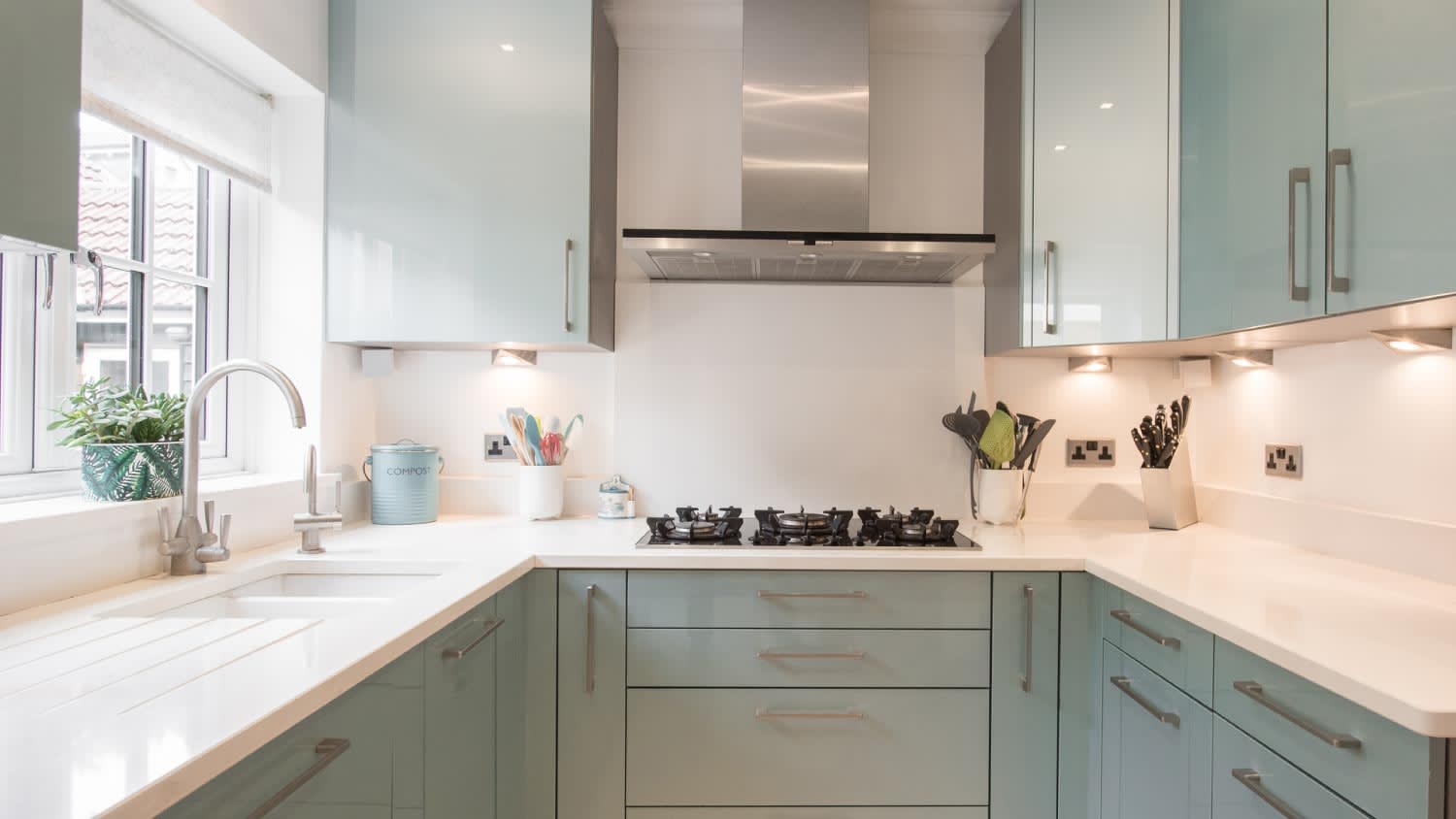
Simple grey
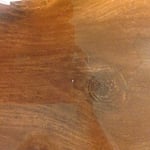
Wood grain texture
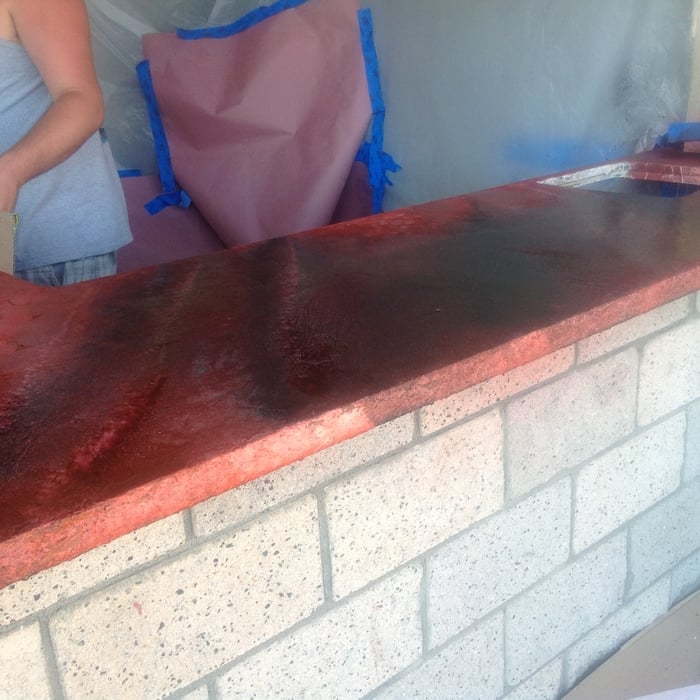
Fire red and black

+2

Response time50 mins
Recommended by100%of homeowners
Countertops and Backsplashes questions, answered by experts

Marble countertops can last from 20 to 100 years, making them an excellent choice for anyone looking for durability. The life span depends on several factors, including how well you take care of your marble countertops. Marble is a porous material, so it can require more upkeep than other countertop options.

The frequency for sealing granite countertops depends on several factors, including the type of sealant used, the color of the granite, and how heavily the countertops are used. As a general guideline, resealing is often recommended every 12 to 18 months, but some sources suggest it could be as often as every few months or at least once a year.

The type of sealant is a major factor: water-based sealants may need reapplication every six months to a year, while more durable solvent-based sealants can last for five to 10 years. Additionally, factors like heavy kitchen traffic, frequent use of acidic cleaners, and lighter granite colors may require more frequent sealing to prevent staining.

To determine if your countertops need resealing, you can perform a simple water test. Place a few drops of water or a wet paper towel on an inconspicuous area of the granite. After 10 to 15 minutes, check the spot. If the water has beaded up, the seal is still intact. If the water has been absorbed and darkened the stone, it's time to apply a new coat of sealant. You can choose to seal the granite yourself or hire a professional to ensure it's done correctly.

Porcelain is a relatively affordable, mid-range countertop material. It typically costs between $50 to $70 per square foot.

Compared to quartz, porcelain is slightly more affordable, as quartz generally ranges from $50 to $200 per square foot. However, lower-quality, builder's grade quartz can be similar in price to porcelain.

Compared to granite, the price can be similar, depending on the quality of the stone. While granite slabs can range from $50 to $200 per square foot, you can find lower-end granite in the same price range as porcelain. High-end granites will cost significantly more.

Porcelain is generally more expensive than laminate, acrylic, and ceramic, but less expensive than high-end slate, concrete, and marble. A key benefit is that porcelain does not require sealing, which reduces long-term maintenance costs.

Engineered stone countertops range in price between $60 and $200 per square foot. The three main types are quartz, recycled glass, and sintered stone. The most affordable is sintered stone, which is ideal for outdoor kitchens and costs $60 to $100 per square foot.

Recycled glass countertops fall in the middle at $65 to $140 per square foot and offer a very distinct look. Meanwhile, quartz counters are on the higher end of the price range at $50 to $200 per square foot. Popular quartz options mimic the look of natural stones like marble and granite.

Marble countertops cost $3,000 on average, ranging from about $2,000 to $5,000, depending on the type of marble, square footage, location, and whether you use tiles or slabs. Another major cost factor to consider is the grading of the marble, which determines its quality level.

Use this grading system when selecting marble for countertops:

  • Grade A: Nearly perfect with subtle veining

  • Grade B: Minor flaws such as pits, fissures, or blotches

  • Grade C: Minor and major flaws like chipping and cracks requiring repair

  • Grade D: Significant damage needing repair, with dark veining and pronounced colors

The Roll, AZ homeowners’ guide to countertop and backsplash services

From average costs to expert advice, get all the answers you need to get your job done.