Some flushable wipes companies say they are designed to disintegrate within a few hours to a few days after being flushed. These wipes allegedly use materials that are more water-soluble than traditional wipes. However, many experts have raised concerns that even so-called "flushable" wipes do not break down as easily as claimed and can contribute to clogs and blockages in sewer systems.
To prevent plumbing and sewer problems, avoid flushing wipes, even those labeled as flushable. Instead, dispose of them in the trash. This can help prevent costly plumbing issues and reduce the strain on wastewater treatment systems.
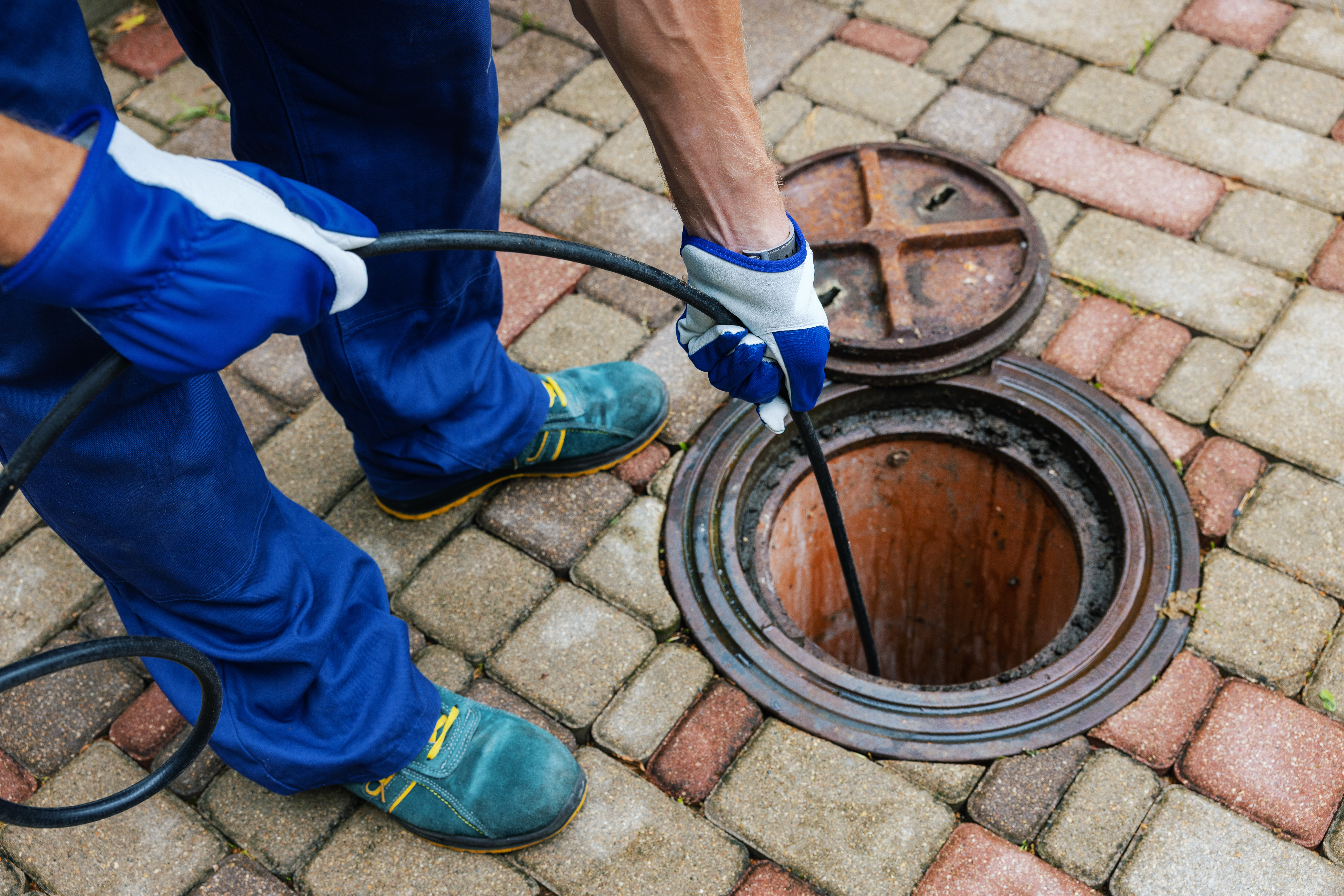
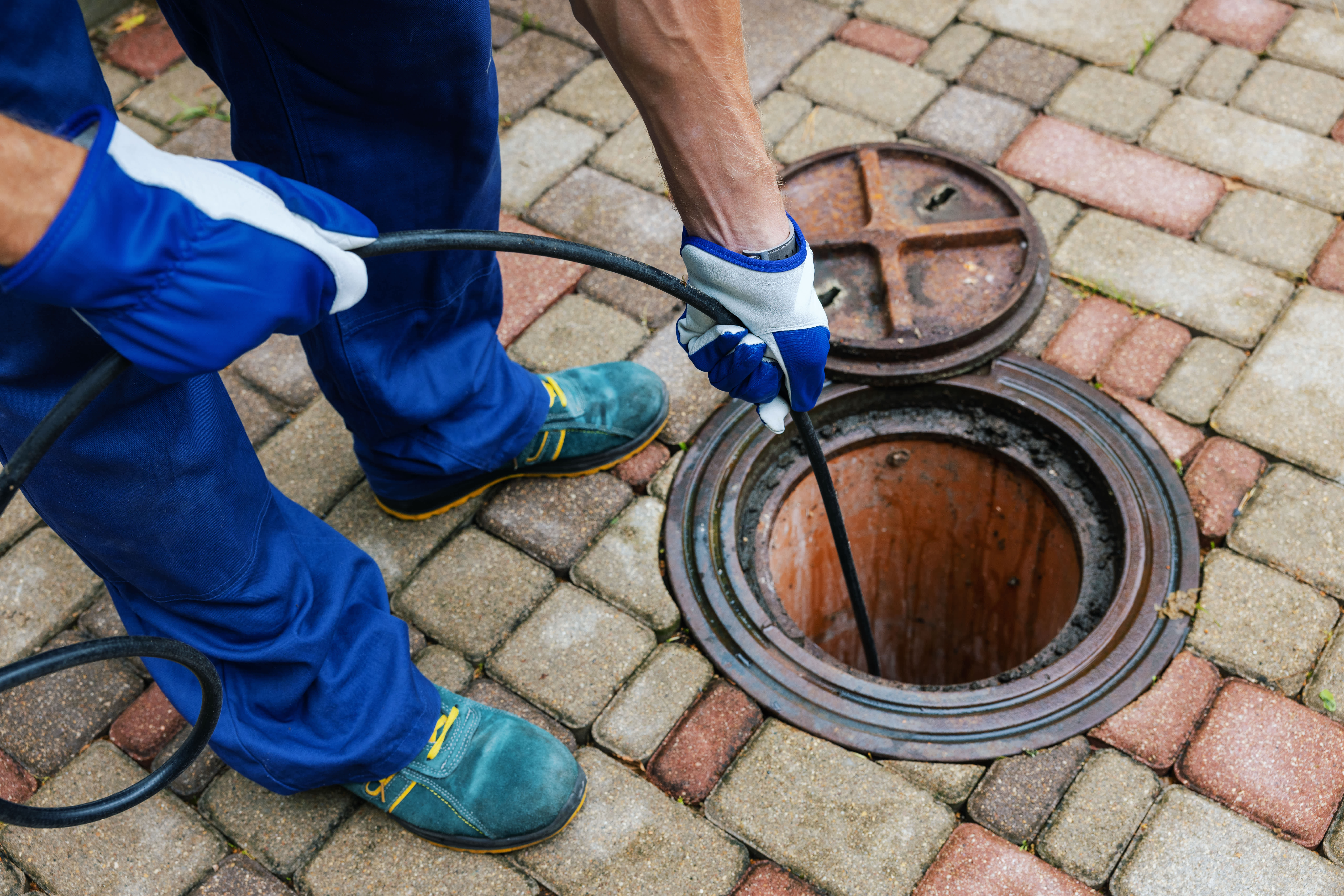
Unlike regular cleanings, snaking your sewer line should be done as needed. There’s no reason to snake your sewer line if you don’t have any noticeable issues, like slow drainage or plugged drains. You can add it to your regular sewer cleaning checklist as a prevention method (on the same 18- to 22-month schedule), but it’s not always necessary.
In most areas, drain cleaning professionals don’t technically need a license, as they aren’t altering your plumbing system in any way. However, we recommend hiring a drain cleaning professional with a plumbing license and certification. Certified plumbers are more likely to provide professional solutions to drain clogs without damaging your system. They’ll also have the diagnostic tools and experience necessary to remove the clog entirely rather than providing a temporary solution, as a handyperson might. Use Angi’s state licensing tool to check your plumber’s professional licenses before hiring.
You could be smelling sewer gas in your kitchen because of a dry P-trap, clogged vent pipe, or leaking plumbing seals. If you smell a rotten egg odor, check your sink’s P-trap and plumbing connections first. A clogged or damaged vent pipe can trap sewer gas and push it back into your kitchen through the plumbing pipes. Loose or deteriorated seals around drainpipes can also allow sewer gas to leak out. If you can’t find the source, call a local plumber for expert help.
It is generally safe to stay in a house that smells like sewage for a short time, but you should get the problem fixed as soon as possible. While the level of sewer gas is usually low enough to only cause minor symptoms, prolonged inhalation can lead to headaches, nausea, or respiratory irritation. High levels of gas exposure can be more dangerous, and high concentrations of methane—a component of sewer gas—can pose an explosion risk in enclosed spaces. If you smell sewer gas in your home, ventilate the area and call a professional to locate, assess, and fix the problem, as it will not go away on its own.
The First Mesa, AZ homeowners’ guide to sewer cleaning services
From average costs to expert advice, get all the answers you need to get your job done.
A clogged main sewer line can lead to gas or wastewater leaks. Find out what main sewer line clog repair costs by type of service, clog severity, and more.
The best way to keep your sewer line running smoothly is with some regular maintenance. But don’t worry—it doesn’t take much effort. Read on to learn how.