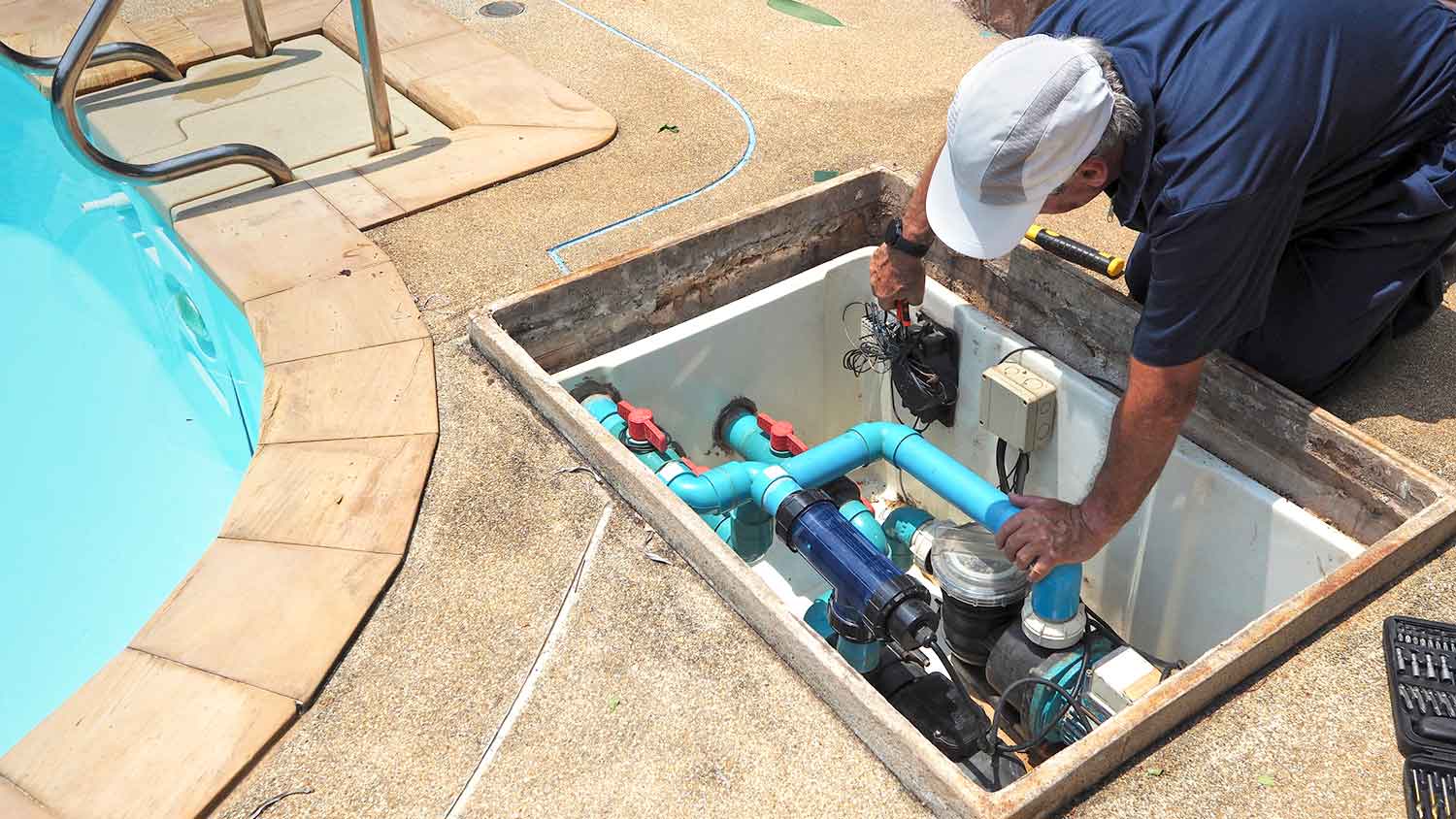
"It was great, the pool technician was very helpful and kept us updated on what repairs were needed. He followed up after his visit to ensure we knew the next steps. 10/10 would have this technician again."
"Rather than fix the issue the first 2 calls, more refrigerant was pumped into the system. This cost me $75 for each call plus the cost of the refrigerant. The 3rd time, they fixed a valve and refilled the refrigerant and I am monitoring to see if this really fixed the problem. So I am out $225 for service calls fro the same problem and the cost of the refrigerant. I think they take this approach intentionally."
Yes, you can use silicone or epoxy hot tub repair kits to repair cracks in a hot tub. Always read the manual to see what the manufacturer recommends before attempting to repair a hot tub.
If water is left inside the hot tub pump over a cold winter, it could freeze and severely damage the pump, water lines, and jets. That can cause leaks, which require very expensive repairs. Freezing or leftover water can stain and damage the hot tub shell, which leads to replacement. Even in mild climates, leaving sitting water in the tub or pipes for a long period of unuse is a bad idea, since disinfecting chemicals fade and the water can develop bacteria, algae, and other big headaches when it’s time to use the tub again.
To refill a hot tub after winter, start by opening up the tub and giving it a quick cleaning. If you use antifreeze, drain out the water then grab a hose and thoroughly clean the tub shell out, spraying water into each jet of the tub.
Reconnect the hot tub and turn the power back on. When it’s time to fill the tub again, insert the hose into the filter well (if available). Avoid trapping too much air in the water lines, which can cause the pump to lock up when it starts again. Add the necessary chemicals and start the heating process. It will take some time—most of a full day—for the water to heat up again.
Algae-related green hot tub water is generally safe to use, as algae aren't usually harmful to your health. However, if the conditions in the hot tub are hospitable to algae growth, they may also be hospitable to the growth of other types of microorganisms, including Pseudomonas aeruginosa, bacteria that can cause hot tub rash, or Legionella bacteria, which can cause respiratory illness.
Yes, but only if it is a freshwater tub (not saltwater) and if you make sure the chlorine and bromine levels are below 1 ppm.
The First Mesa, AZ homeowners’ guide to pool and spa services
From average costs to expert advice, get all the answers you need to get your job done.
Discover how much pool maintenance costs, including average prices, cost factors, and expert tips to help you budget and keep your pool sparkling all season.
What’s the difference between a swim spa vs pool? Both can be great additions to your property; here’s how to decide which one makes the most sense for you.
If you live in an area without very cold winters but tempted to close your pool during the cooler months, read on. We dive into the many benefits of winter service.