
Top-rated concrete cutting pros.

Best concrete cutting pros near Duncan, AZ

Enter your zip and get matched with up to 5 pros

Need a pro for your concrete cutting project in Duncan, AZ?

Select your specific project to find the pro for you.

Top-Rated Concrete cutting pros in Duncan - Updated Nov 2026

Avatar for Desert View Contracting
Desert View Contracting
5.0(
5
)
Concrete - Sawing or RemovalConcrete - Sawing or Removal- For BusinessConcrete Flatwork - Repair & Resurface

Serving Duncan, AZ and surrounding areas

In business since 2024

Free estimates

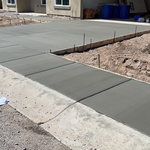
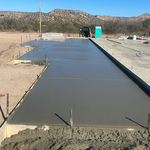
"I recently had a new concrete driveway installed, and I am extremely impressed with the quality of work! From start to finish, the entire process was smooth and professional. The team was punctual, courteous, and highly skilled, taking the time to explain every step of the process and addressing any questions I had. The driveway itself looks fantastic. I highly recommend this company for anyone looking to install or replace their driveway The results are durable, high-quality, and worth every penny. I’m thrilled with the finished product and confident it will last for years to come!"
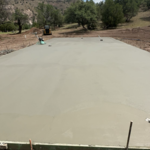
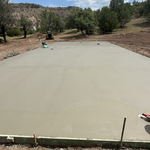
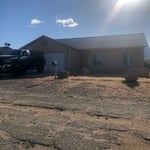
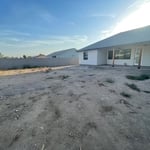
Finished pad
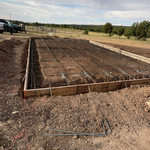
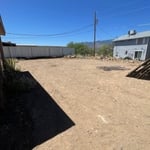
Additional Photos
Additional Photos
Recommended by100%of homeowners
Concrete Cutting FAQs, answered by experts

This all depends on the tools you have on hand and whether you’re trying to cut a straight line or shapes. 

The best tool to use for straight lines is either a circular saw or table saw. When cutting shapes, a jigsaw will be the easiest and most precise tool to use. 

Welding is the process of using extreme heat—and, sometimes, pressure—to attach two pieces of metal. In contrast, metal fabrication is a more involved process that can include welding, sheet metal work, bending, and other forms of metal manipulation. Metal fabrication is a large-scale project that may or may not involve welding, while welding is more often a step in larger fabrication projects.

Since water heaters are primarily made of metal, they’re commonly accepted by scrap yards and collectors. Don’t expect to fetch a high price, though—water heaters are mostly steel and aluminum, which aren’t high-value metals. Some components are made of more valuable metals, like brass and copper, but they’re a small portion of the heater and won’t affect the price much.

You should not do your own welding unless you have the proper training and experience. Most home electrical systems can only handle MIG welding, which creates weaker bonds than TIG welding and won’t work on certain metals or metal thicknesses. Both welding forms usually require the use of shielding gas, which can be dangerous to store at home. Additionally, welding machines create temperatures of over 3,000 degrees, and the sparks can blind you if you don’t have the proper equipment. As such, it’s usually better to hire a professional welder for your welding projects.

The average cost for a welding project is about $300, with typical costs ranging from $125 to $490. However, prices can be as low as $125 for very small jobs or exceed $1,200 for large or complex projects. Welders typically charge an hourly rate between $65 and $150, depending on their experience, and many charge a minimum fee to cover overhead and travel expenses. The total cost is influenced by several factors, including labor, the cost of materials like metal rods and shielding gas, the type of metal being welded, the project's size and complexity, and your geographic location. For a precise quote, it's best to ask a local welder for an estimate based on your specific project.

The Duncan, AZ homeowners’ guide to concrete cutting services

From average costs to expert advice, get all the answers you need to get your job done.