"I only use James when I need some work done to my house. He responds fast, gets the work done quicker than just about anyone else I've ever used and seems very concerned with leaving his customers happy."
While some people are confident in their ability to replace concrete by drilling out the broken pieces and replacing them with bagged concrete, it’s possible to run into snags that make hiring a professional worth it. Trying to level concrete slabs can require special equipment, which can be pricey to rent and tough to operate. It's also crucial to contact your town's municipal office to ensure you are allowed to take on the project without a permit.
Your peel-and-stick wallpaper can fall off for multiple reasons, including high humidity levels, extreme temperature changes, poor installation, and even the wall surface. Textured walls can prevent the adhesive from fully sticking to the wall, making it more likely for the wallpaper to peel off. Low-quality wallpapers with weaker adhesives are also more likely to fall off prematurely.
No, you don’t need to apply paint primer to your wall before hanging paintable wallpaper. Manufacturers design paintable wallpaper so that the paint will adhere effectively, so primer isn’t necessary. Plus, even if you opt for a light shade of paint, you won’t have to worry about the shade underneath showing through because you are painting on a light, white surface.
In most cases, it is not recommended to wallpaper over existing wallpaper, as the success depends on the type of paper already on the wall. While you might be able to cover non-coated wallpaper, you should never apply new wallpaper over a vinyl-coated one, which is more common. Doing so can lead to poor adhesion, resulting in bubbles, imperfections, and peeling. It can also trap moisture, potentially causing hazardous mold growth between the layers.
Even if the existing wallpaper is suitable, experts recommend applying only one new layer. Adding multiple layers (more than two total) can cause significant adhesion problems, leading to warping and bubbling. For the best results, the recommended approach is to remove the old wallpaper and all paste residue before hanging the new paper. If you are unsure about your wallpaper type, consider consulting a professional.
Yes, but professional services ensure secure installation, accurate leveling, and protection against wall damage, especially for heavy or valuable items.
The Cibecue, AZ homeowners’ guide to wallpaper services
From average costs to expert advice, get all the answers you need to get your job done.
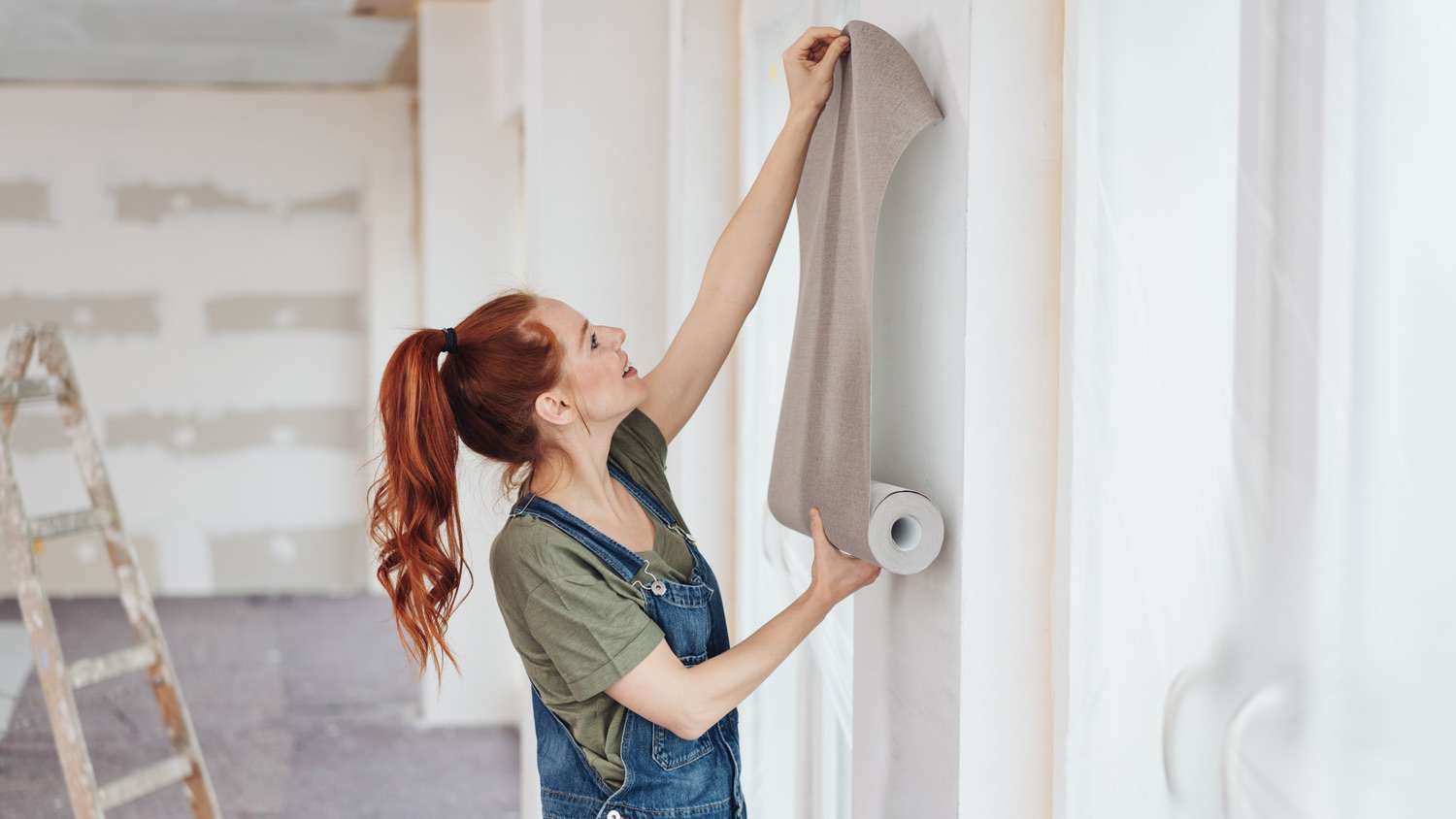
Discover wallpaper installation cost. Learn about material, labor, and project factors to estimate your budget and make informed choices for your home.
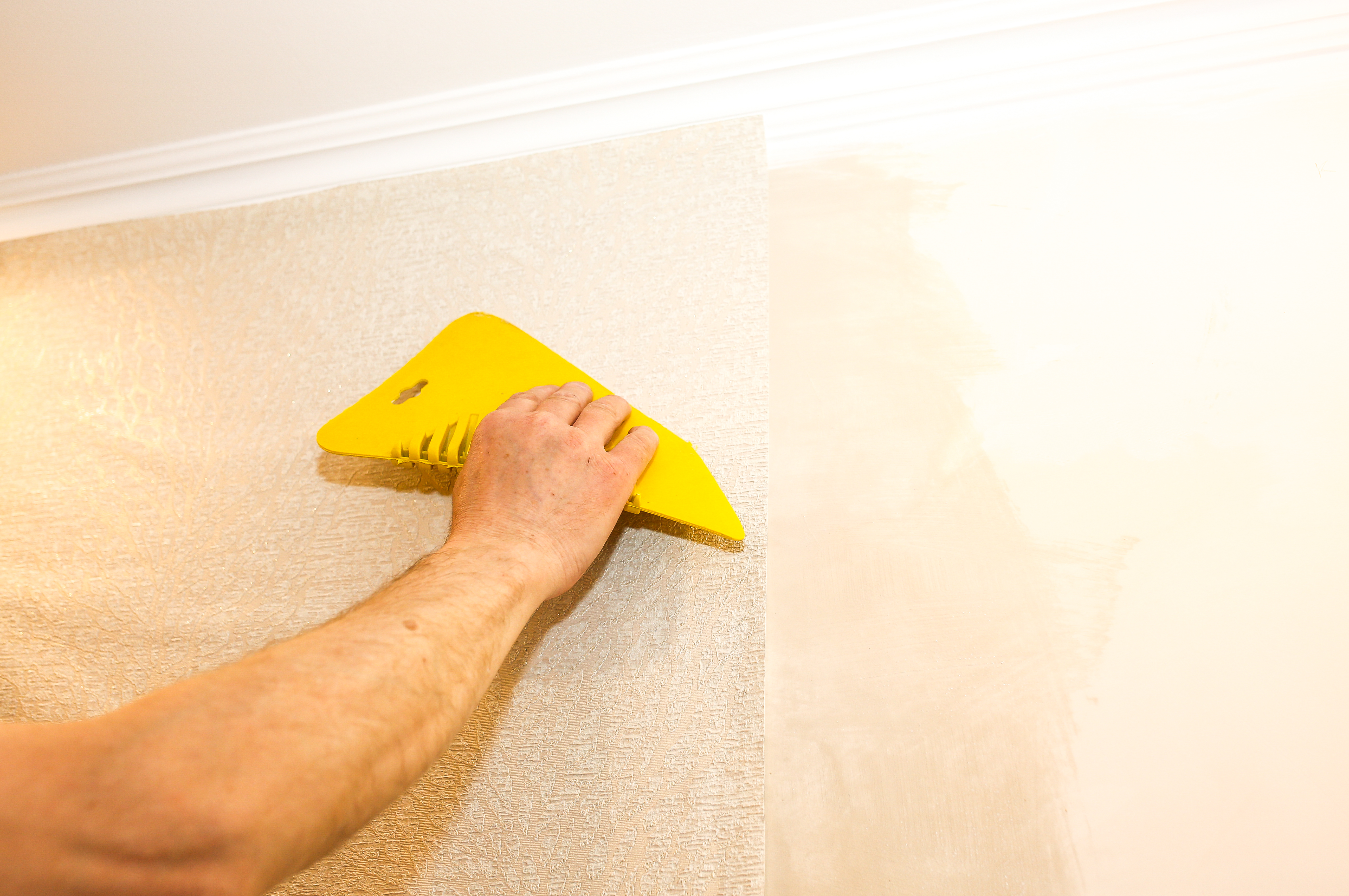
Whether you can put wallpaper over wallpaper depends on the type of paper you’re using and the condition of the existing surface. Learn more with this guide.