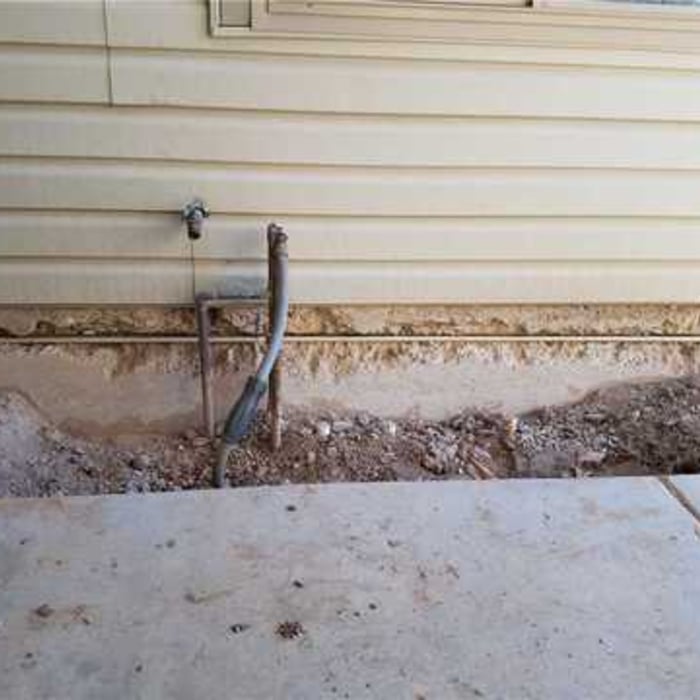
"Alex and Donavan were very thorough. Discovered more than what we called them for. We originally wanted information on sealing cracks to eliminate cricket infestation coming through cracks in stem wall. We were not interested in repairing foundation rebar which is typical in slab homes in AZ. They were knowledgeable and honest in their evaluation of our home."
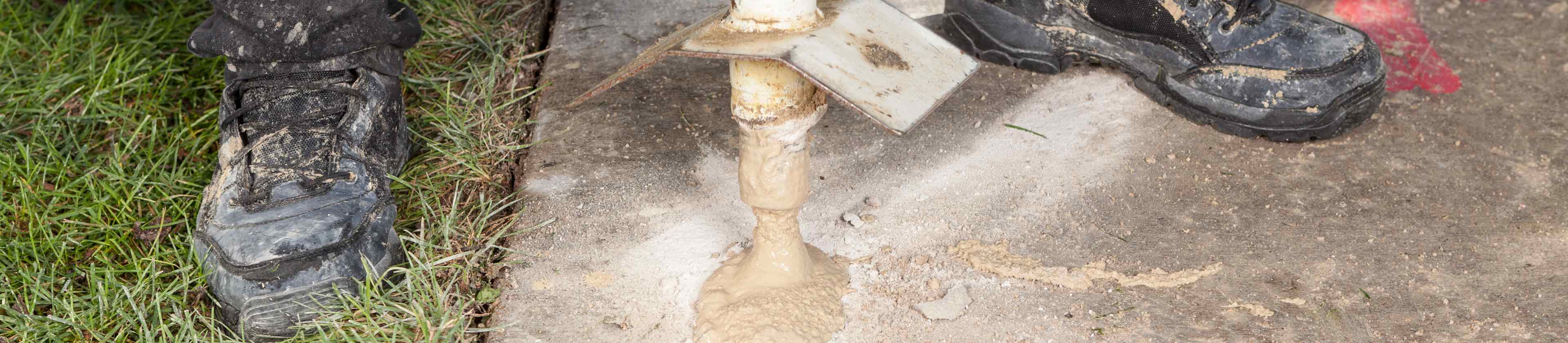
Concrete Mudjacking questions, answered by experts
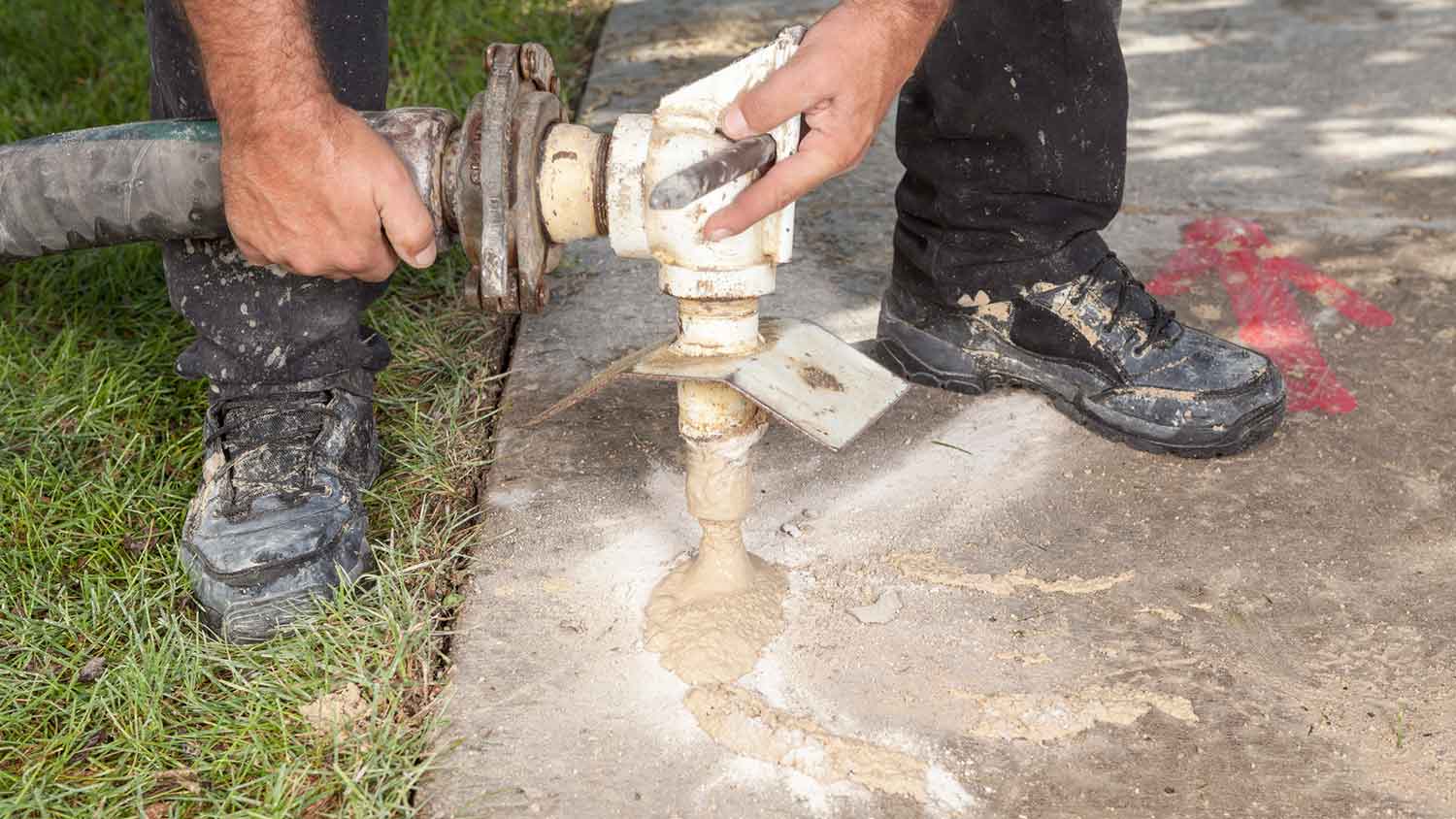
There is no real alternative to underpinning, although mudjacking and polyjacking are other repair methods that can add support from underneath your foundation. Rather than placing supportive piers under your structure, these involve pumping a material under your slab to lift a sunken section back into its original position. Polyjacking, in particular, is sometimes a suitable solution for stabilization issues under slab foundations, but underpinning is often accepted as the best and most permanent solution.
Most projects take 1-3 hours, with immediate usability after completion.
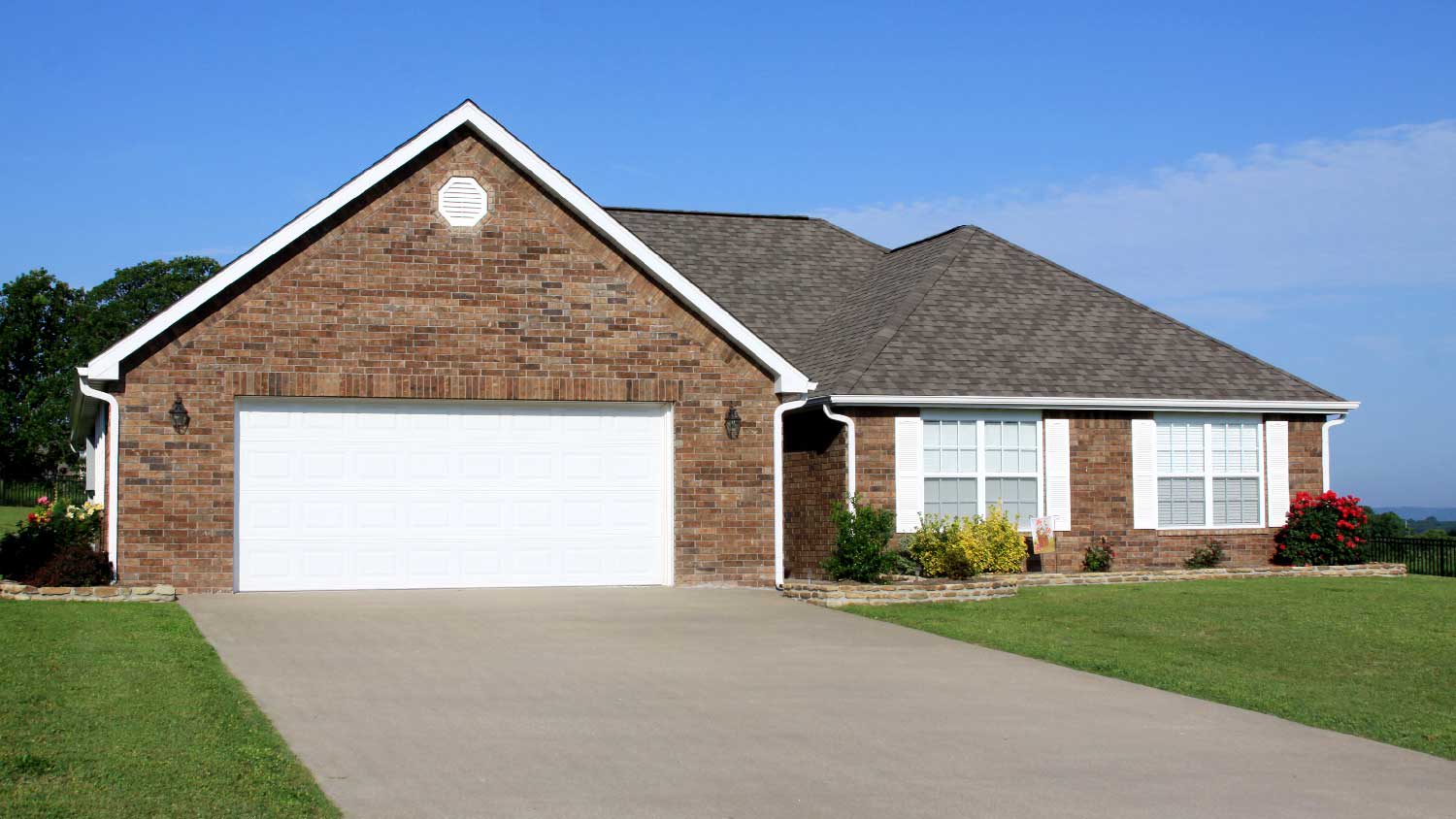
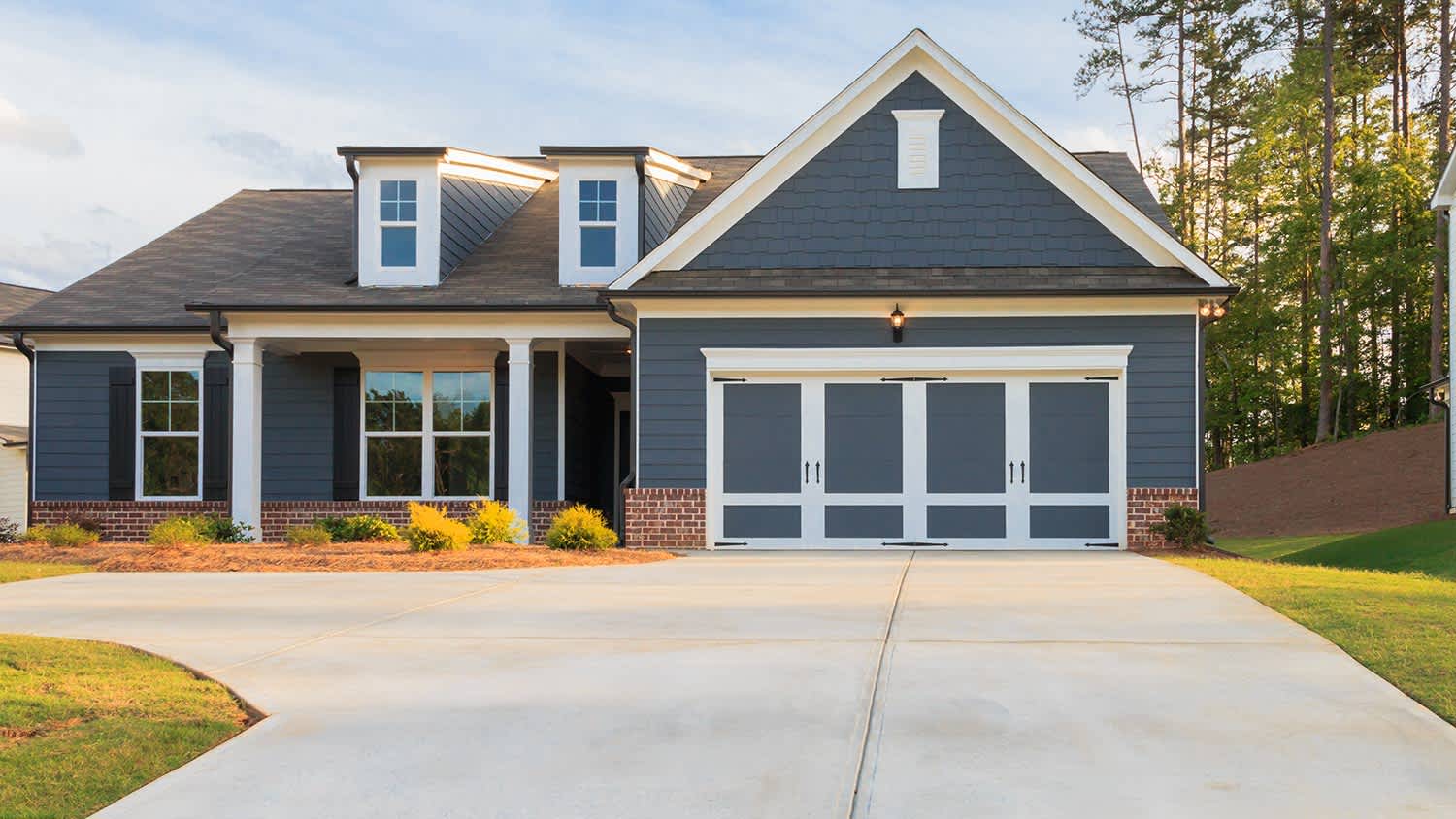
Charges correlate with surface size, settlement depth, and access, often yielding significant savings over concrete replacement.
The timeframe is generally a few hours, allowing for immediate use post-hydration, ensuring minimal disruption to surrounding activities.
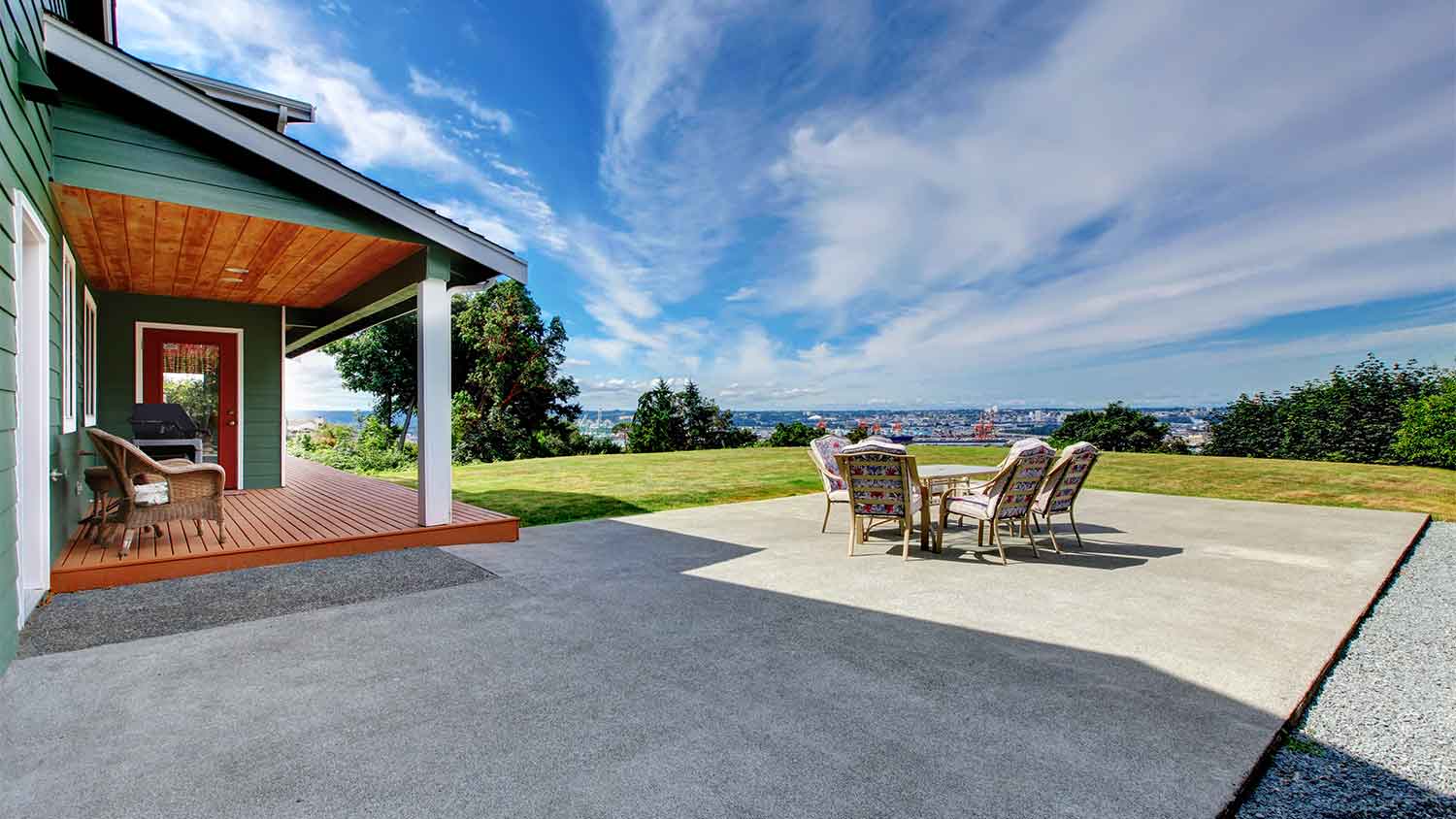
Pros often use mudjacking or polyurethane foam injection to level a sunken concrete patio. Both methods lift the slab by filling voids beneath it. After properly compacting the soil beneath it to prevent future settling, the concrete may need to be removed and re-poured for severe sinking.
The Cibecue, AZ homeowners’ guide to concrete mudjacking services
From average costs to expert advice, get all the answers you need to get your job done.
DIY mudjacking is an advanced task, but learning how to raise a concrete slab is great to know for many scenarios. Let's take a look at how to DIY mudjack.