Doorbell Installation questions, answered by experts
Insulating an unheated garage can still be worth it. For instance, insulating an attached garage can help with heat loss from your house in general, and it can also make it easier to store electronics in your garage without worrying about them being exposed to extreme temperatures.
If you use your detached garage as a workspace, insulation can still make a difference. Plus, you can use space heaters and a window unit AC to help condition the space while you work without installing heating.
One of the clearest signs that your insulation isn’t working as well as it should be is a noticeable difference in temperature throughout your home. One room might feel icy while another is hot as Arizona—this indicates that some parts of your home are either retaining or losing heat more than others. Additionally, a sudden increase in your energy bills, evidence of pests or rodents, or evident water damage are other signals that warrant a thorough inspection of your insulation and potential replacement.
If you plan on heating your garage, you must install a vapor barrier when drywalling the garage. A vapor barrier protects your garage from frost and mold that can occur through condensation. If your garage is unheated, you don't need to install a vapor barrier. The only exception is if you regularly crank the heat in your car before getting in it. In this case, you may still want to install a vapor barrier, as your car can heat your garage.
Insulation is professionally installed by measuring spaces, cutting materials to fit correctly, and placing them without gaps for optimal thermal resistance.
Insulating your ducts offers several benefits, including:
Improved energy efficiency: Duct insulation prevents energy losses, reducing heating and cooling costs.
Cost savings: Lower energy bills make insulation a cost-effective investment.
Environmental benefits: Enhanced efficiency reduces your carbon footprint.
Consistent comfort: Insulated ducts help maintain a stable indoor temperature.
Better indoor air quality: Reduced allergens and pollutants improve air quality.
The Chambers, AZ homeowners’ guide to doorbell installation services
From average costs to expert advice, get all the answers you need to get your job done.
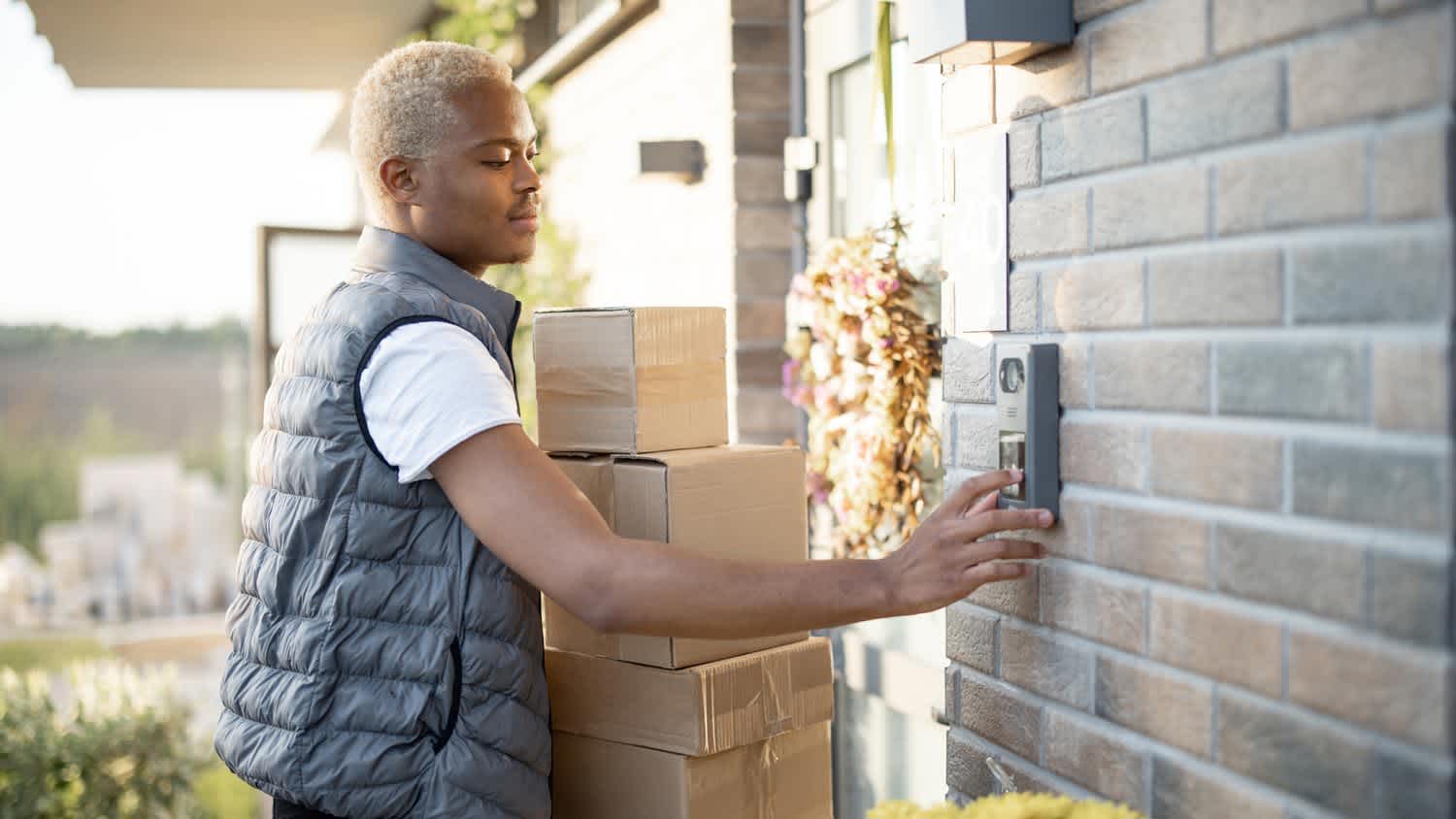
Ring a bell? From replacing a wired doorbell to setting up a smart home system, learn about typical doorbell installation costs, including materials and labor.
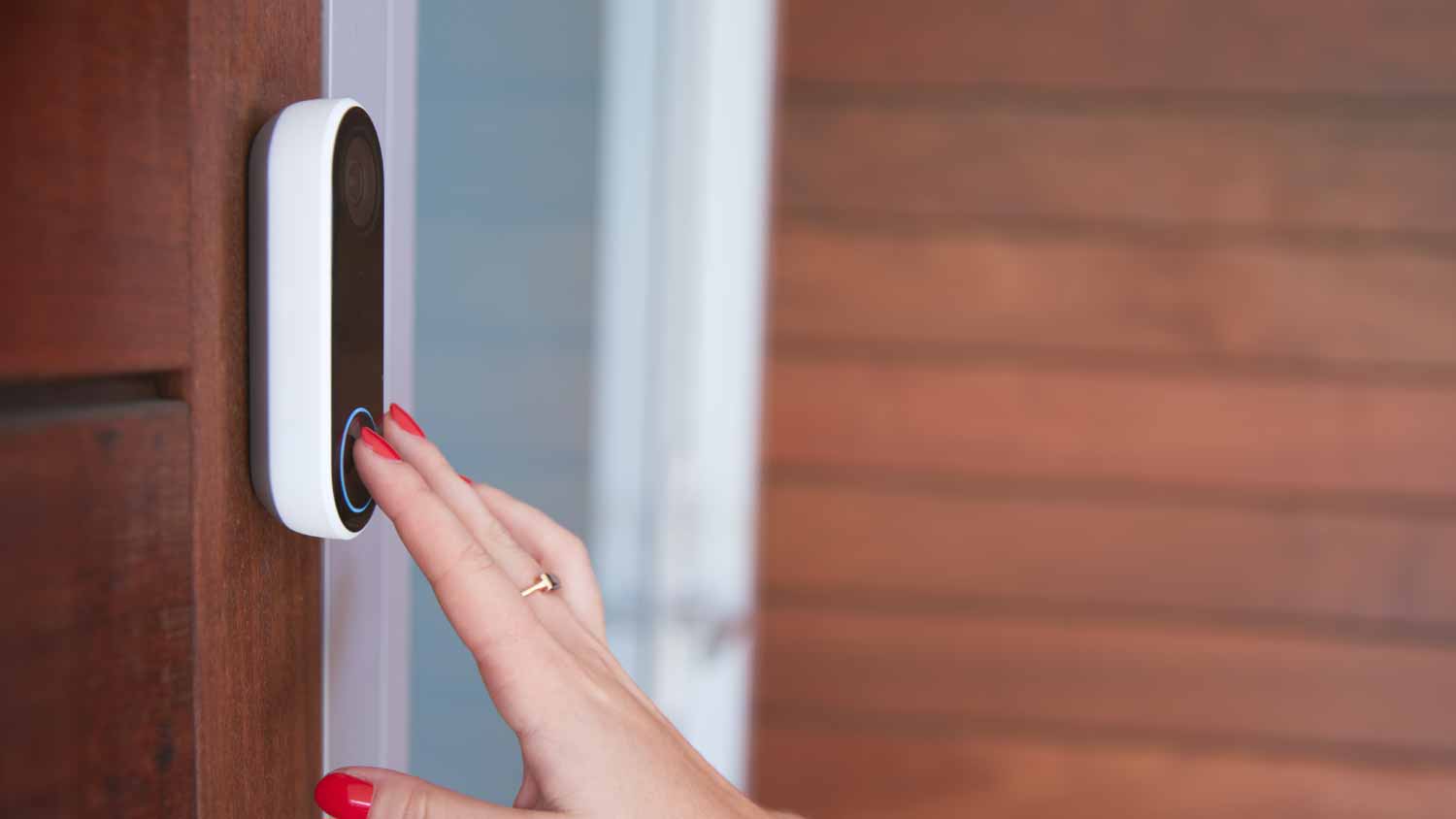
How much does it cost to install a doorbell camera? It depends on whether you plan to DIY or hire a pro. Learn about different models and their power sources, too.
Doorbell wiring is a project you can DIY. This guide covers everything you need to know, from different types of doorbells to wiring, and how to remove an old doorbell.
Ready to upgrade your front door and learn how to wire a doorbell? You may be able to handle this relatively simple DIY installation without an electrician.