"We have used John and his crew for years from large roofing projects to small cabinet modifications. We have always found them to be honest and fair. Would highly recommend them!"
"The project execution was excellent. Gary was totally in contact with us throughout the project even though we are 2500 miles away. He took photos, we discussed conditions and solutions, he estimated the work and performed it professionally. "
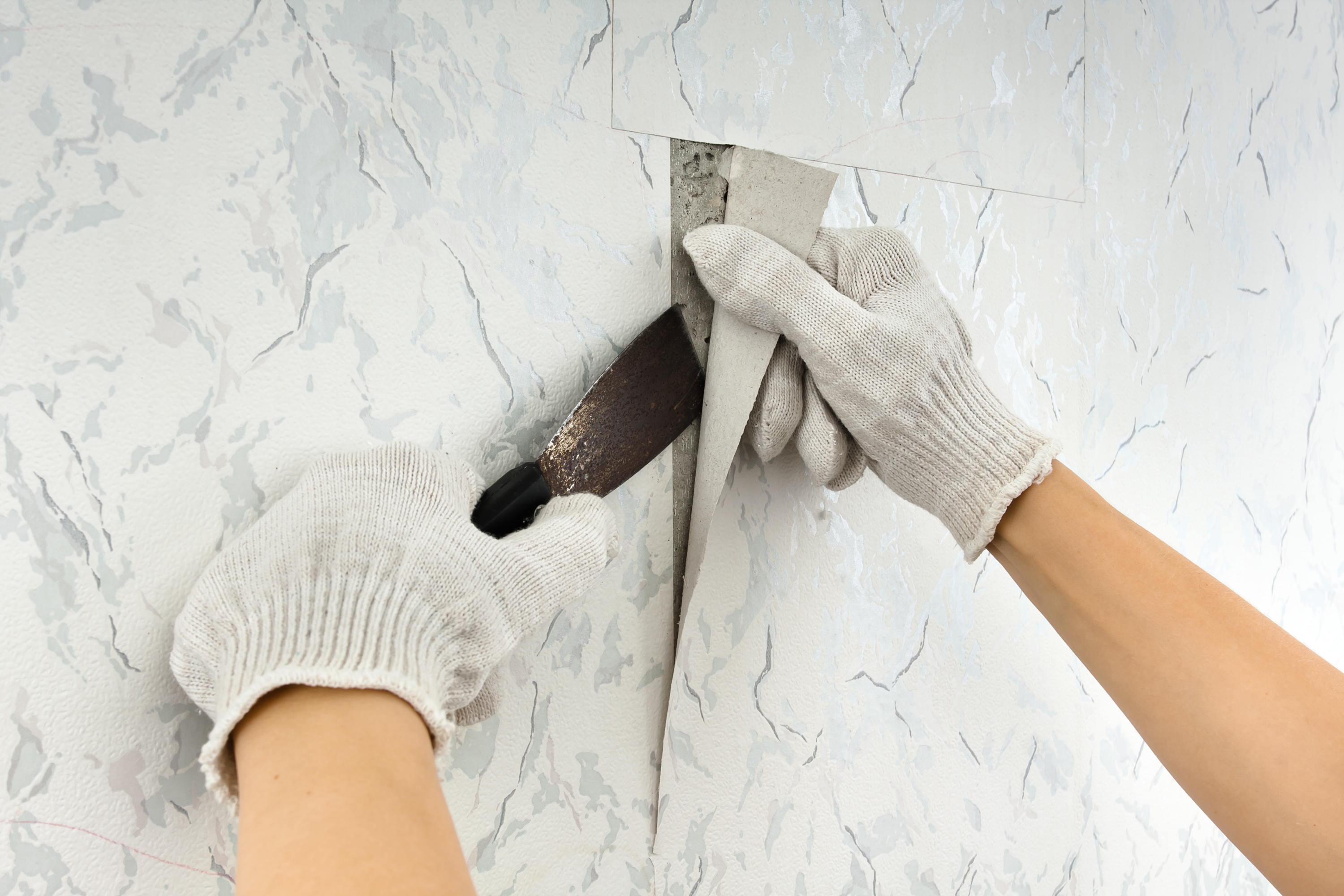
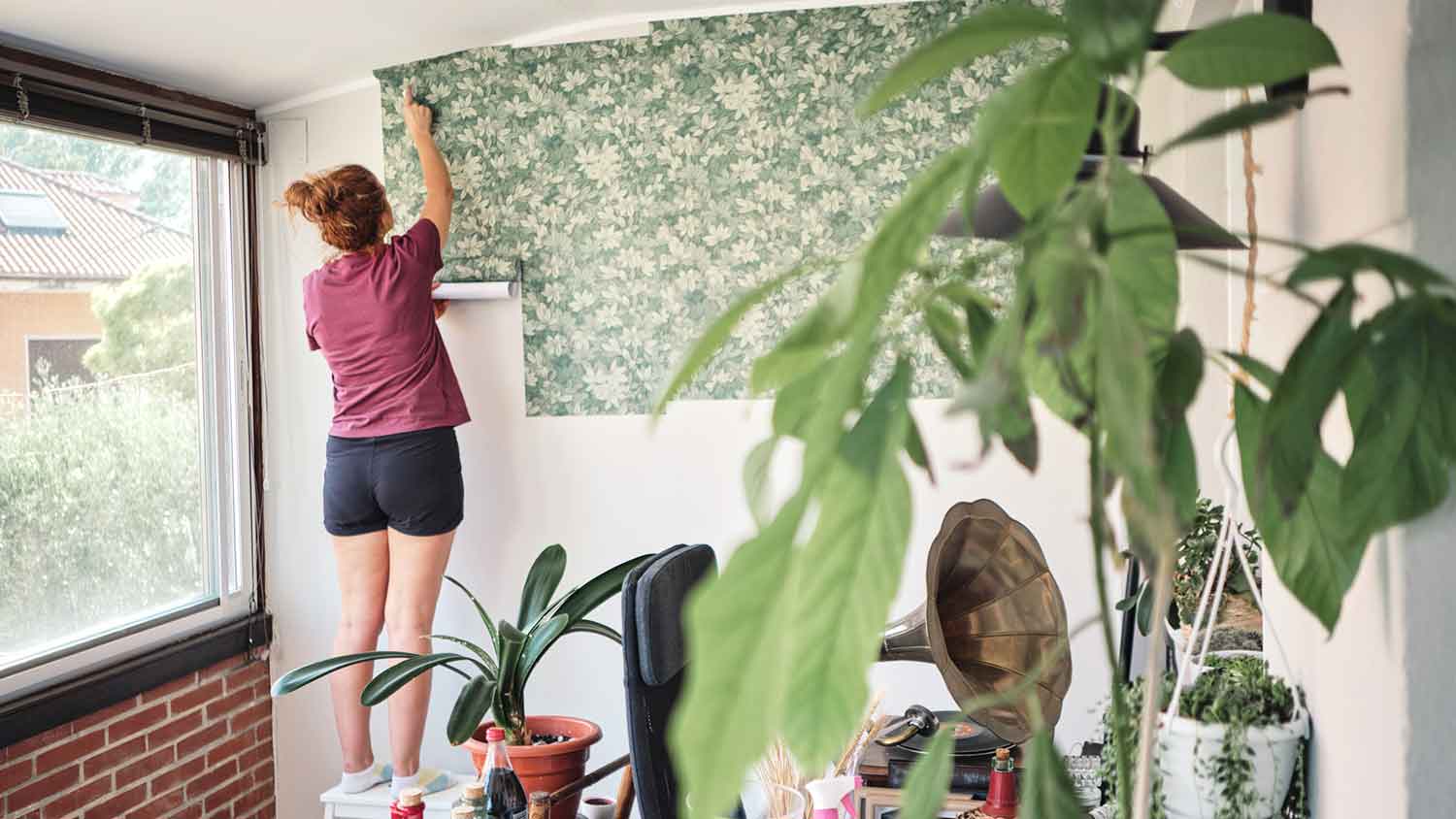
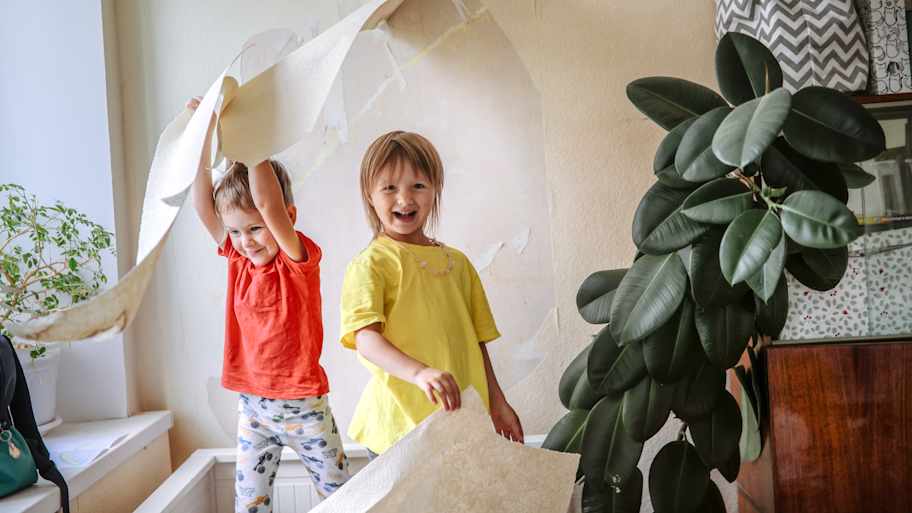
While you can remove wallpaper yourself, it is a labor-intensive process that risks damaging your walls. Common DIY methods include using a steamer to loosen the adhesive or spraying the paper with a solution of hot water and vinegar or dish soap before scraping. However, steamers can cause irreparable damage if used incorrectly, and the spray-and-scrape method can harm drywall if it gets too wet or you scrape too aggressively. For these reasons, hiring a professional is often the fastest, easiest, and safest option. A pro has the experience and specialized tools to remove wallpaper efficiently without damaging the underlying surface, which saves time and minimizes the prep work needed for your next wall treatment.
No, you don’t always have to remove old wallpaper before applying a new layer. However, you should pull off the existing wallpaper if it’s cracked, peeling, or in poor condition. We’d also recommend against putting wallpaper over textured or dark-colored wallpaper because the old layer may be visible through the new one. In addition, if you try to hang new wallpaper over vinyl-coated wallpaper, the adhesive might not stick properly.
Limewash can be removed from brick, but the method of removal will depend on how long the limewash has been on the brick. If the limewash has fully dried—which happens after about five days—you’ll need to use a diluted muriatic acid mixture to remove it. If there are multiple coats of limewash, you may need to apply the acid mixture several times to fully remove it from the brick.
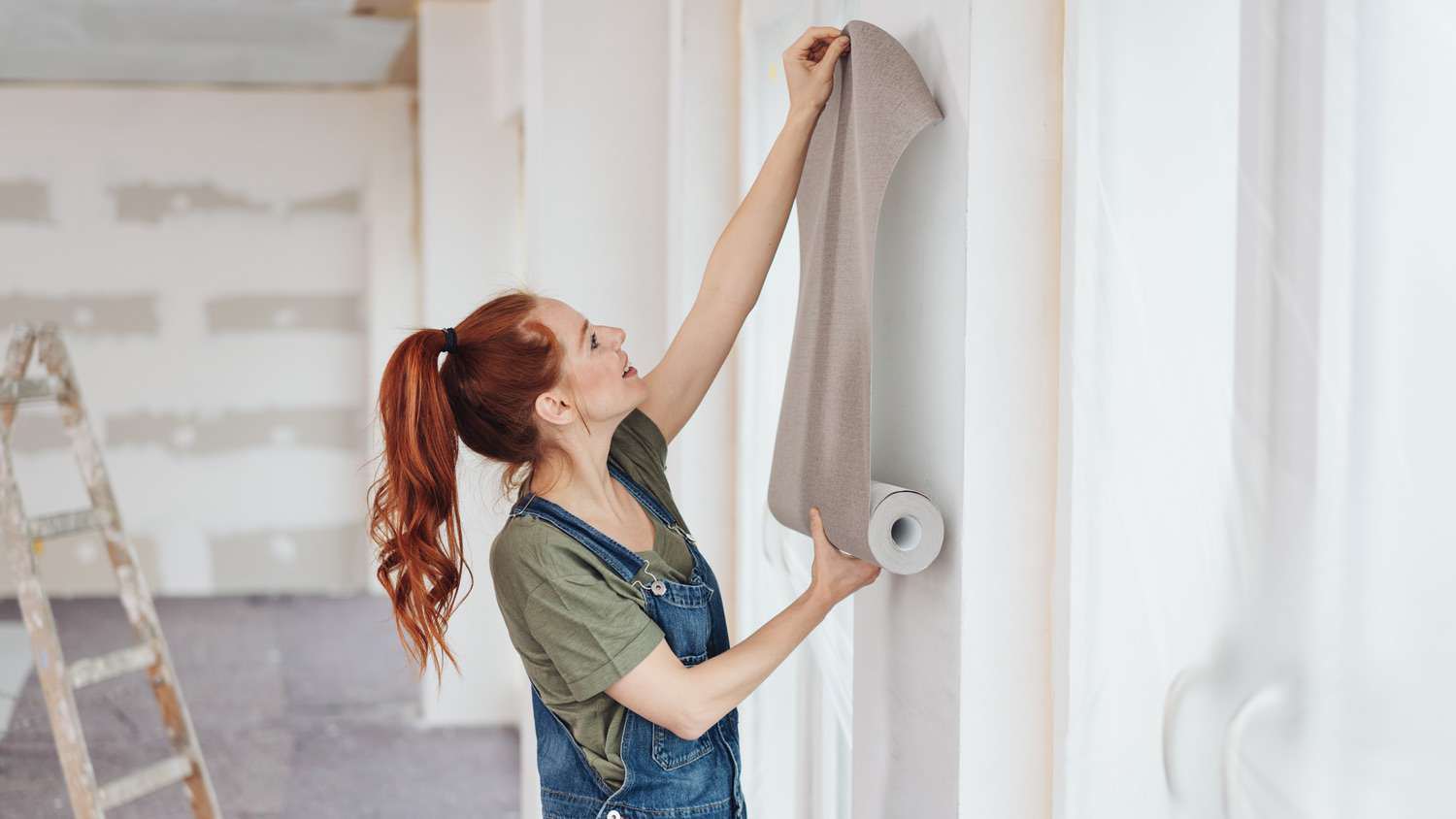
In most cases, it is not recommended to wallpaper over existing wallpaper, as the success depends on the type of paper already on the wall. While you might be able to cover non-coated wallpaper, you should never apply new wallpaper over a vinyl-coated one, which is more common. Doing so can lead to poor adhesion, resulting in bubbles, imperfections, and peeling. It can also trap moisture, potentially causing hazardous mold growth between the layers.
Even if the existing wallpaper is suitable, experts recommend applying only one new layer. Adding multiple layers (more than two total) can cause significant adhesion problems, leading to warping and bubbling. For the best results, the recommended approach is to remove the old wallpaper and all paste residue before hanging the new paper. If you are unsure about your wallpaper type, consider consulting a professional.
Because poison ivy and similar plants can cause potentially life-threatening allergic reactions depending on your sensitivity, it's best to hire a professional to remove it. Hiring a local lawn care service or other professional also increases your chances of successful eradication so that you don't have to deal with the issue again several months down the road.
The Bagdad, AZ homeowners’ guide to wallpaper removal services
From average costs to expert advice, get all the answers you need to get your job done.
Discover wallpaper installation cost. Learn about material, labor, and project factors to estimate your budget and make informed choices for your home.
Planning a room update? Learn about the wallpaper removal process, costs to expect, and how to find and hire the right local pro for a paint-ready finish.
Taking down wallpaper is a tedious and time-consuming job. Here are some tips on how to hire someone to remove wallpaper for you to make your life easier.