Every customer's individual needs are important to us at Mr. Rooter® Plumbing. Our focus of providing quality plumbing service and products combined with honesty has made our plumbers the first choice of many residential and commercial clients worldwide. You can count on a Mr. Rooter plumber to take care of your plumbing and drainage needs-day or night with never an overtime charge.
AZ Sewer & Septics is a family-owned and operated company run by Arizona locals, specializing in excavation, septic, sewer, and drain services. ROC licensed and bonded, NAWT certified, and offering same-day services, AZ Sewer & Septics serves homeowners across the greater Phoenix area and surrounding communities.
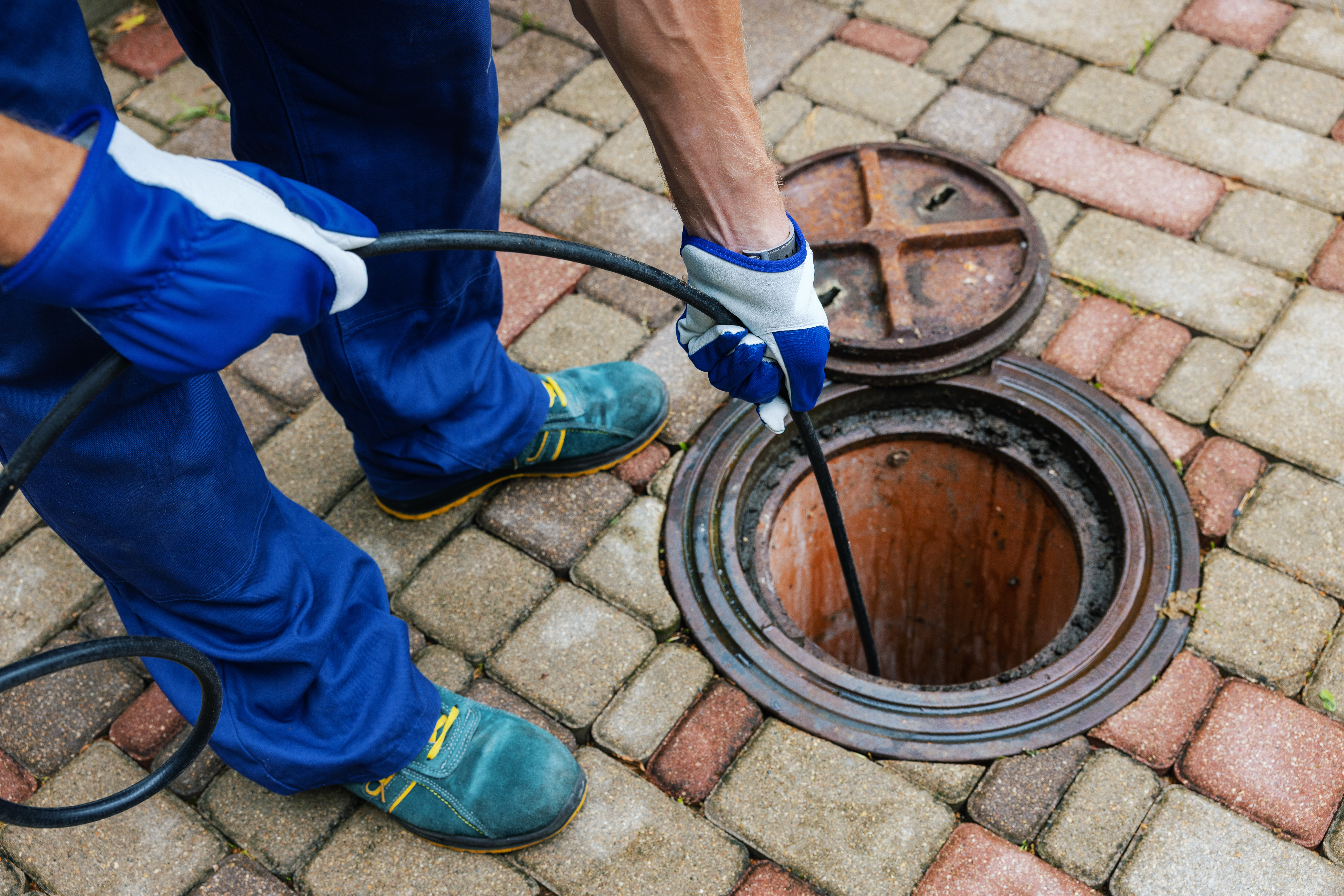
Food grease, soap buildup, paper products, and tree roots often cause serious clogs.
Your sewer pro will take about an hour to complete your sewer line camera inspection. However, if your home does not have cleanout access and the pro needs to remove the toilet to access the sewer line, the time to completion will take longer. Note that this estimated time does not include the time for repair, drain cleaning, or any other services you may need.
When hiring a sewer line company, you need to consider more than just the quoted price. Make sure to check that the company or contractor is licensed, certified, and insured to protect you both. Check for positive reviews, and you can even request references for extra peace of mind.
To find the best contractor, you might also want to consider how long the company has been in business doing sewer line cleaning and if they’ve won any industry awards for their work and service. Review potential contracts closely, and look for transparent pricing.
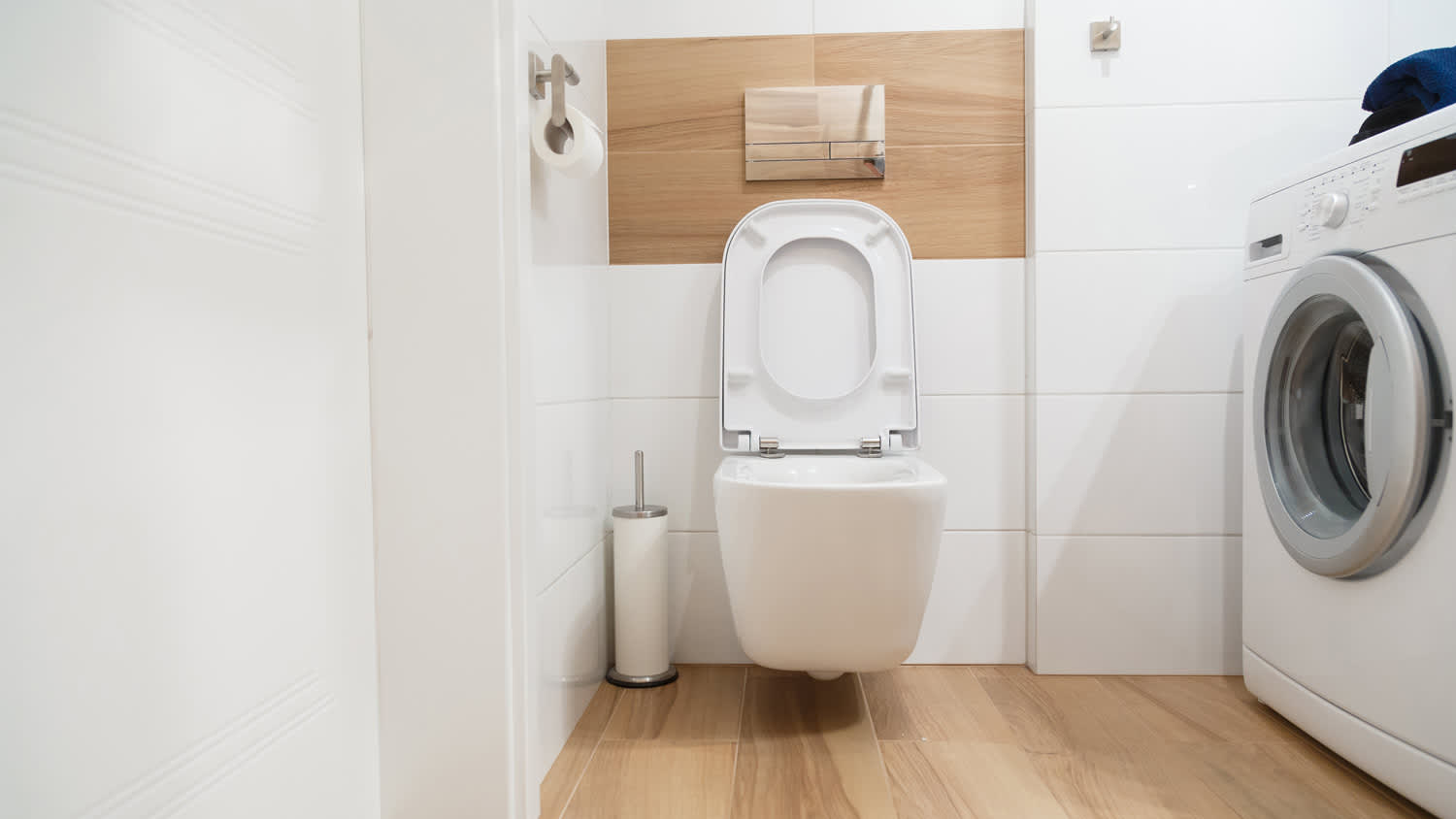
Using less toilet paper is the easiest way to prevent future clogs. Also, avoid flushing sanitary products, thick paper towels, or hair down the toilet. If you’ve been using a brick in the tank to reduce the water used to flush the toilet, take it out immediately. Bricks will eventually fall apart and clog your toilet drain. Keeping your toilet lid closed also helps avoid future clogs.
That pungent rotten egg smell coming from your drain is likely the buildup of biofilm—hair, skin, and soap scum that turns into a black sticky mess. In this case, pouring down near-boiling water, baking soda, and white vinegar will remove the smell. Keep in mind that a rotten egg smell is occasionally a sign of larger sewage line clogs and other related issues.
The Bagdad, AZ homeowners’ guide to sewer cleaning services
From average costs to expert advice, get all the answers you need to get your job done.
A clogged main sewer line can lead to gas or wastewater leaks. Find out what main sewer line clog repair costs by type of service, clog severity, and more.
The best way to keep your sewer line running smoothly is with some regular maintenance. But don’t worry—it doesn’t take much effort. Read on to learn how.
When was the last time you gave your sewer system some attention? If it’s been a while, it might be a good idea to clear any debris out of your sewer line.