






Top-rated retaining wall installation pros.

Get matched with top retaining wall installation pros in Weiner, AR

Enter your zip and get matched with up to 5 pros

Need a pro for your retaining wall installation project in Weiner, AR?

Select your specific project to find the pro for you.

Find Retaining wall installation pros in Weiner

Showing 1-10 of 12
Retaining Wall Installers questions, answered by experts

DIY is possible for small projects. Professional installation ensures structural integrity and durability for larger walls.

The lifespan of a retaining wall varies based on its material, installation quality, maintenance, and local climate, with an average range of 20 to 100 years. Retaining walls made from durable materials like concrete, stone, and brick generally last a minimum of 50 years. Concrete walls typically last between 50 and 100 years, while brick can last for over a century in ideal conditions. Timber retaining walls can last from 20 to 40 years, depending on the wood quality, and pressure-treated wood walls average around 30 years. It is important to note that a retaining wall can fail prematurely if it was poorly constructed, for example, with inefficient footings or without necessary rebar reinforcements.

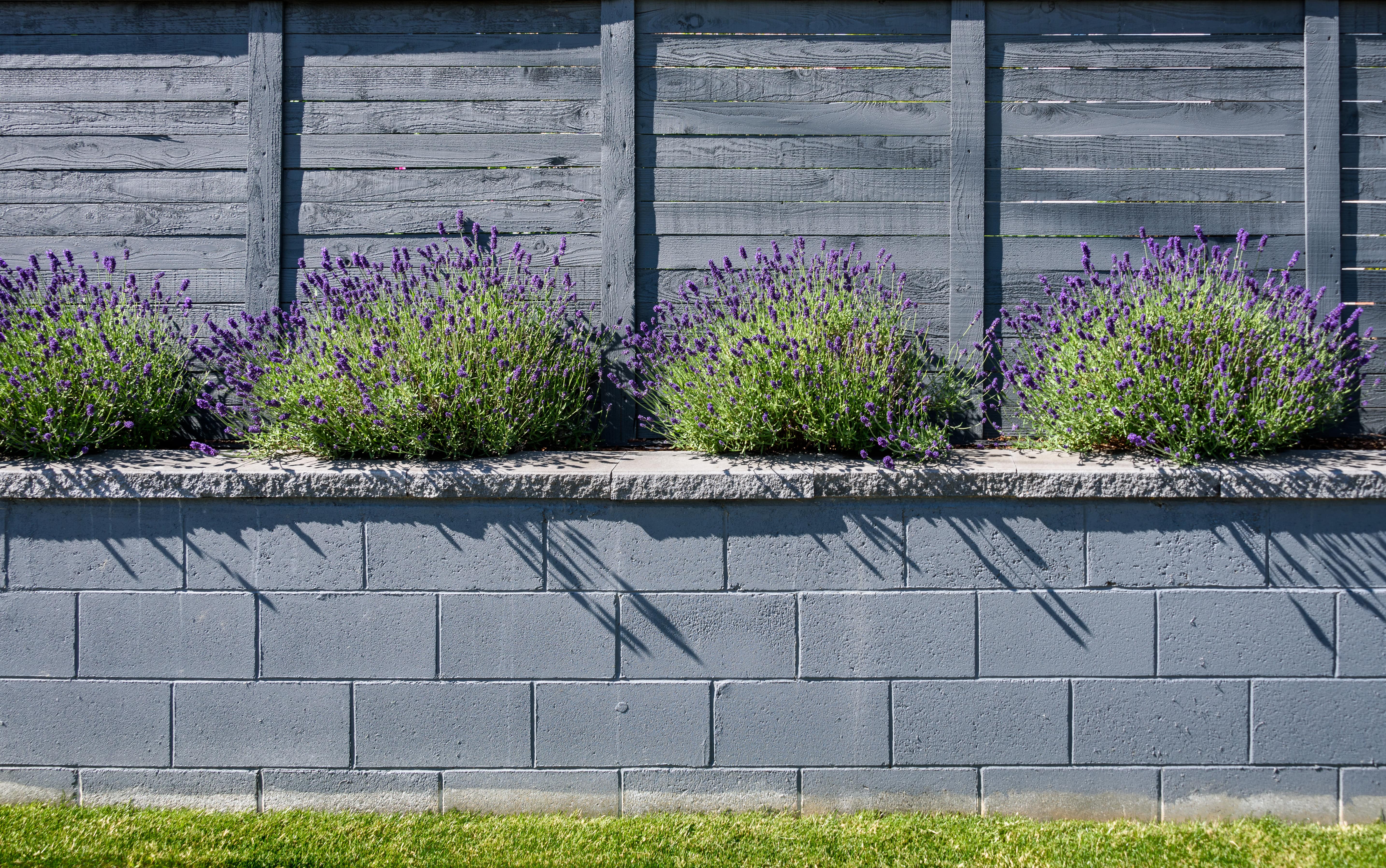
Yes, you can use cinder blocks for many purposes, including retaining walls, foundations, garage walls, and fences. Building a cinder block retaining wall costs between $60 and $200 per linear foot, including materials and professional labor. For a 30-foot-long retaining wall, the cost ranges from $1,800 to $6,000.

Most railroad tie retaining walls have a life span of 20 to 30 years, though you may need to replace your wall sooner if it’s repeatedly exposed to heavy rain, runoff, and excess moisture. Railroad ties are typically treated with creosote, which makes them much more durable than untreated wood. Though they last longer, they don’t last forever. For the most longevity, make sure your retaining wall has a sturdy base and steel reinforcements. You should also install drainage to direct water away from the wall.

Each design is different, so we can’t say definitively if you’ll need a dedicated drainage system in place for a two-foot retaining wall. However, you can likely skip the drainage, as this project is typically served for walls that are 4 feet tall or more. Even with a relatively low wall, consider drainage if you are building on top of clay or poor-draining soil types or if there are buried water sources nearby, like a well used for other outdoor garden projects.

The Weiner, AR homeowners’ guide to retaining wall installation services

From average costs to expert advice, get all the answers you need to get your job done.