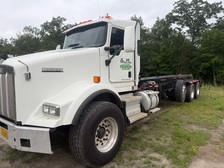
We pride our company on reliability, great communication, integrity, and quality work. We are experts in our trade and will do our best to keep you as educated as we can on your particular task or project. We look forward to earning your business!
\n
"On 5/11/2026 A-State Junk Removal and Hauling came all the way from Searcy to give me a quote on some junk removal. He arrived on time, assessed what needed to be removed and we discussed prices. I did not have to haggle about price. The price was fair. The removal was very quick and efficient and I even talked about having him remove other items in the future. I’m extremely happy with the service that was provided and will do business with A-State Junk Removal And Holding again in the future"
"I needed a severely damaged couch removed from my apartment. They were on the phone within a few minutes and had it removed the same day. Also, they gave me a reasonable price and they did all the work. I highly recommend them!"
D's Extreme Services is committed to excellence in every aspect of our business. We uphold a standard of integrity bound by fairness, honesty, and personal responsibility. Our distinction is the quality of service we bring to our customers. Accurate knowledge of our trade combined with ability is what makes us true professionals. Above all, we are watchful of our customers' interests, and make their concerns the basis of our business.
Hi! I’m a reliable and hardworking local service provider offering professional junk removal, hauling, pickup, and delivery services. I take pride in being dependable, respectful, and careful with every job. Whether you need unwanted items removed, a pickup or delivery completed, or help clearing out a space, I’m here to make the process easy and stress-free. I always focus on quality work, clear communication, and customer satisfaction. I look forward to helping you with your next project!
Tig’s Junk Removal is a locally owned and operated Arkansas junk removal and property cleanout company serving homeowners, businesses, property managers, and contractors.\n\nWe specialize in junk removal, estate and property cleanouts, rental and eviction cleanouts, construction debris removal, appliance and furniture removal, small demolition, dumpster services, and commercial cleanouts.\n\nFrom a single unwanted item to an entire property cleanout, our crew handles the heavy lifting, hauling, and disposal from start to finish.\n\nResidential • Commercial • Cleanouts • Junk Removal • Small Demolition\n\nTig’s Junk Removal — We Haul It All!
While the EPA provides guidelines for homeowners to perform DIY lead paint removal, it is a risky process and generally not recommended due to serious health risks and strict regulatory requirements. The process requires precise safety precautions, such as wearing a respirator and protective eyeglasses, creating sealed exits, and using a HEPA vacuum for cleanup. To ensure the job is done safely, effectively, and in compliance with regulations, it is highly recommended to hire a professional lead abatement company. Certified professionals have the necessary training, experience, and specialized equipment (like chemical strippers and HEPA vacuums) to handle and dispose of hazardous materials safely.
You should ask a few questions to ensure that your potential lead removal professional is experienced and qualified to handle lead-paint abatement safely, legally, and properly.
What are your qualifications and experience removing lead-based paint?
Are you licensed and certified to remove lead-based paint?
How do you test for lead paint?
What methods do you use for lead-based paint abatement?
What do you plan to do with the hazardous material when you remove it from the home?
Do you do replacement and painting work or removal only?
The safest way to remove lead-based paint is by letting a professional take over. For most people, lead paint removal costs an average of $3,400. You should never attempt to dry sand old lead-based paint surfaces by hand. Most professionals use a paint stripper to do the job followed by wet scraping, but if you don’t want to remove lead paint, another option is to paint over it. Only consider this option if the old lead paint finish isn’t flaking or cracked.
Lead removal is crucial in older homes to eliminate risks of lead poisoning, which can severely affect health, particularly in children, by impacting development and cognitive functions.
Lead removal can take a few days to several weeks, depending on the work needed, particularly if the lead is widespread and in hard-to-reach areas.
The Oppelo, AR homeowners’ guide to leaf removal services
From average costs to expert advice, get all the answers you need to get your job done.