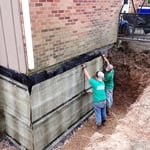
"We had the opportunity to meet Bobby Dugger, AND look at our problems and he and partner went straight to work assessing the job , They both were VERY professional and Informative, Explained everything and even found things we knew nothing about, I'm sure we will be PLEASED with the finished work, I would definitely recommend them.
Very professional at what he does, THANK YOU GROUND WORKS."
"They came when they said they would. The price was reasonable. Very nice and professional. The only The problem I had was they could have done a better job on the cracks. Other than that they did a good job. I would recommend them."
Concrete Mudjacking questions, answered by experts
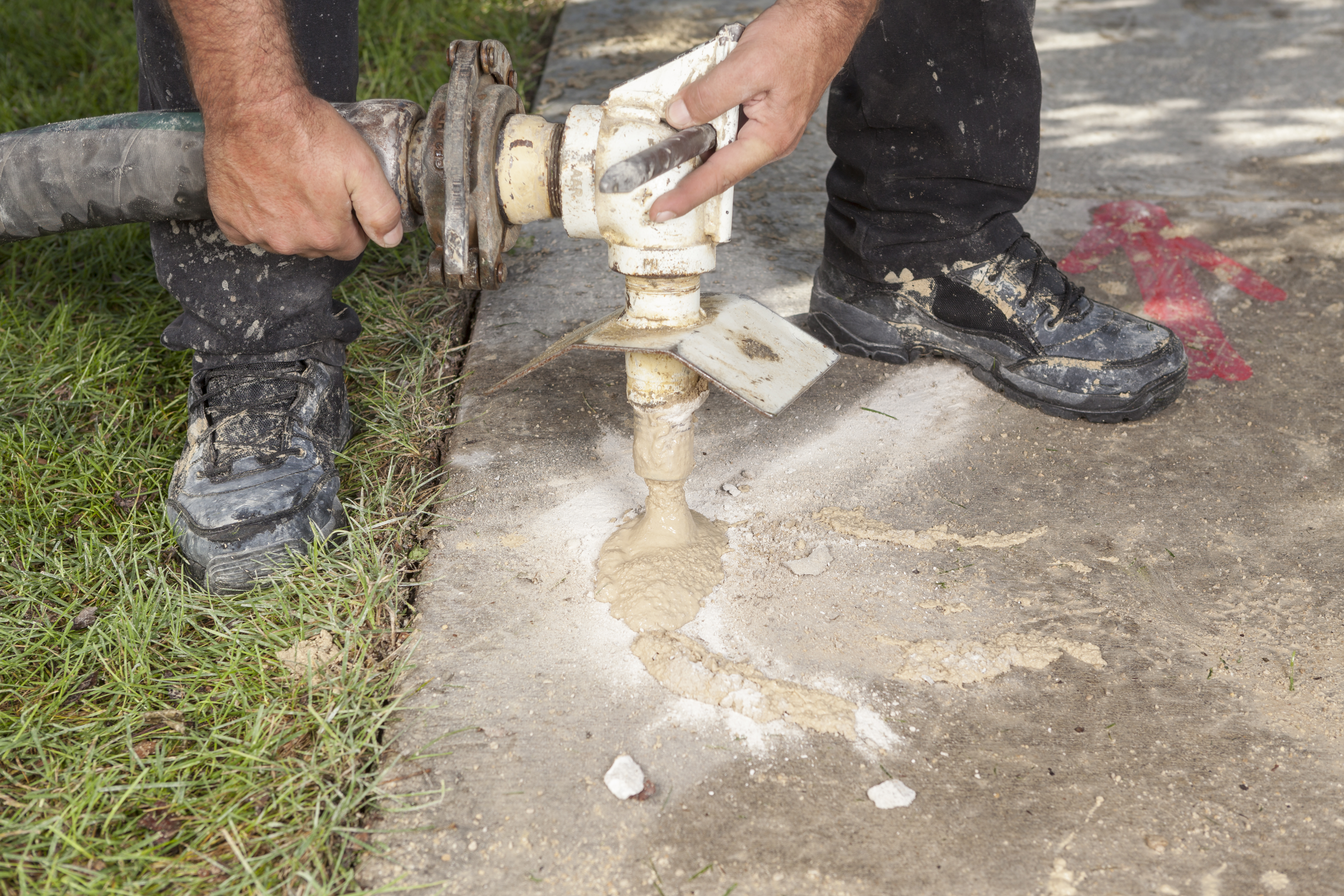
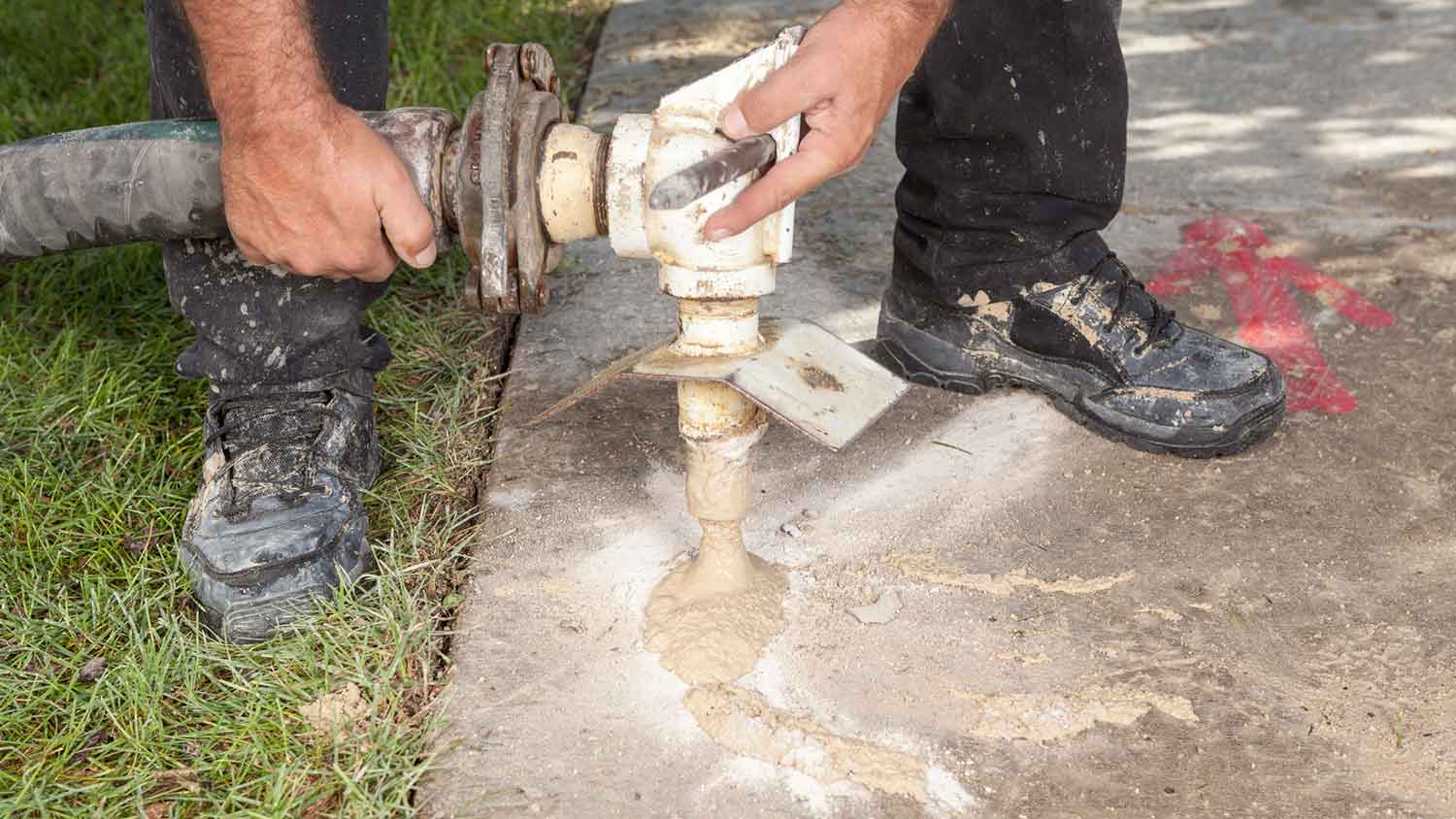
Mudjacking is your best bet for leveling concrete on a tighter budget. It’s less expensive than foam or grout mixture. For smaller, surface-level issues, you could also use a self-leveling compound, which creates an even surface over existing concrete—it’s a budget-friendly option suitable for DIY enthusiasts.
Most states and municipalities don’t require concrete mudjacking companies to carry a specific license, but they usually need to have a general contractor’s license, and they should be fully insured. The only exception is if the mudjacking company provides foundation repairs as well, or if it offers mudjacking for home foundations. In that case, they will typically need a foundation repair contractor’s license. You can check state requirements and then use Angi’s license lookup tool to confirm that a company is properly licensed to provide mudjacking services in your area.
It’s best not to perform mudjacking in the winter unless the ground temperature remains above freezing. Freezing temperatures can cause the slurry to harden too quickly, compromising its strength and longevity. Concrete is also more susceptible to cracking and splitting in cold temperatures, so there’s a higher risk of damaging the slab during the drilling and lifting process in winter.
The polyurethane used for polyjacking will expand and cure in 15 to 30 minutes. After that point, your slab will be safe to walk on and even drive on in the case of a sidewalk or concrete driveway. Double-check with your concrete lifting specialist to confirm a curing timeline, as products can differ.
On average, a mudjacking repair lasts between five and 10 years, though it can sometimes last for well beyond a decade under ideal conditions. Its longevity depends heavily on several factors, including the condition of the underlying soil, environmental conditions like freeze/thaw cycles and erosion, and whether the root cause of the sinking, such as drainage issues, is resolved. Because it doesn't always fix the underlying problem of loose soil, mudjacking is often considered a temporary solution. Proper maintenance and evaluation can help extend its lifespan.
The Monticello, AR homeowners’ guide to concrete mudjacking services
From average costs to expert advice, get all the answers you need to get your job done.
DIY mudjacking is an advanced task, but learning how to raise a concrete slab is great to know for many scenarios. Let's take a look at how to DIY mudjack.
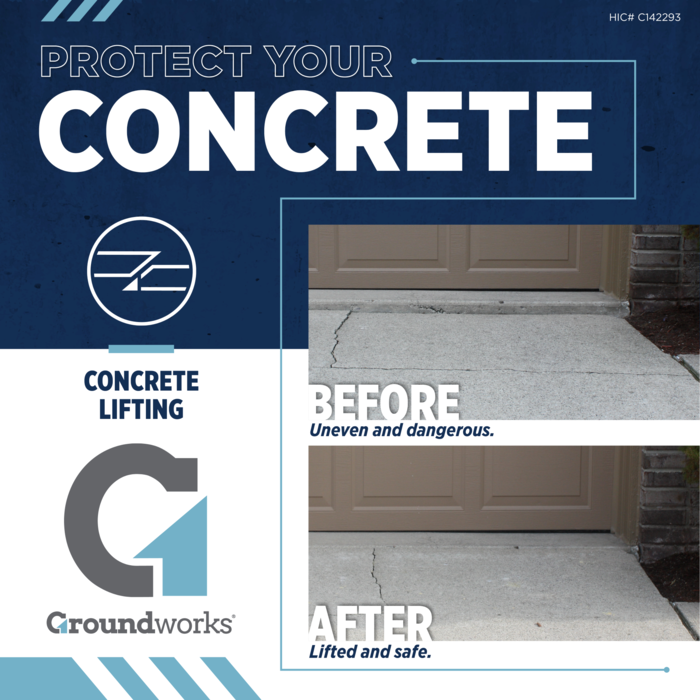
Sunken concrete can be a structural issue, but a professional can easily repair it. Ask these concrete injection leveling and mudjacking questions before you hire.