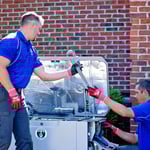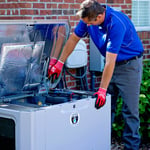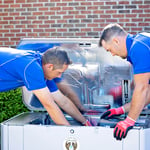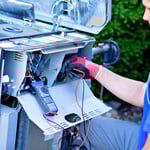








Top-rated generator install pros.

Get matched with top generator install pros in Marvell, AR

Enter your zip and get matched with up to 5 pros

Need a pro for your generator install project in Marvell, AR?

Select your specific project to find the pro for you.

Find Generator install pros in Marvell

D'Sean T
New to Angi

Serving Marvell, AR and surrounding areas

Approved

I’m a licensed electrician who takes pride in doing honest, reliable work. I handle everything from small repairs and troubleshooting to lighting installs, panel upgrades, and general electrical maintenance. I pay attention to the details, make safety a priority, and treat every home or job site with respect.\n\nI’m currently looking to pick up any side jobs I can—no job is too small. Whether you need a ceiling fan installed, outlets fixed, breakers replaced, or help figuring out an electrical issue, I’m ready to help. I believe in fair pricing, clear communication, and getting the job done right the first time.\n\nIf you need dependable electrical work, I’d appreciate the opportunity to earn your business.\n

Generator Install questions, answered by experts

Yes, in some locations, it is required by the National Electric Code (NEC) to have a transfer switch installed for electrical emergencies. In addition to following electrical code, generator transfer switches ensure your home is fully protected during a power outage. By switching the power from the main breaker to the generator breaker, you can seamlessly operate your HVAC, lights, appliances, devices, and more during an emergency. 

Most homeowners won't be able to claim a home generator as a tax write-off. However, a whole-house generator may be tax-deductible in certain situations depending on its purpose. For instance, if it's needed to power essential medical equipment, it may qualify as a medical expense deduction. Also, in some cases, businesses can deduct a generator as a business expense if it supports operations. Always consult a tax professional to determine eligibility based on your specific circumstances and the applicable IRS regulations.

A portable generator can supply power to selected appliances and circuits in a home, but it's generally not designed to handle the entire household's electrical needs simultaneously. Portable generators have limited wattage capacity, so they are only designed to power essential devices and electronics temporarily until local power is restored. If your power needs outweigh the capabilities of a portable generator, consider installing a whole-home generator instead.

Generators run on a variety of fuel types, ranging from natural gas to solar power. Keep in mind that fuel costs varying by type:

  • Natural gas: $2,000–$21,000 per year 

  • Liquid propane: $2,000–$21,000 per year

  • Diesel: $3,000–$20,000 per year

  • Gasoline: $500–$3,000 per year

  • Solar generator: $2,000–$25,000 per unit

  • Battery backup: $10,000–$25,000 per unit

Sizing a generator is a careful process that requires calculating the electrical load of your entire house. You have to take into account every device you want to use and their wattage requirements, plus the wattage needed to start them, and look for a generator that can safely run all that at around 80% capacity.

In more practical terms, a small home can run on a 10,000-watt generator (and if you only want to power a few key appliances, much less than that). A mid-sized home may need something between 15,000 and 22,000 watts. Larger homes require 25,000 watts or more. 

The Marvell, AR homeowners’ guide to generator installs

From average costs to expert advice, get all the answers you need to get your job done.