

AirTecs Enviromental
Toxic Lead - AbatementToxic Lead - Testing
Serving London, AR and surrounding areas
In business since 1987
Free estimates
Emergency services offered
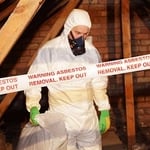
"These guys are fantastic, real lifesavers that care about the little people. They are good at speedy correspondence, treating their clients with respect, sending appropriate paperwork in a timely manner, and explaining the procedures. Mr. Burks knows about asbestos abatement and how to carry it out according to the protocol required by state law. In Arkansas, state law requires you to have a third party to measure and approve the air quality when removing asbestos. Sure enough, a third party EPA employee arrived in his own vehicle and watched the process from start (prepping the house to secure it from escaping hazardous dust) to finish (measuring the final air quality for approval). Airtecs Environmental then bags everything to be taken to a special hazardous waste site. So it is from cradle to grave. The whole process is documented in paper work and that is peace of mind. Mr. Burks’ team were good natured and hardworking. In addition to the ceiling the team removed the shag carpet and foam as I was looking to remove it. They saved me so much time and backbreaking work! And as for the house well, I cannot express how amazing the air quality is! If you are still unsure read the long of it below and save yourself the time. I wanted to remove an Asbestos ceiling that was showing signs of damage due to shifting foundation. Between the ceiling and the old shag carpet I was concerned about my father’s air quality. Initially I was going to remove the acoustic ceiling myself, but after researching about this hazardous material it became clear that removing Asbestos responsibly was the best way to guarantee a safe space in the future. Now, it is strangely difficult to find a good Abatement team, considering how many houses must have this issue. Calling Airtecs Environmental, I was impressed with how easy they were to contact and quick in respond to my requests. Based my research about asbestos abatement procedures and the Arkansas State laws, it was clear that Mr. Burks was really knowledgeable with hands on experience. Because my father is retired and has a small budget, I called other companies to get a few quotes based on our square footage. Here is what we encountered. There were cowboy removal services, with prices that seemed too good to be true. Well yeah, they were basically offering a regular popcorn removal, avoiding paperwork, with no guarantees for air quality, and making the client dispose of the hazardous materials themselves! If you go that route, you might as well do it yourself and pay nothing. On the opposite end of the spectrum…I found most companies were completely uninterested in small homes! To illustrate this they would take days to respond to emails, and explain that they mostly work on industrial sized projects and in turn their quotes reflected industrial sized robbery. There is simply nobody else in the state willing to take on residential homes following strict procedures at a reasonable rate. I am so glad Mr. Burks and his team, are out there for the average person like me who is trying to do things the right way! Good Peoples! Thank you, thank you!"
+1
Recommended by100%of homeowners