We're a locally owned and operated company that values honesty and integrity and treats your home as if it were our own. Our services are customized to the individual project, paying close attention to the details of each project that we're involved with. We pride ourselves on the quality of our work as well as our commitment to outstanding results. We look forward to building lasting relationships and guaranteeing your satisfaction!
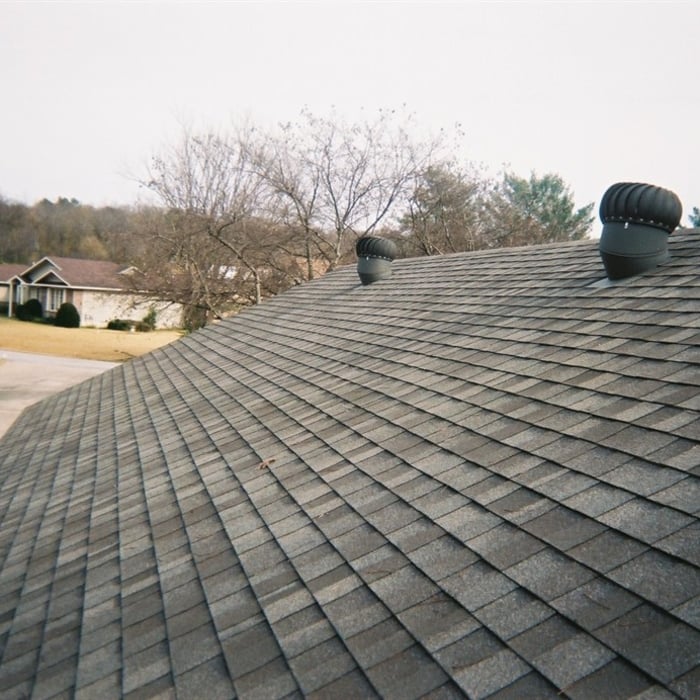
Were a family owned and operated company that values honesty and integrity, and stands behind our work. We offer over 40 years of industry experience. We specialize in Asphalt Shingle Roofing installation, replacement, and repairs. Our services are customized to the individual project, paying close attention to the details of each project that we're involved with. We look forward to building long-term relationships with our clients and guarantee your satisfaction!
Rudy's Siding is one of the states premier siding companies. We are able to provide all of our customers with reasonable pricing, quality workmanship, and professional service.
"At first I was just going to paint my house but after I talk to Jay he would recommend go with siding that it would last longer and that s right my house looks so nice. highly recommend they do any kinda work thank you J diaz general contractor"
The Duraplex company specializes in roof replacement and provides mold and moisture foundation protection services for your home. Duraplex provides a free inspection and thorough estimate to help you ensure your home is repaired or restored to its maximum life potential. Whether you need a new roof or a drainage system installed, please give us a call and ask about the Duraplex Difference. All of our estimates are guaranteed for 30 days - providing you the peace of mind to secure a good price on great service and quality workmanship. Please visit our web site, www.duraplexhome.com, for more information on specific services related to roofing and foundations. Mention Angie's List and save $100 on any roof cleaning service.
"Factory direct installed new windows and siding on my home in Feb of 2015. They were the most competitive and fair in pricing of all the solicited bids, and answered the questions I had in a prompt and courteous fashion. The installation itself was preformed on time and professional in scope. They did an excellent job. They thoroughly cleaned up when completed. I am very happy with the results and would highly recommend them."
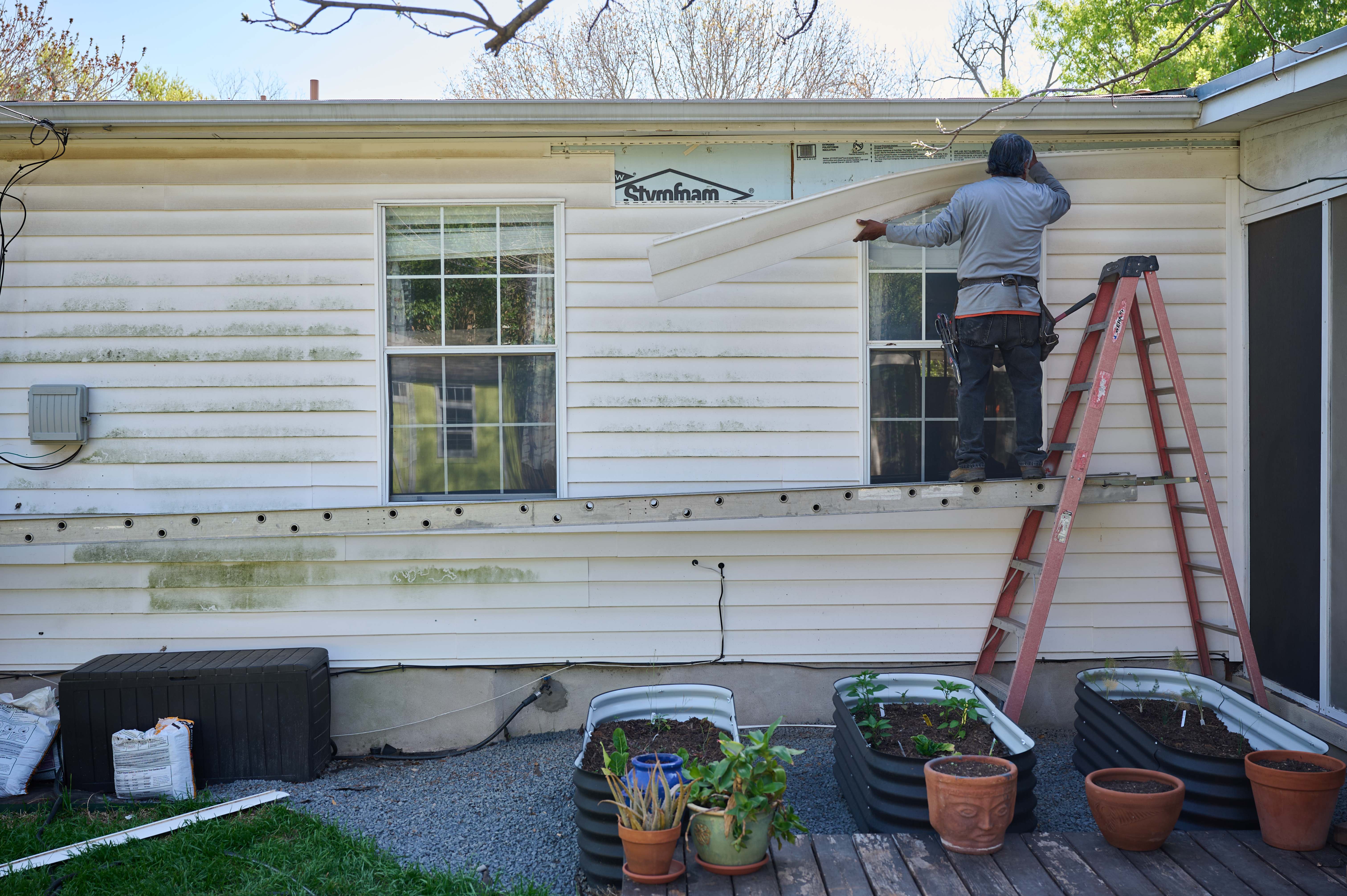
They came on a Sunday afternoon and applied a chemical to my mobile home siding and then pressure washed the whole thing. All of the green mildew vanished and my siding looks like new. No kidding the outside siding looks brand spanking new. Amazing job. It took about 2 hours and they worked straight through. Everything was put back the way it was when they were done.
He showed me what the pressure wash could do with my deck and he did a test spot and it can bring back the wood to almost the way it was new. That will be my project in the future.
Look and feel for signs of damage after a hail storm. On vinyl siding, there will likely be cracks or holes. If you have steel or aluminum siding, look for dents and cracked or chipped paint. For wood and fiber cement boards, dents are the most common sign of hail damage.
A square of siding refers to 100 square feet of siding materials. Rather than sell by the individual square foot, manufacturers typically sell siding materials by the square. For instance, if you need 105 square feet of siding but the material is sold in squares, you’ll need to purchase two squares (200 square feet).
Increasing home value and return on investment (ROI) are two different things and it’s important to differentiate between the two. While a kitchen remodel will surely raise the value of the house, it may only have an ROI of around 50%. Homeowners looking to raise the value of their home for sale will have to consider how much they will recoup by the monetary investment in projects, as the ROI percentages may be lower or higher than the added value on a dollar-for-dollar basis.
Consider your home's architectural style, neighborhood guidelines, and the vendor's options. Samples and software previews can help visualize the final result.
Vinyl is the most common shingle siding due to its rigid PVC design, longevity, affordability, and ease of installation. The next most popular types of shingle siding are fiber cement, which is in the mid-range for prices, and cedar shake, which is the most expensive. Consider the upfront cost, ongoing maintenance costs, and durability in your specific climate before deciding.
The Highland, AR homeowners’ guide to siding services
From average costs to expert advice, get all the answers you need to get your job done.
Find out the true cost to install T1-11 siding on your home. Get detailed price breakdowns, installation tips, and ways to save on your siding project.
Siding is a critical part of keeping your home protected from the elements and looking great. Learn what siding on a house is, how long it lasts, and what it costs.
Learn who to call when you need to replace or install the siding on your home. Choose a professional who will install your siding correctly and safely.
Hiring the right siding contractor can make this project go smoothly. Learn how to hire a siding contractor, what to ask, and what red flags to look for