




Top-rated woodworkers.

Get matched with top woodworkers in Gibson, AR

Enter your zip and get matched with up to 5 pros

TRUSTED BY GIBSON, AR HOMEOWNERS

  • Average homeowner rating star icon4.4
    Average homeowner rating
  • Verified reviews icon44
    Verified woodworking services reviews

Find Woodworkers in Gibson

Avatar for Gabe's Home Solutions
Gabe's Home Solutions
5.0(
20
)
Interior Trim and Decorative Moldings - RepairWood Stairs and Railings - Repair

Serving Gibson, AR and surrounding areas

Approved

In business since 2023

Emergency services offered

Small jobs welcome

"I can’t express how happy we are with our new shower doors. Gabe was so professional and his work is outstanding! If you ever need something like this done, I would highly recommend that you hire Gabe."
Response time7 hrs
4 neighbors recently requested a quote
Recommended by61%of homeowners
Avatar for High Status Renovation, LLC
High Status Renovation, LLC
5.0(
3
)
Carpentry Framing - Install

Serving Gibson, AR and surrounding areas

Approved

In business since 2018

Free estimates

Offers commercial services

"Bart and his crew worked steadily 5 or 6 days per week to complete this project in just two weeks. I have already hired them to do additional work. They are good folks to work with. Five stars. Larry Clarke"
Response time2 days
4 neighbors recently requested a quote
Recommended by66%of homeowners
...
Showing 1-10 of 262
Woodworking questions, answered by experts

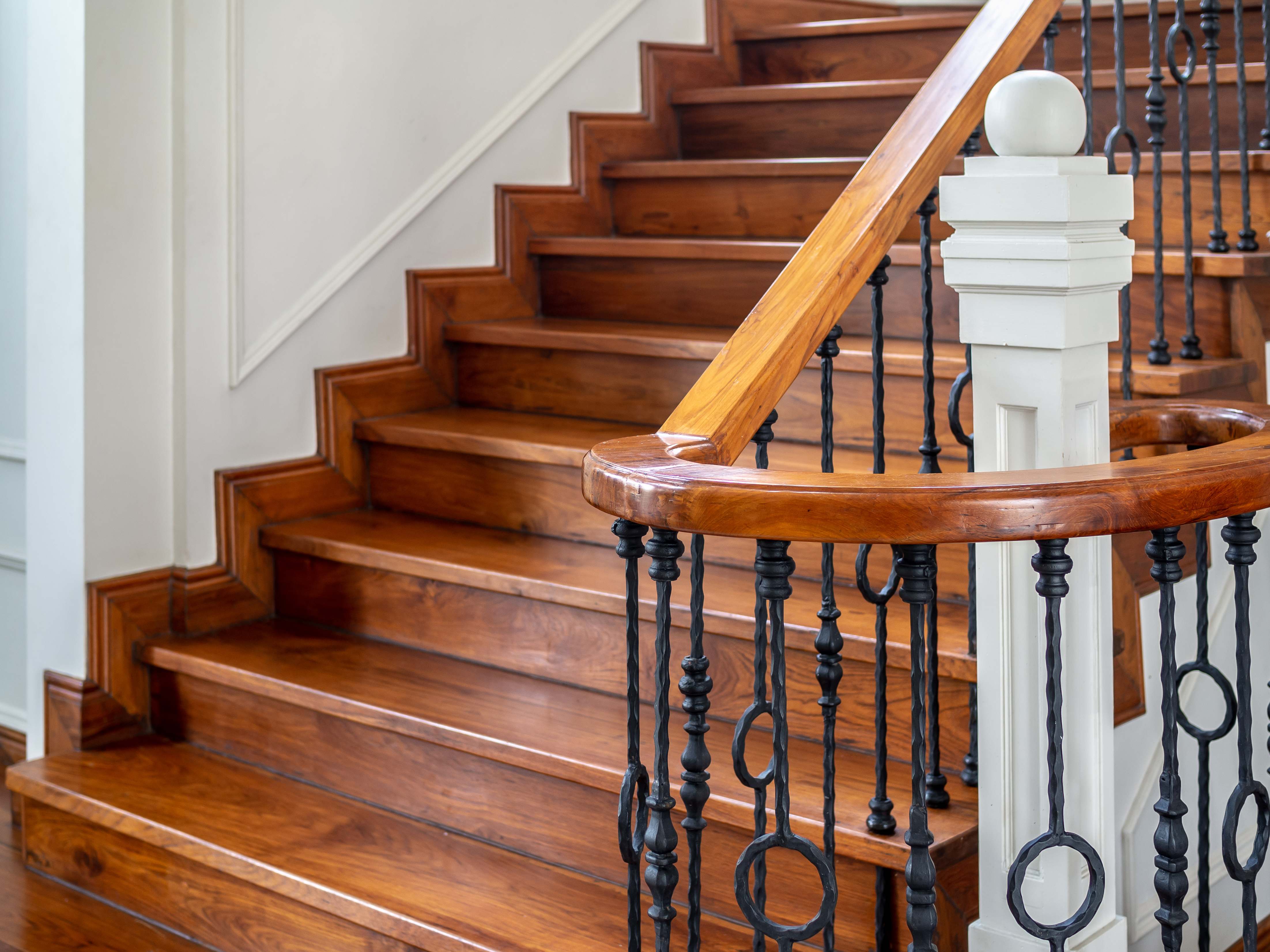
Many people, including professionals in the field, use baluster and spindle interchangeably to describe the vertical components of a railing (or technically, a balustrade). However, there are subtle or distinct differences, depending on who you ask. The most common interpretation is that spindles are thin or delicate versions of balusters.

When building a house, it is customary to use 16d nails that measure 3 1/2 inches in length to construct the frame. These nails are crucial in providing the necessary support and stability for structural elements like joists and studs, which ensures a sturdy framework.

Floor joists provide support and stability to the flooring installed above them, whether it be hardwood, tile, or carpet. They’re essentially horizontal beams that hold up the subfloor and everything that lies on top of it. Floor joists also help evenly distribute weight across their structure so that it’s shared between walls, beams, and your foundation.

Yes, Corian® and other solid surface countertops can be cut with standard woodworking tools like a circular saw or a jigsaw, but using the correct blade is crucial for the best results.

The recommended blade is a tungsten carbide-tipped blade, often called a solid-surface planer or triple chip grind blade. This type of blade is hard enough to cut through the material effectively. For a jigsaw, a fine-tooth down-cutting blade should be used.

It is important to note that a diamond blade is not necessary. Diamond blades are designed for harder materials like natural stone, concrete, or brick, and Corian is not a natural stone.

Using blades designed for wood is not recommended as they can cause microfractures that weaken the countertop's edges. While a tungsten carbide blade provides a much cleaner cut, the resulting edge will still be rough and must be sanded and smoothed to prevent microfractures from developing over time.

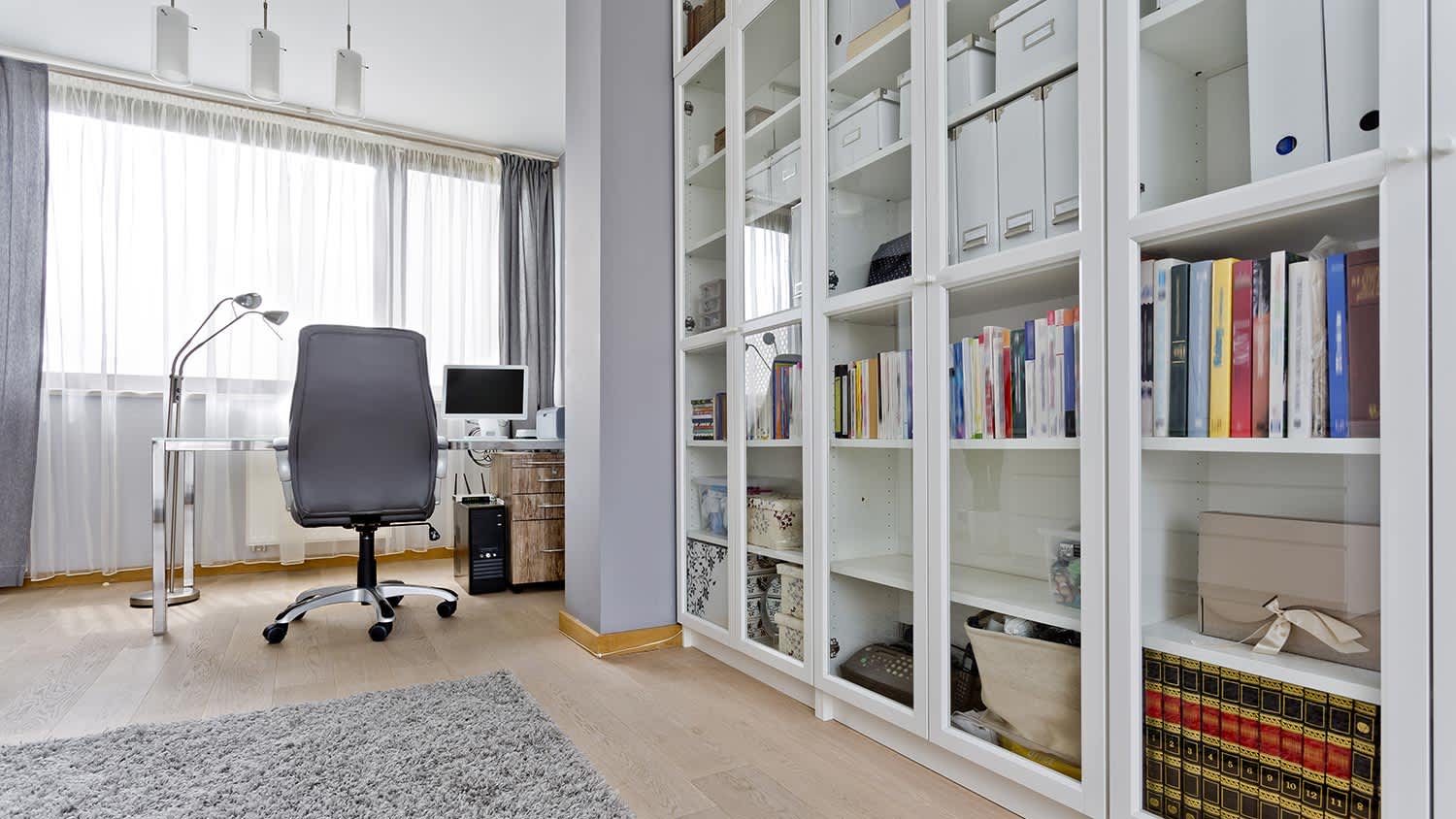
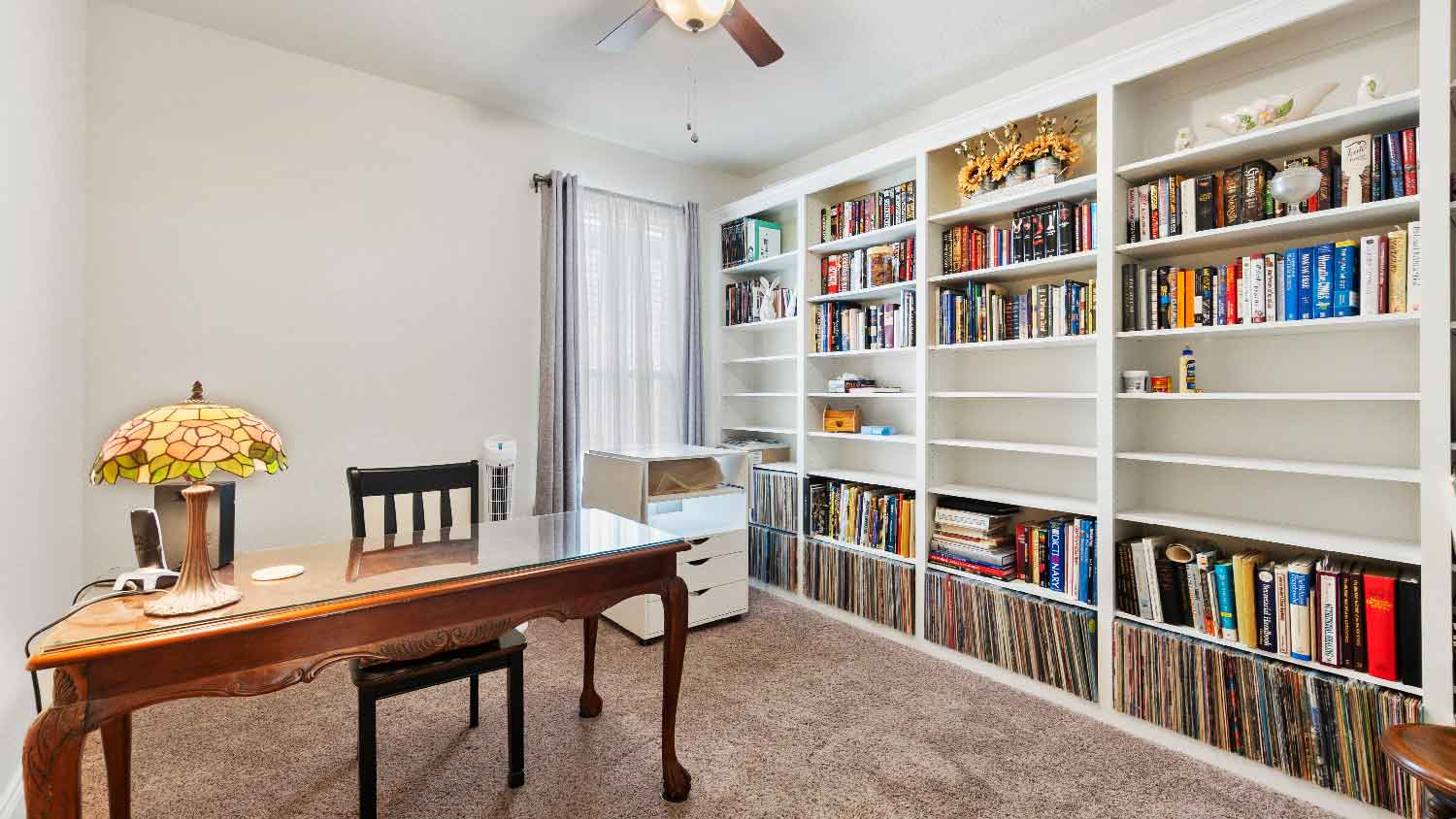
While you may have heard people use millwork and carpentry interchangeably, they aren’t the same. Millwork is a type of carpentry, which means that carpentry isn’t always millwork. You can tell millwork apart from other types of carpentry because it’s manufactured at a mill. Notably, casework is also confused with millwork. Casework is different because it refers to boxes like cabinets and bookshelves.

The Gibson, AR homeowners’ guide to woodworking services

From average costs to expert advice, get all the answers you need to get your job done.