



Top-rated structural engineers.

Get matched with top structural engineers in Bono, AR

Enter your zip and get matched with up to 5 pros

Need a pro for your structural engineering project in Bono, AR?

Select your specific project to find the pro for you.

Find Structural engineers in Bono

Avatar for Hall Engineering, Ltd.
Hall Engineering, Ltd.
4.6(
167
)

Serving Bono, AR and surrounding areas

In business since 1999

Credit card accepted

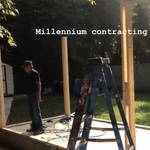
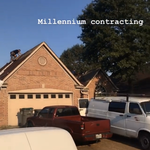
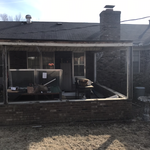
"The structural engineer I hired has been very quick tonrespind and provides nothing but what you'd expect from a professional. Easy to work with and knowledgeable, and very to the point. Thank you home advisor. You saved me on this one"
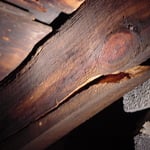
Joist Crack
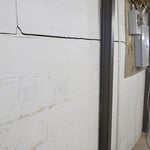
Foundation Wall Cracks
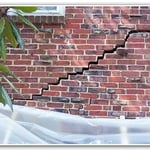
Brick Cracks
Slab Cracks
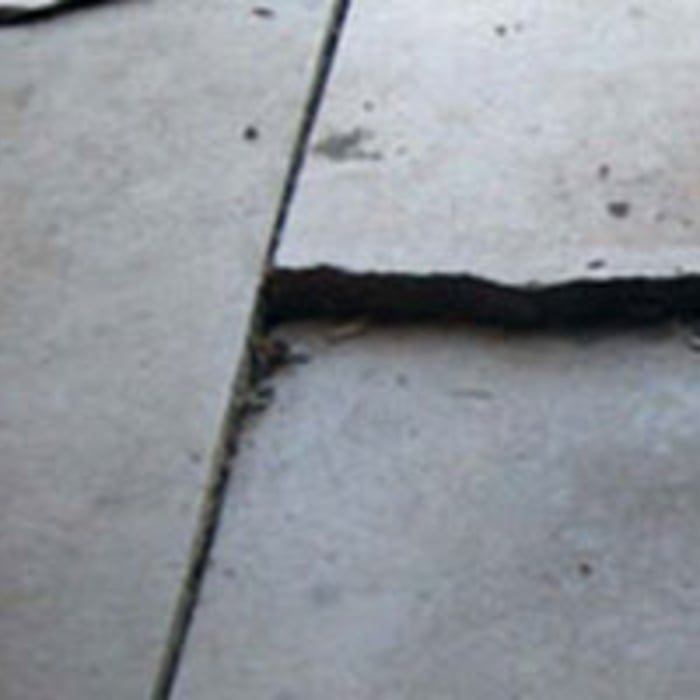
Slab Cracks

+1

Response time11 hrs
Recommended by91%of homeowners
Structural Engineering questions, answered by experts

You should pick steel for your new support beam for a few reasons. While steel is more expensive than other materials, such as laminated veneer lumber or glulam, it offers the following benefits:

  • Fire-resistant

  • Unaffected by pests

  • Longer-lasting

  • Stronger against water damage (when galvanized against rust)

Costs depend on material choices, labor, and the extent of structural modifications.

Failure to compact the soil during construction is the most common cause of leaning retaining walls. In addition, poor drainage can lead to excessive water pressure behind a retaining wall, pushing against it until it begins to move forward away from the soil it is holding back.

Water can seep into porous materials like wood beams, floor joists, and roof rafters within minutes, but they’ll need to see prolonged exposure before you have structural damage. Mold can start growing within 24 hours, and mold can eat away at the structural components over time. Wood rot is more of a concern, though. Wet and dry rot are fungal infections that set in in moist conditions and rapidly deteriorate wood, causing major structural damage within just a few months in some cases.

The depth of any foundation style depends on your climate and how deep the frost line is, as building code requires that the footers of a foundation—which are built into a monolithic slab—sit at least a foot below the frost line. At the southern tip of Florida, for example, a monolithic slab foundation would only need to sit 12 inches under the soil at the widest parts. On some parts of the Canadian border, the frost line is 100 inches, which would mean a minimum of 112 inches, which is prohibitively deep for a monolithic slab.

The Bono, AR homeowners’ guide to structural engineering services

From average costs to expert advice, get all the answers you need to get your job done.

What do you need done? We’ll find top pros.
  • 🌱 "Mow a small front yard"
  • 🛠 "Fix a leaking pipe under the sink"
  • 🏠 "Repair shingles on an asphalt roof"