


Top-rated structural engineers.

Get matched with top structural engineers in Tyler, AL

Enter your zip and get matched with up to 5 pros

Need a pro for your structural engineering project in Tyler, AL?

Select your specific project to find the pro for you.

Find Structural engineers in Tyler

Avatar for Foundation Repairs & Home Improvements Inc
Foundation Repairs & Home Improvements Inc
4.6(
63
)

Serving Tyler, AL and surrounding areas

In business since 1972

Free estimates

Credit card accepted

"This company is owned and run by "old school" professional people who do what they say they will do. Everyone from the office staff to the crew that did the work to the owner Greg McBride were wonderful to work with. I wish I had know about them 4 years ago and I would have used them for everything in and around my home. I trust them and will use them in the future."
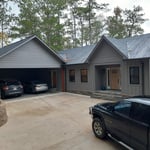
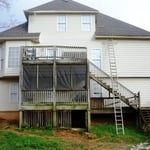
Before
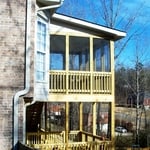
After
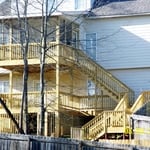
After
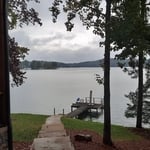
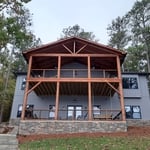
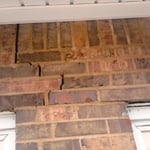
Additional Photos
Additional Photos

+20

Recommended by91%of homeowners
Structural Engineering questions, answered by experts

Yes, ceiling joists are typically load-bearing. However, their primary function is to support the weight of the ceiling and loads applied to it, like lighting fixtures and ceiling fans. They can also help support the roof, especially if they’re part of truss systems. Remember, the load-bearing capacity of ceiling joists depends on the material, size, and space between them. 

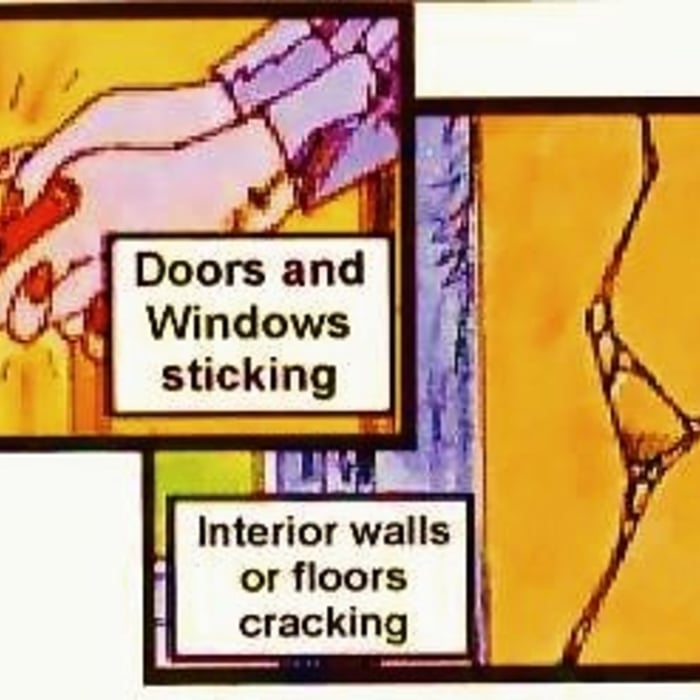
Structural engineers typically conduct inspections during a home sale or renovation, looking for signs of structural damage in various structures throughout the building, such as load-bearing walls, joists, beams, roofing trusses, foundations, and chimneys. Some of the warning signs that structural engineers check for include:

  • Dry rot

  • Infestation

  • Shifting or cracking foundations

  • Erosion

  • Water damage

  • Sagging, shifting, or damaged walls, ceilings, or roofing support

The depth of any foundation style depends on your climate and how deep the frost line is, as building code requires that the footers of a foundation—which are built into a monolithic slab—sit at least a foot below the frost line. At the southern tip of Florida, for example, a monolithic slab foundation would only need to sit 12 inches under the soil at the widest parts. On some parts of the Canadian border, the frost line is 100 inches, which would mean a minimum of 112 inches, which is prohibitively deep for a monolithic slab.

No, it’s not legal for unlicensed individuals to conduct structural calculations for buildings or building repairs. Not only do licensing requirements prevent DIYers from tackling this project, but mistakes can also be extremely dangerous and put your property and anyone inside or near it at risk of severe injury or even death. You should always hire a licensed and certified local structural engineer to make structural calculations.

The standard thickness for an LVL beam is between 1.75 inches and 7 inches. However, you can order LVL beams in non-standard sizes as well. When you work with a contractor, they can source beams that are the appropriate size for your project for you after assessing your blueprints.

The Tyler, AL homeowners’ guide to structural engineering services

From average costs to expert advice, get all the answers you need to get your job done.

What do you need done? We’ll find top pros.
  • 🌱 "Mow a small front yard"
  • 🛠 "Fix a leaking pipe under the sink"
  • 🏠 "Repair shingles on an asphalt roof"