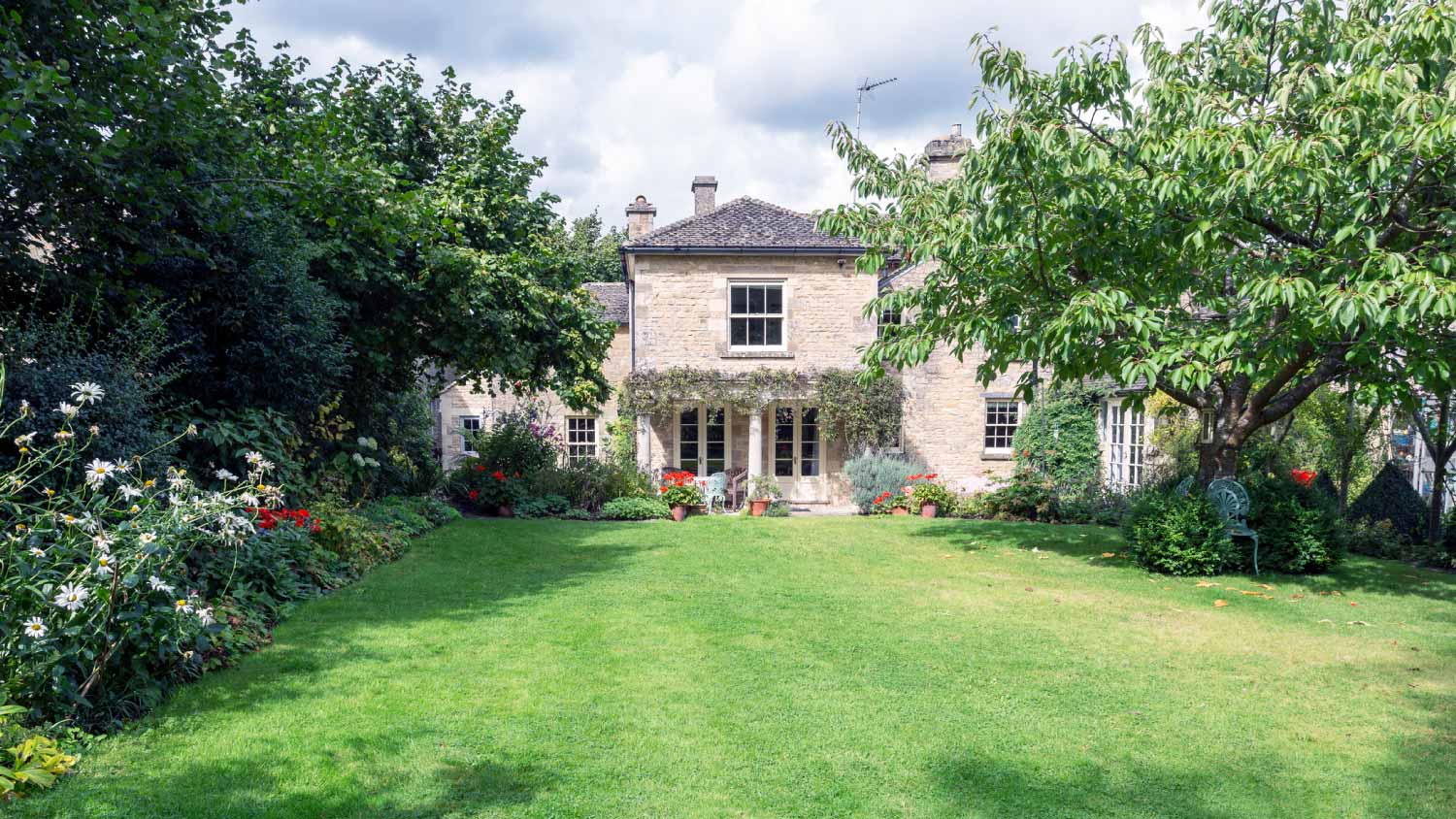
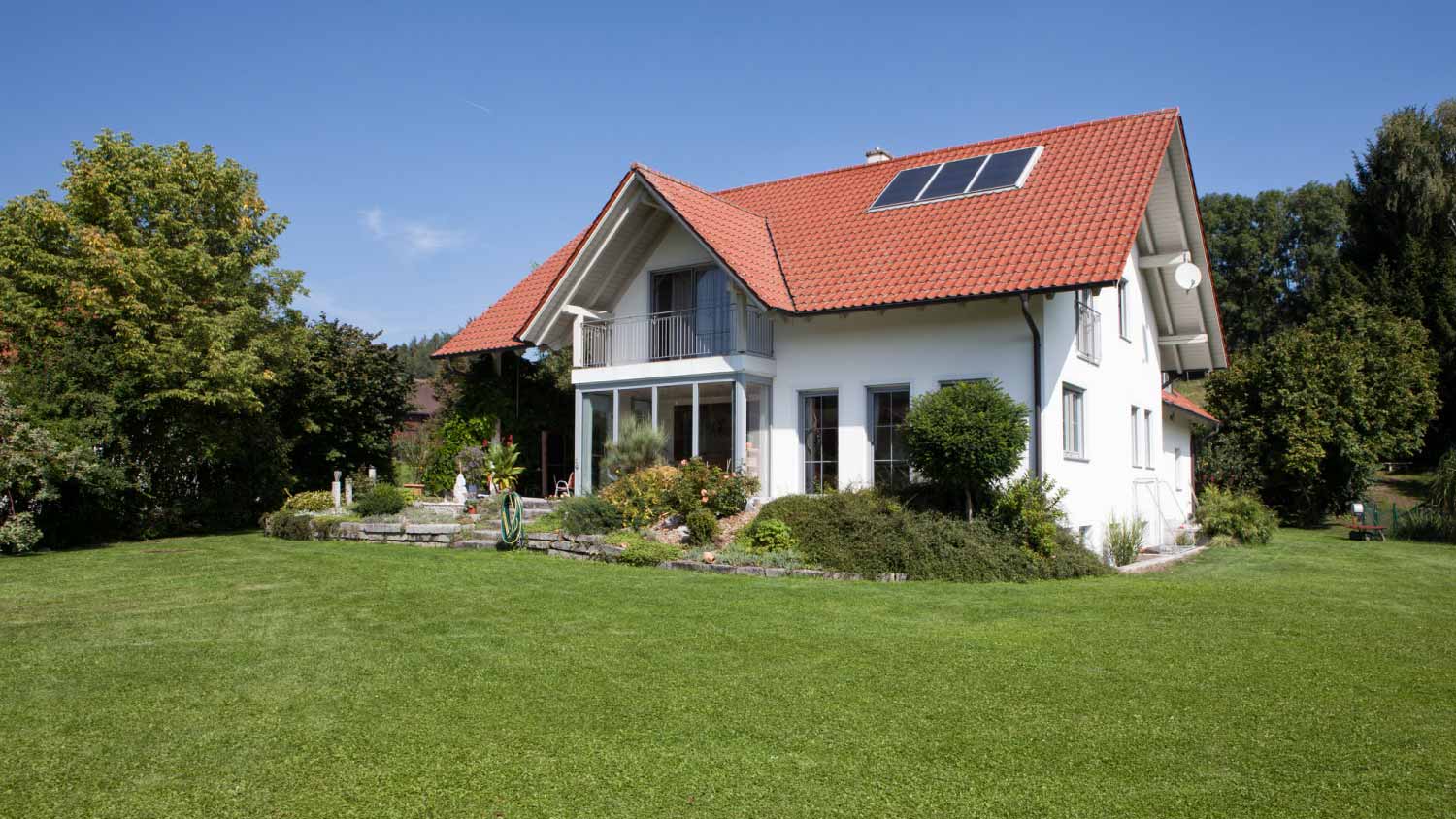
Asbestos is commonly found in certain older homes, depending on the time period in which they were built. Asbestos use in home construction began in the 1920s and peaked after World War II before being limited by legislation in the ’70s, so a house constructed in 1880 is unlikely to contain asbestos, while one built in 1950 is much more likely to. Research a home’s history to determine the time period when it was built and any renovations made since.
Asbestos was most commonly produced and integrated into building products from the 1920s to the late 1980s. In reality, asbestos use should have ceased much sooner because asbestos was linked to cancer in studies produced as early as the 1950s. You can even extend that number past the 1980s due to stockpiled materials and because some countries treat asbestos use differently. It may also be found more in commercial applications than residential.
Asbestos can be found in many building materials, especially if the materials were installed more than 20 years ago.
Asbestos-containing materials (ACM) can include:
Acoustic ceiling tiles
Furnace insulation
Home appliances
Fire-retardant clothing
Cement pipe
Pipe insulation
Wall and ceiling insulation
Vehicle brake pads
Vinyl flooring
Sprayed acoustic ceilings
Stove insulation
Patching compounds
Textured paints
Roofing shingles
Siding
It can be safe to live in a house with asbestos as long as the asbestos-containing materials are intact, in good condition, and not disturbed. Asbestos becomes dangerous only when its fibers are released into the air, which happens if the material is damaged, crumbling, or disturbed during renovation work. If you suspect asbestos is present, do not disturb it. Instead of removal, materials in good condition can sometimes be encapsulated. It is recommended to have regular professional inspections to monitor the condition of the asbestos and prevent health risks from potential exposure.
The Environmental Protection Agency (EPA) banned the use of asbestos pipe insulation in certain applications in 1975. It released further bans in 1989 and 2019. While asbestos pipe insulation was common from the 1930s to 1970s, its use fell off after the 1970s due to public concern and the EPA's actions.
The Tuscumbia, AL homeowners’ guide to percolation testing services
From average costs to expert advice, get all the answers you need to get your job done.
Most building projects and septic installations require soil testing to ensure proper drainage. Learn how much a perc test costs and what affects costs.
A perc test for septic analyzes the absorption rate of the soil where a tank is going to be installed. Learn more about the test, cost, and passing grades.

 4.3
 76