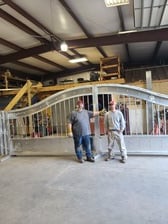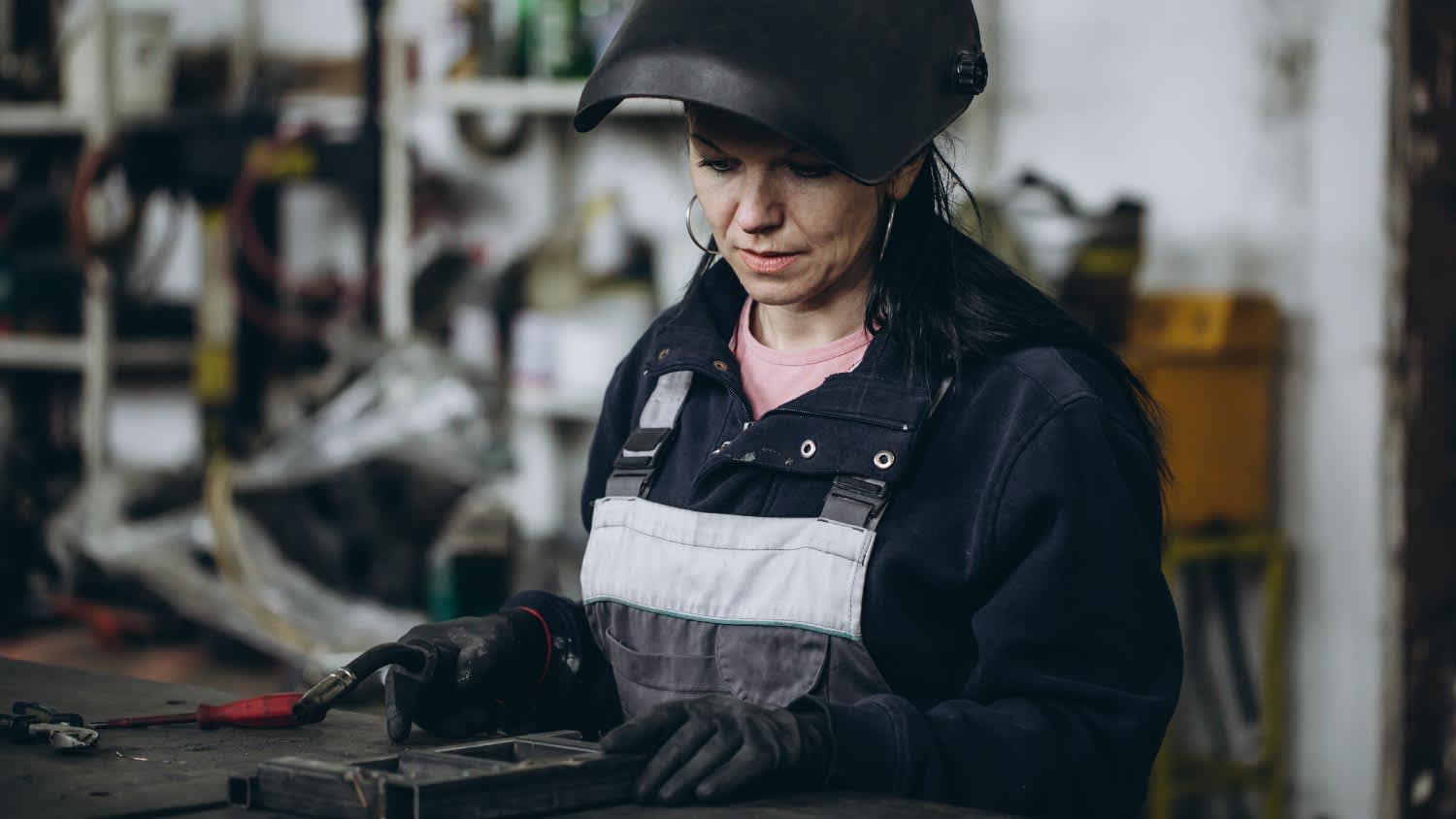






Top-rated welders.

Best welders near Hayneville, AL

Enter your zip and get matched with up to 5 pros

Need a pro for your welding project in Hayneville, AL?

Select your specific project to find the pro for you.

Top-Rated Welders in Hayneville - Updated Nov 2026

Avatar for Johnson Welding
Johnson Welding
5.0(
1
)
Metal Structure or Object - Create CustomMetal Structure or Object - Weld or CutSteel Beams (Custom) - Fabricate

Serving Hayneville, AL and surrounding areas

In business since 2023

Free estimates

Offers commercial services

"They were very punctual and worked nonstop until made surejob was completed ahead of schedule.They also put the customer wants and needs first and made sure I was happy with the finished product. I definitely will be using these guys on all my projects."
Response time11 hrs
Recommended by100%of homeowners
...
Showing 1-10 of 58
Welding FAQs, answered by experts

The cost to weld aluminum averages about $14 to $22 per pound. The type of metal factors into the overall cost of any welding project due to the cost of the materials and the expertise required to work with it. Some of the most common metals used by welders include:

  • Magnesium alloy: $7–$16 per pound

  • Low-carbon steel: $11–$12 per pound

  • Stainless steel: $13–$15 per pound

  • Copper/brass: $24–$29 per pound

  • Cast iron: $38–$79 per pound

  • Titanium: $60–$85 per pound

Welding is the process of using extreme heat—and, sometimes, pressure—to attach two pieces of metal. In contrast, metal fabrication is a more involved process that can include welding, sheet metal work, bending, and other forms of metal manipulation. Metal fabrication is a large-scale project that may or may not involve welding, while welding is more often a step in larger fabrication projects.

You should not do your own welding unless you have the proper training and experience. Most home electrical systems can only handle MIG welding, which creates weaker bonds than TIG welding and won’t work on certain metals or metal thicknesses. Both welding forms usually require the use of shielding gas, which can be dangerous to store at home. Additionally, welding machines create temperatures of over 3,000 degrees, and the sparks can blind you if you don’t have the proper equipment. As such, it’s usually better to hire a professional welder for your welding projects.

Cutting round ductwork requires precision and the right tools. A duct cutter, specifically designed for circular ducts, is ideal. First, mark the cutting line on the duct using a measuring tape and pencil. Then, position the duct cutter's blade on the marked line. Apply steady pressure, rotating the cutter around the duct. The sharp blade creates a clean, precise cut. Alternatively, a reciprocating saw with a metal-cutting blade can be used for larger round ducts. Ensure the duct is securely held in place while making the cut to prevent slips and maintain accuracy.

Yes, but you’ll need reliable steel-cutting tools and safety gear to get started. Shipping containers are typically around ¾ inch thick, so it’s entirely possible to cut through them, but experience and the right equipment are very important. When possible, try to get a container as close to the size you want it as possible.

The Hayneville, AL homeowners’ guide to welding services

From average costs to expert advice, get all the answers you need to get your job done.