Top-rated lead testing and removal specialists.

Best lead testing and removal specialists near Harvest, AL

Enter your zip and get matched with up to 5 pros

Need a pro for your lead testing and removal project in Harvest, AL?

Select your specific project to find the pro for you.

Top-Rated Lead testing and removal specialists in Harvest - Updated Nov 2026

Avatar for Rocket City Remediation LLC
Rocket City Remediation LLC
5.0(
1
)
Toxic Lead - Testing

Serving Harvest, AL and surrounding areas

Approved

In business since 2021

Free estimates

Emergency services offered

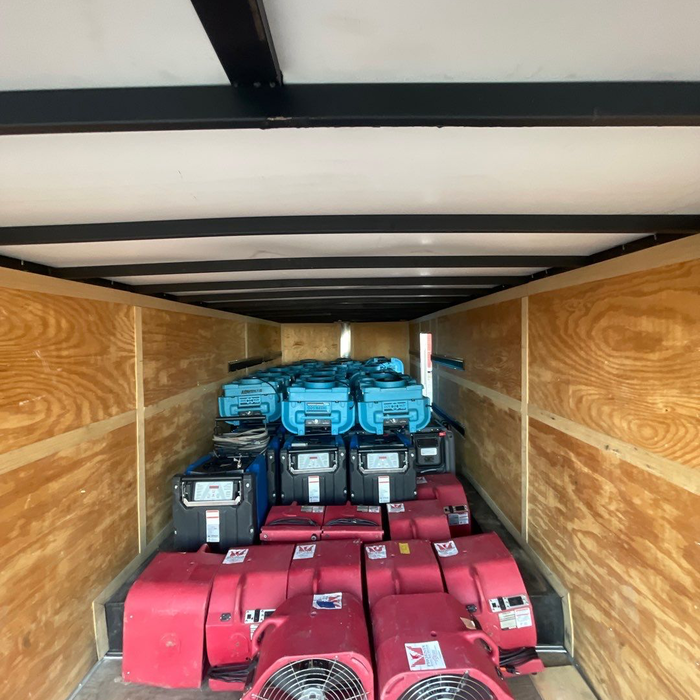
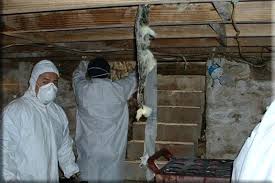
**MAKING YOUR HOME SAFE**\nWe're at your side providing expert guidance. \nMold causes a wide variety of health issues, and may be hiding inside walls, on cloth, or even within mattresses. It's important to have your home inspected for dangerous mold and have it removed as quickly as possible. When you need help making your home safe we are there to provide services for mold remediation, mold removal, AND disinfectant fogging. We will come in and find the mold living in your crawlspace. Once identified we clean the mold from any areas contaminated. Then we spray a mold barrier preventing growth in the future. Finally we seal your crawlspace leaving it looking brand new!\nContact us to discuss your Mold problem, we have a solution!\n\nCall Rocket City Remediation LLC today for your free estimate \n256 603 9766 \n4 stage mold remediation\nFull home airspace purification/fumigation\nEncapsulation\nVapor Barriers\nFrench drains\nDehumidifiers\nSump pumps\nBlown insulation\nMolded items and sheetrock removal\nWater diversion\nMold, asbestos, and lead testing available.

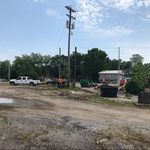
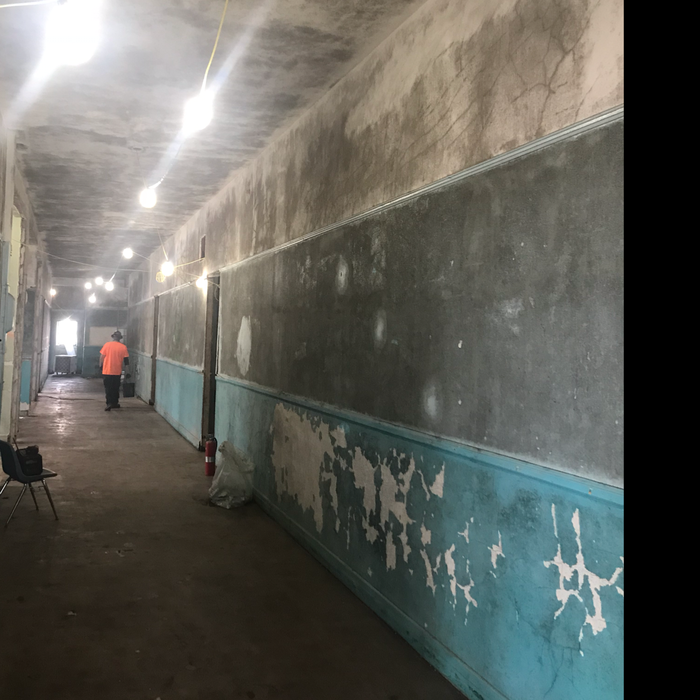
Additional Photos
Additional Photos
Additional Photos
6 neighbors recently requested a quote
Recommended by100%of homeowners
Lead Testing and Removal FAQs, answered by experts

According to the Environmental Protection Agency (EPA), hazardous waste is generally classified into four main categories:

1. Characteristic Wastes: These exhibit at least one of four hazardous traits: ignitability (flammable, like gasoline), corrosivity (can rust or decompose materials, like car batteries), reactivity (unstable and can explode, like aerosol cans), or toxicity (harmful when ingested, like lead-based paint).

2. Listed Wastes: These are specific wastes from manufacturing and industrial processes that the EPA has officially designated as hazardous. They include byproducts from processes that use solvents, pesticides, and other chemicals.

3. Universal Wastes: These are commonly generated hazardous items that are subject to streamlined regulations. Examples include batteries, pesticides, mercury-containing equipment (e.g., bulbs), and some lamps.

4. Mixed Wastes: This category includes waste that contains both hazardous and radioactive components, making it subject to regulation by both the EPA and the Nuclear Regulatory Commission.

Lead toxicity comes from inhaling lead or consuming it. Before the 1980s, when the government banned lead from consumer use, it could be found in paint, plumbing, pipes, ceramics, and even gasoline. Lead paint is toxic for the same reason lead itself is toxic, which is why lead poisoning from paint presents the same as lead poisoning from water or food sources, with a slight increase in respiratory symptoms vs. digestive symptoms. Lead paint is most dangerous when it’s old and peeling, cracking, or otherwise disturbed. This increases the concentration in the air and, therefore, in breathable air. 

Services test for allergens, mold, VOCs, and carbon monoxide levels to ensure a healthy indoor environment.

If your house was built before 1978 and you’re noticing cracking or peeling paint, a lead paint inspection is a good idea. A lead paint inspection gives you accurate information about the presence, location, and condition of lead-based paint in your home. This information is essential for making informed decisions about lead paint removal to ensure your safety and health and that of your family. If your inspector finds lead, you’ll need to take steps to manage or remove the lead-based paint and comply with laws and regulations.

Several different measurements may be used to determine the amount of lead in water. The most common unit of measurement is micrograms per liter (µg/L), which is the same as parts per billion. Another measurement is milligrams per liter (mg/L), which is the same as parts per million.

The Harvest, AL homeowners’ guide to lead testing and removal services

From average costs to expert advice, get all the answers you need to get your job done.