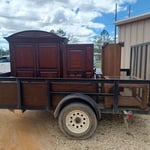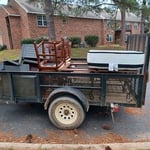

Top-rated haulers.

Best haulers near Georgetown, AL

Enter your zip and get matched with up to 5 pros

TRUSTED BY GEORGETOWN, AL HOMEOWNERS

  • Average homeowner rating star icon5
    Average homeowner rating
  • Verified reviews icon14
    Verified hauling services reviews

Top-Rated Haulers in Georgetown - Updated Nov 2026

Allsouth Moving T3
New to Angi
Waste, Junk, Building Materials and Debris - Remove and Haul

Serving Georgetown, AL and surrounding areas

Approved

In business since 2012

Free estimates

Credit card accepted

We are a locally owned and operated company that values honesty and integrity and treats your home as if it were our own. With over 15 years of industry experience, we offer a variety of Moving and Waste Removal services that are customizable to each individual project. You will find us to be competitively priced, paying close attention to the details of each and every project that we are involved with. We look forward to building lasting relationships and guarantee your satisfaction!

...
Showing 1-10 of 70
Hauling FAQs, answered by experts

If you have a large number of leftover roots, shrub branches, rocks, and soil to remove from your stump removal project, you may need to call a professional junk removal service. A small truckload of junk removal costs between $75 and $125 to haul away. You may also have a free composting center in your area where you can haul the materials on your own.

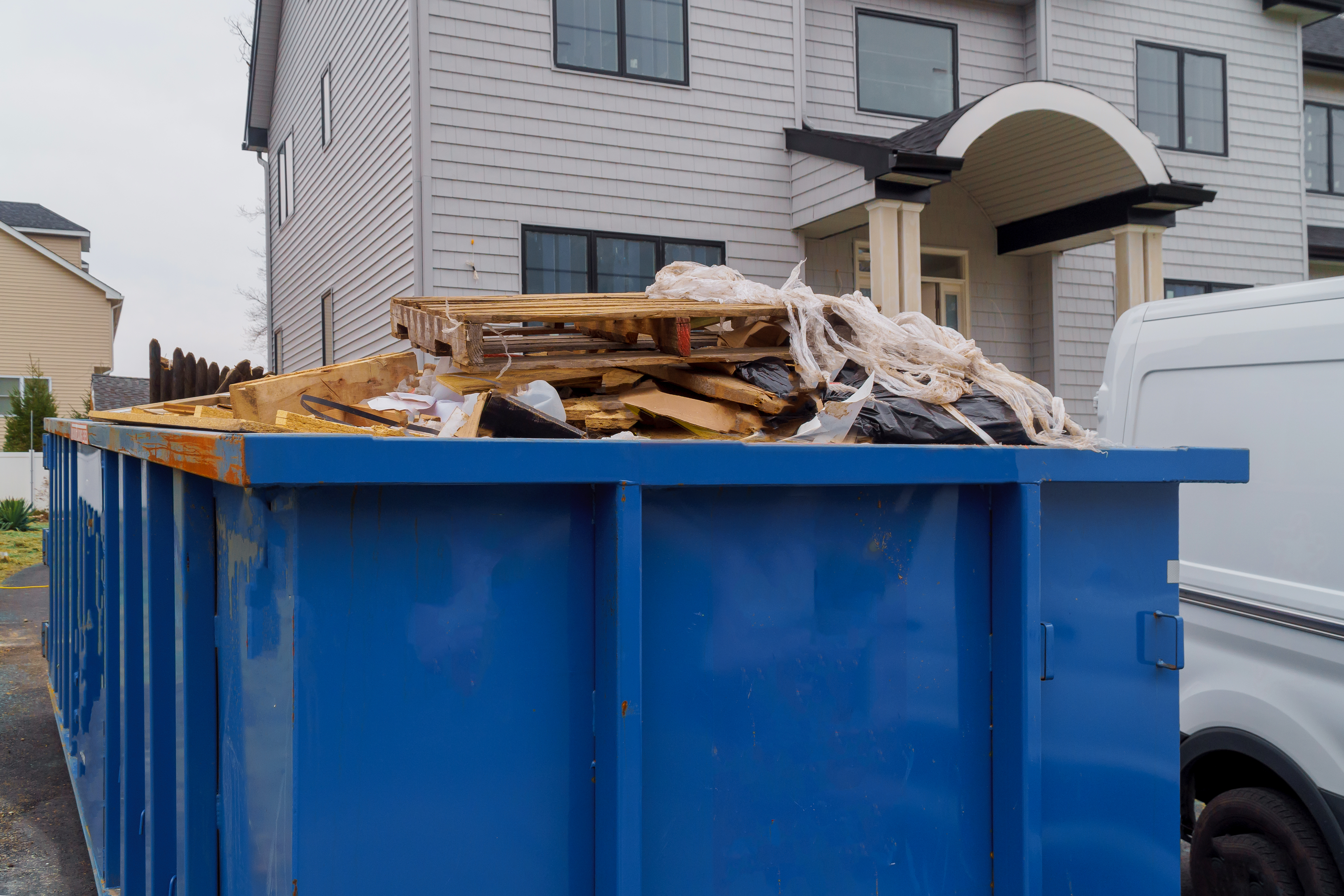
When deciding between renting a dumpster and hiring a junk removal service, the key factors are the type of project, the items you're discarding, and your timeline.

  • Rent a dumpster for longer projects like remodeling or construction. It offers flexibility, allowing you to dispose of debris like broken tile, drywall, fixtures, and yard waste over several days. You will be responsible for loading the dumpster yourself.

  • Hire a junk removal service for quick, hands-free disposal. This is ideal if you want to get rid of a pile of junk quickly, or if you have heavy or bulky items like furniture and boxes that you don't want to lift yourself. The professionals handle all the labor, often clearing everything out within a few hours.

Damaged slabs, renovation projects, or improper installation often require sawing and removal.

While a rented dumpster can handle a wide variety of materials, there are significant restrictions on what is allowed. Generally, you can dispose of most non-hazardous household junk, yard waste, and construction debris.

Accepted items typically include:

  • Furniture, carpets, old linens, and toys

  • Wood and yard debris

  • Small appliances and excess trash

  • Renovation waste like old finishes, building debris, and roofing materials (unless they contain lead paint or asbestos)

However, you cannot put toxic, flammable, or hazardous materials in a dumpster. Prohibited items almost always include:

  • Paint, gasoline, oil, and other fuels

  • Household cleaners and other chemicals

  • Electronics, batteries, and tires

  • Refrigerators, hot water tanks, and medical waste

Since regulations can vary by location and company, it is essential to check with your dumpster rental provider for their specific list of accepted and prohibited items before you begin.

While a biohazard cleanup sounds like a scary process, knowing what to expect can help ease your concerns and set you up for success. It’s good to note that more than one professional might be needed depending on your situation, but that will be determined during the assessment. What you can expect during a home biohazard cleanup is the following:

  • Assessment: The first step in this process is for a biohazard cleanup professional to assess the damage. They create a report that includes the biohazard safety level, the needed damage cleanup, and the time it should take to complete the project. 

  • Setup: The cleanup professional prepares the site to prevent cross-contamination and reduce toxicity risk. This process can include tarping and creating decontamination zones. 

  • Removal of surface contamination: Any contaminated materials are removed from the area, starting with large materials followed by small ones. The professional can assess any floor-related damage once everything is removed from the site. 

  • Salvaging items: The biohazard cleanup professionals assess which items can be saved and which are contaminated beyond the point of saving. Those deemed unsafe will be disposed of immediately. 

  • Waste disposal: The next step is carefully disposing of the hazardous waste. Your professional will place the contaminated items in specific containers to keep the contamination from spreading.   

  • Disinfection: The house will be disinfected and odor-neutralized. Even more minor details, like light switches and bulbs, will be disinfected so that they do not recontaminate the area in the future. 

  • Restoration: Once the decontamination is complete, the last step is to restore the home. This includes repairing the damage to flooring, walls, or even the home's foundation.  

The Georgetown, AL homeowners’ guide to hauling services

From average costs to expert advice, get all the answers you need to get your job done.