


Top-rated radon detection and reduction specialists.

Get matched with top radon detection and reduction specialists in Geneva, AL

Enter your zip and get matched with up to 5 pros

Need a pro for your radon detection and reduction project in Geneva, AL?

Select your specific project to find the pro for you.

Find Radon detection and reduction specialists in Geneva

Avatar for McLean Solutions
McLean Solutions
4.4(
27
)
Radon Gas - AbatementRadon Gas - Testing

Serving Geneva, AL and surrounding areas

In business since 2015

Free estimates

Emergency services offered

"He did a great job explaining what was going on with the moisture under our house. He took pictures to show the before and after. He was on time and very responsive in the follow up. Thank you and would definitely recommend."
Lawn Maintenance
Adding a new gate
Before photo taken
Bats in attic
Lawn Maintenance

+2

Response time1 day
Response rate92%
Recommended by88%of homeowners

Radon Detection and Reduction questions, answered by experts

Radon enters your home when warm air begins to rise and exits through the roof, creating a vacuum that pulls cooler air from under the foundation. Part of that air is radon, which is an invisible, odorless gas that develops naturally when radioactive particles are deep within the ground. Those particles usually come from decaying matter in soil and rocks.

While DIY testing is possible, abatement generally requires professional installation to ensure efficacy and meet safety standards.

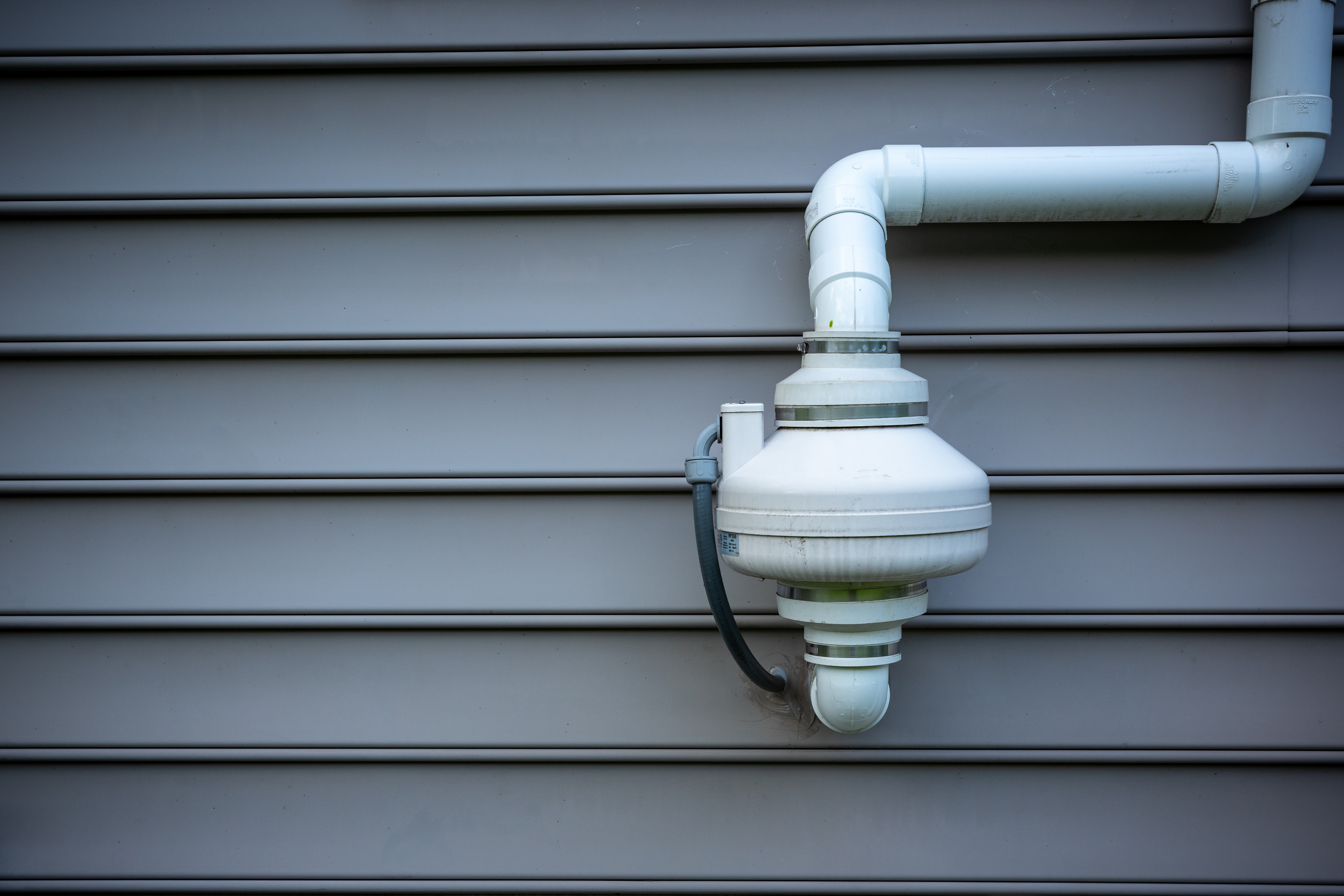
Your radon fan needs to operate 24/7 to be effective. The only time the fan isn't operating is during its replacement. Radon levels in the home can increase within hours if the fan stops working or something obstructs the stack vent. Fortunately, radon systems require no downtime maintenance between fan changes.

You'll need to test your home for radon after installing the mitigation system, then again every two years. If radon remains elevated, contact a licensed radon professional, either the contractor who installed the system or a different one, and have them evaluate the system. They may need to make some changes to improve its effectiveness and performance.

A homeowner can install a radon mitigation system on their own. But it’s a challenging DIY that requires a lot of knowledge about radon mitigation as well as familiarity with local regulations. You do not want to risk an improper installation that leaves the system unable to detect radon or gives it a shortened life span. Relying on a professional is the surest way to guarantee a successful installation.

The Geneva, AL homeowners’ guide to radon detection and reduction services

From average costs to expert advice, get all the answers you need to get your job done.