



Top-rated water heater pros.

Get matched with top water heater pros in Elberta, AL

Enter your zip and get matched with up to 5 pros

Need a pro for your water heater service project in Elberta, AL?

Select your specific project to find the pro for you.

Find Water heater pros in Elberta

Avatar for Clean Team Plumbing AL LLC
Clean Team Plumbing AL LLC
4.3(
99
)
Water Heater - Install or ReplaceTankless Water Heater - InstallTankless Water Heater - Install - For Business+1 more

Serving Elberta, AL and surrounding areas

In business since 2025

Free estimates

Emergency services offered

"In March 2020, Clean Team Plumbing repiped our home and installed a tankless water heater. Brad was professional and honest. Our service technicians Artis and Lazurus were great and their workmanship was beyond reproach. All my questions and concerns were answered timely and professionally. The drywall team was top notch. Thank you Clean Team Plumbing for the great job."
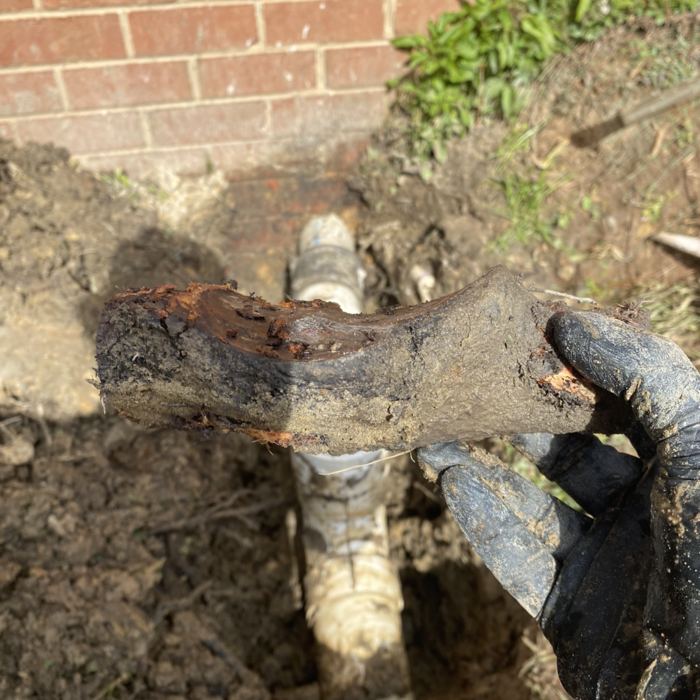
Additional Photos
Meet Brad your Master Plumber and Owner of Clean Team Plumbing,
14 neighbors recently requested a quote
Recommended by90%of homeowners
Avatar for EZ Flow Plumbing
EZ Flow Plumbing
4.5(
267
)
Tankless Water Heater - InstallTankless Water Heater - RepairWater Heater - Install or Replace+1 more

Serving Elberta, AL and surrounding areas

In business since 2012

Free estimates

Emergency services offered

"Brian from EZ Flow responded my requests promptly, committed to the schedule and plan. The installation of the water heater was smooth and quick. Wish the gas line was installed closer to the wall as Brian originally planned so as to leave me more space."
Response time10 mins
Response rate96%
Recommended by96%of homeowners
Showing 1-10 of 47
Water Heaters questions, answered by experts
Your water heater's age can affect your homeowners' insurance policy. Many policies will ask how old the heater is when you first apply for a policy—and they may make you replace a model that's over 10 years old. 
Even if your policy permits you to have an older heater, it may significantly reduce the amount of protection available. If an older water heater suddenly leaks and causes damage to parts of your home, your policy may not cover it.
While a water heater explosion is rare, it is a serious danger. Be aware of these critical warning signs:

  • Sulfur or Rotten Egg Smell: This is a major red flag, especially for gas water heaters. It can indicate a gas leak, which could ignite and cause an explosion.

  • Leaking Pressure Valve: If the temperature and pressure (T&P) relief valve is leaking, it may not be able to properly regulate internal pressure, creating a risk of bursting.

  • Shaking or Rumbling: Loud rumbling or shaking from the tank can be a sign of extreme pressure buildup.

  • Excessive Heat: If the exterior of the water heater feels unusually hot to the touch, the unit may be overheating dangerously.

  • Rust-Colored Water: This can be a symptom of severe internal corrosion that compromises the tank's integrity.

If you notice any of these signs, especially a gas smell, you must act immediately. Shut off the gas supply to the water heater and call a professional plumber right away to prevent a potential disaster.

Often, the first issue you might encounter is a lack or loss of power—this could be caused by a tripped switch or a failed heating element. If your hot water is not producing enough power and its size is not the issue, you might need to replace one of its heating elements. A leaking water heater could be caused by tank erosion.

Every type of water heater has its advantages and disadvantages. Understanding those can help you decide the best type for your situation and budget. 

Pros

  • Safer than gas or propane

  • Doesn’t require extensive venting systems

  • Lower upfront costs

  • Simpler to operate

  • No pilot light

  • Easier installation

  • More efficient heating than gas models

  • Available as point-of-use (POU) and whole-house units

Cons

  • Slower to heat water

  • Longer recovery time

  • Possibly higher operating costs

  • Doesn’t work during a power outage

  • Costs can increase without a 240-volt connection

The standard copper wire gauge to use with any 30-amp circuit is a 10-gauge wire. The National Electric Code specifies a 10-gauge wire with appliances like water heaters running on 30 amps. If you try to use a smaller gauge wire, such as a 12 gauge, with a 30-amp breaker, you run the risk of the wire overheating and melting or causing a fire. Because of the safety hazards, the gauge of the wire is not an area to try to cut costs when connecting a 30-amp breaker to a water heater.

The Elberta, AL homeowners’ guide to water heater services

From average costs to expert advice, get all the answers you need to get your job done.