





Top-rated welders.

Get matched with top welders in Waynesboro, MS

Enter your zip and get matched with up to 5 pros

Need a pro for your welding project in Waynesboro, MS?

Select your specific project to find the pro for you.

Find Welders in Waynesboro

Avatar for National Contracting
National Contracting
New to Angi

Serving Waynesboro, MS and surrounding areas

Approved

Emergency services offered

Offers commercial services

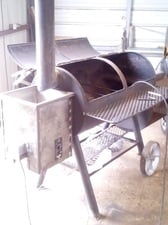
We are a small business with the goals of becoming a leader in residential and commercial fabrication projects in the Gulfport and sourrounding areas, no job to big or small. We also offer some carpentry jobs as well. We offer military discounts and senior discounts. Give us a call , we offer free estimates on all of our work. Thank you.

Showing 1-10 of 47
Welding questions, answered by experts

Welders use a variety of methods in their trade. Different types of welding are better suited for different purposes and contexts. For example, stick welding is a versatile form suitable for most metals and alloys. The most common types of welding include:

  • Stick welding: $100–$1,000

  • Metal Inert Gas (MIG) welding: $250 and up

  • Tungsten Inert Gas (TIG) welding: $250 and up

  • Gas welding: $150 and up

  • Forge welding: $15–$25 per hour

Your typical household tools will not cut a metal pipe. To cut a metal pipe, you’d need more specialized tools like a pipe cutter or circular saw. Do not attempt to use these tools without taking proper safety precautions and wearing safety gear. It’s usually safer to let a pro cut a metal pipe, especially if you’re not confident in your skills with a heavy-duty saw.

Yes, you can use a saw to cut metal pipes. The best saw to use is a reciprocating saw, but even a fine-tooth hacksaw can get the job done. No matter which saw you use to cut metal pipes, wear protective gear, like work gloves, safety goggles, and ear plugs. Apply a firm, steady pressure to the tool, and always ensure the pipes are secured so they don't move while you make the cuts.

Cutting rectangular ductwork requires careful measurements and the right technique. Use a measuring tape and pencil to mark the cutting lines accurately. Tin snips are excellent for straight cuts on smaller ducts. For more extensive or thicker rectangular ducts, a reciprocating saw with a metal-cutting blade is effective. 

Ensure the duct is well-supported and secure while cutting to prevent wobbling and maintain precision. After cutting, use a metal file to smooth any sharp edges, ensuring safety during installation. 

Yes, you can cut up a box spring., but you’ll need to do so in layers. You can clear the fabric and fluff away to reveal the springs before removing them as well.

The Waynesboro, MS homeowners’ guide to welding services

From average costs to expert advice, get all the answers you need to get your job done.